Beyond postpartum depression: The troubling truth about Lindsay Clancy’s prescriptions
The story of Lindsay Clancy and the alleged murder of her three children is undeniably heartbreaking. While the jury is still out on what her fate will be, BlazeTV host Allie Beth Stuckey believes it’s important to recognize that she was managing her postpartum depression with 13 different medications prescribed by six different doctors.One of the drugs Clancy was on was an SSRI, which adjusts a person’s level of serotonin.In an interview Stuckey conducted last year with board certified psychiatrist Josef Witt-Doerring, he argued that “one of the problems with all of these drugs, all of these so-called antidepressants, SSRIs, is that studies show that the premise they are based on is actually unsupported by evidence.”“There was a major 2022 review in molecular psychiatry that found no solid evidence that people with depression have lower serotonin levels. And this doctor that I had on my show points out that there is still no blood test. There’s no brain scan that can objectively diagnose depression,” Stuckey explains, noting that it’s simply a "symptom checklist."“And so, if you are putting someone on something that is affecting their serotonin, which is an important hormone in mood regulation, but that was never the problem in the first place, you’re just giving them the side effects. You’re just giving them the cons and none of the pros from emotional regulation,” she continues.While many people claim that SSRIs have changed their lives, Stuckey points out that it’s possible that having your “emotional response” blunted and your “spectrum of emotions” shortened could bring you back “from the brink of dark depression.”“It doesn’t treat their depression. It doesn’t ever get to the underlying cause, but it is possible that an SSRI can have that effect, but it can also have all of these other effects, especially if the root cause is never addressed,” she explains.And psychiatric medication is increasingly common, with 17% of Americans taking them.“Millions unknowingly are at risk of drug-induced brain damage while being told that their drugs are safe. According to this doctor, Witt-Doerring, patients who stop psychiatric drugs even gradually can suffer protracted withdrawal that feels like permanent brain damage,” Stuckey says.“It can cause neurotoxicity. It can also trigger a condition called tardive dysphoria that includes apathy, dissociation, chronic fatigue, agitation. He notes that multiple people have taken their life because the symptoms from this can be so extreme, it can drive people to suicide,” she continues.Another doctor Stuckey interviewed, Dr. Adam Urato, “warned of the many dangers of being prescribed SSRIs, specifically during pregnancy, but it also applies to that postpartum period.”Urato, chief of maternal fetal medicine at MetroWest Medical Center, “has called for stronger FDA warnings for SSRIs, especially for pregnant mothers.”While women are told that SSRIs won’t affect the baby, cause complications, or affect the breast milk, Urato has claimed that is “not accurate.”“He has highlighted how SSRIs are actually pushed on mothers both before pregnancy, during pregnancy, and after, even though they can alter things like your own brain function, but also fetal brain development,” Stuckey explains.“And so, all of this plays into the defense’s argument that says that, ‘Look, this was beyond her control. Someone dropped the ball here. It wasn’t her. She was trying to get the help that she wanted, ’” she says. “That’s what they’re arguing.”Want more from Allie Beth Stuckey?To enjoy more of Allie’s upbeat and in-depth coverage of culture, news, and theology from a Christian, conservative perspective, subscribe to BlazeTV — the largest multi-platform network of voices who love America, defend the Constitution, and live the American dream.
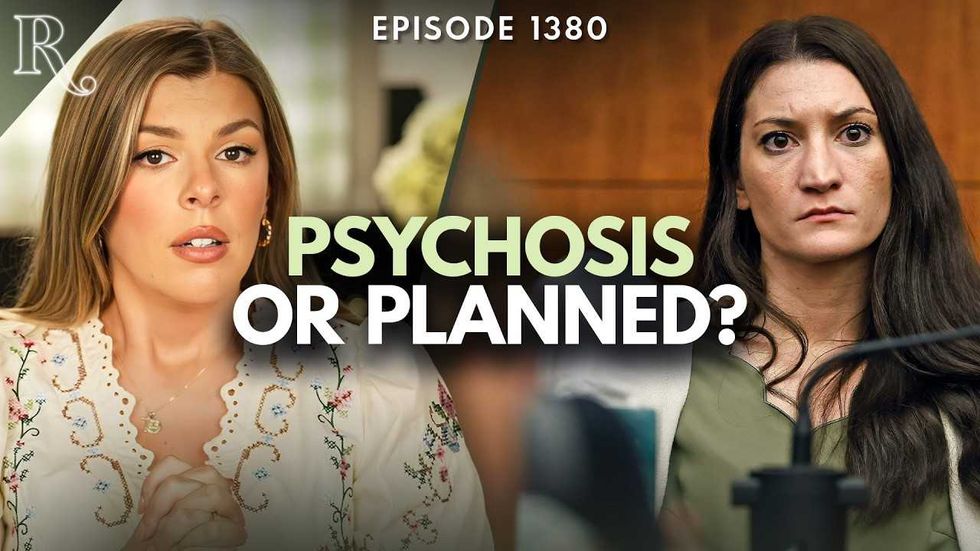
BlazeTV host Allie Beth Stuckey questions the efficacy and safety of SSRIs, citing experts who argue that the underlying premise of serotonin imbalance in depression is unsupported by evidence. Stuckey highlights potential dangers of psychiatric medications, including drug-induced brain damage, protracted withdrawal, and neurotoxicity. The discussion also points to concerns raised by Dr. Adam Urato regarding the risks of SSRIs during pregnancy and postpartum periods, suggesting these drugs may affect both maternal and fetal brain development.
- Allie Beth Stuckey discusses Lindsay Clancy’s case, noting she was on 13 different medications prescribed by six doctors for postpartum depression.
- Psychiatrist Josef Witt-Doerring challenges the scientific basis of SSRIs, stating studies do not support the serotonin imbalance theory for depression and that objective diagnostic tests are lacking.
- Stuckey points out that SSRIs might blunt emotional responses rather than treat the root cause of depression and can have significant side effects.
- Concerns are raised about widespread use of psychiatric medication, with 17% of Americans taking them, and the risk of drug-induced brain damage and severe withdrawal symptoms.
- Dr. Adam Urato warns of the dangers of SSRIs, particularly during pregnancy and postpartum, questioning claims that they are safe for mothers and babies and noting potential impacts on brain development.
- The defense in Lindsay Clancy’s case may argue that her actions were beyond her control due to her medication regimen.
Write a comment