The VFW has wandered off mission
Democrat lawmakers recently demanded that the Department of Veterans Affairs restore dedicated LGBTQ+ veteran care coordinators and identity-based programs, putting the fight over gender policy at the VA back in the spotlight. The VA has instead redesignated those positions simply as “care coordinators” serving all veterans and restricted the use of VA resources to promote gender ideology.As the VA moves away from identity-based programs, the Veterans of Foreign Wars organization has taken a different path.The VFW’s principles are broad enough to unite veterans across the political spectrum. Abortion and gender ideology do not.A veterans’ organization should support every veteran. That does not require endorsing every political or ideological position associated with a veteran’s identity. Yet this summer, the VFW again declared “Happy Pride Month” and celebrated veterans specifically on the basis of sexual orientation and “gender identity.”The VFW has a long and distinguished history. It traces its roots to veterans of the Spanish-American War and helped shape the modern federal veterans system. But in recent years, the organization has also embraced positions on abortion and gender policy that go well beyond its core mission.The VFW claims it has honored LGBTQ+ veterans during Pride Month since President Bill Clinton’s first proclamation in 1999. In 2019, then-National Commander B.J. Lawrence supported additional VA resources for LGBTQ+ veterans in congressional testimony.The shift is also visible on abortion. In 2020, the VFW argued that the VA should provide certain abortion-related care. In 2022, it testified in support of H.R. 345, legislation that would have required the VA to provide information and counseling about abortion to veterans facing unwanted pregnancies.On gender policy, the VFW has continued publishing Pride Month statements. One VFW leader learned how contentious that issue had become after criticizing Pride Month publicly.The organization’s advocacy deserves scrutiny because policy requests framed simply as “health care” can include deeply contested medical interventions. In past testimony, the VFW demanded expanded resources for transgender veterans. The debate over those treatments has intensified as critics point to the risks of puberty blockers and cross-sex hormones and irreversible surgical interventions.RELATED: The VFW’s political stunt backfired Robert Alexander/Getty ImagesDetransitioners have also brought malpractice claims, including one case that reportedly ended in a $3.5 million settlement. Whatever one thinks of the broader policy debate, these developments make it harder to treat every disputed intervention as politically neutral veterans' care.The VFW’s advocacy also now conflicts with the direction of federal policy. The VA has reinstated a ban on abortion and abortion counseling in its medical benefits package, while the Trump administration has issued executive orders directing federal agencies and the military to recognize biological sex.That does not mean the VFW should exclude gay or transgender veterans, or deny that they served honorably. It means the organization should distinguish between serving veterans and endorsing contested ideological programs in their name.The VFW’s own mission is to “advocate on behalf of all veterans.” Its core values include honoring military service, caring for veterans and their families, and respecting “the diversity of veteran opinions.” Those principles are broad enough to unite veterans across the political spectrum.Abortion and gender ideology do not. When the VFW takes sides in some of the country’s most divisive moral and political disputes, it risks alienating veterans it is supposed to represent.The better course is simpler: Fight for veterans’ benefits, health, dignity, and families. Leave woke social causes to the organizations created to fight those battles.Veterans need a VFW that puts veterans first.
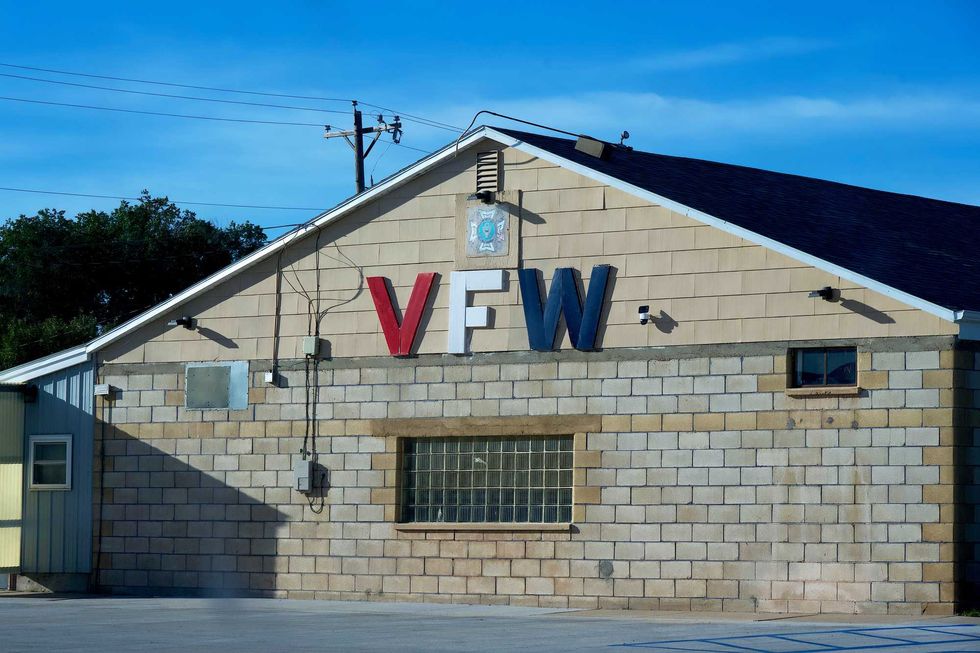
The Veterans of Foreign Wars (VFW) has faced criticism for adopting stances on LGBTQ+ issues and abortion that go beyond its original mission of advocating for all veterans. While the Department of Veterans Affairs moves towards a more inclusive, non-identity-based approach to veteran care, the VFW continues to engage in ideologically charged advocacy. The article suggests this risks alienating a significant portion of the veteran community and distracts from the organization’s primary goals.
- The VFW is criticized for embracing LGBTQ+ and abortion advocacy, diverging from its core mission.
- The Department of Veterans Affairs (VA) is moving away from identity-based programs towards inclusive care coordinators.
- The VFW’s past advocacy included supporting additional VA resources for LGBTQ+ veterans and arguing for VA provision of abortion-related care.
- Critics argue that stances on gender ideology and abortion are divisive and not part of the VFW’s broad mission to unite all veterans.
- The VFW’s current positions conflict with federal policy, which has reinstated a ban on abortion counseling and emphasizes biological sex.
- The article suggests the VFW should focus solely on veterans’ benefits and health, leaving social causes to other organizations.
Write a comment