The offended porridge modern fairy tale and transport choices
- What the story actually compares
- A hypothetical comparison using the story’s numbers
- Why the porridge changes the result
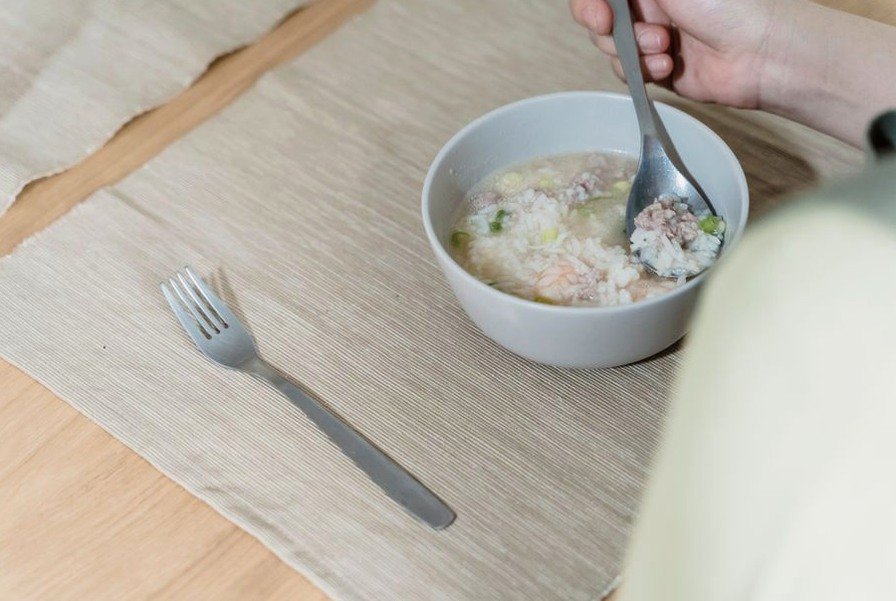
The offended porridge modern fairy tale works as a practical story about energy, movement, and choosing an activity that matches a child’s strength. Its transport comparisons are straightforward: walking suits a light load, running demands more energy, and a boat requires steady control of the oars. The tale gives no commercial freight prices, measured distances, or exact travel times, so those figures should not be added.
What the story actually compares
Several forms of movement appear around the koala family’s forest. An old echidna returns from an early walk carrying a large white russula mushroom on his back. The possum moves quickly between trees when the kookaburra strikes a trunk, while wallabies race across the lawn. Platypuses travel across the billabong in a boat.
Each activity places a different demand on the body. Carrying one mushroom is manageable for the echidna. Racing with the wallabies requires repeated bursts of effort, while rowing needs enough strength to hold and move the oars. Timmy struggles with the more demanding activities because he has refused his breakfast.
Walking with a small load
The echidna’s journey is the simplest transport example in the tale. He carries one mushroom while returning home from an early walk, keeping the load connected to a short, ordinary trip.
The story does not state the mushroom’s weight or the length of the route. For a modern reader, the scene suggests that walking suits an item that is compact, a familiar route, and a carrier with enough energy for the full journey. Nothing in the story shows that the echidna could carry a larger batch, so the example cannot support a calculation about moving several heavy items.
Running with no reserve energy
Timmy first tries to join the koala cubs playing footy and then attempts to race the wallabies. He becomes tired very quickly and cannot keep pace. The other animals connect his poor performance with the porridge he left uneaten.
Running appears to be the fastest option in the story, but it also requires considerable energy. A strong, prepared participant can manage it. For Timmy, the activity becomes unsuitable because his available energy is too low, even though running requires neither equipment nor a vehicle.
Crossing the billabong by boat
The platypuses invite Timmy into their boat and hand him the oars. He swings them twice, but the oars fall from his paws. This is the clearest example of a transport method failing because the person operating it lacks sufficient strength and control.
A boat can carry several passengers across water, yet the story gives no distance, speed, passenger count, or crossing duration. Its practical point concerns readiness rather than efficiency. The method cannot work properly when the operator cannot maintain a grip or repeat the necessary movement.
A hypothetical comparison using the story’s numbers
Suppose a teacher asks children to compare three scenes using only the quantities stated in the tale. The walking example has one echidna carrying one mushroom. In the rowing attempt, Timmy makes two oar strokes before the oars fall from his paws. The breakfast scene mentions one spoonful in Mama Koala’s request.
- One mushroom carried by one animal represents a small individual load.
- Two unsuccessful oar strokes show a brief attempt with insufficient control.
- One spoonful represents the minimum encouragement Mama Koala offers before expecting more energy.
This comparison concerns actions rather than freight. The story supplies no kilograms, kilometres, minutes, fuel costs, or batch rates. A reader can compare capacity and effort, but cannot calculate a delivery price or exact arrival time from the text.
Why the porridge changes the result
After returning home, Timmy washes his paws, sits at the table, and eats the porridge with appetite. The spoon taps against the bowl as he finishes. When he goes back outside, he has enough energy to play footy with his friends.
The porridge does not change the route, the boat, the ball, or the wallabies. Instead, it changes Timmy’s ability to use them. That distinction gives the fairy tale its practical structure. Before choosing a demanding activity, a child needs enough energy for the whole task, whether it involves carrying, running, or rowing.
For families reading the story, the transport comparison remains tied to that point. The echidna’s walk fits a light single load, the wallabies’ race requires strong preparation, and the boat depends on controlled effort. Timmy’s failed attempts show why suitable equipment cannot compensate for a lack of energy.
The offended porridge becomes friendly again after Timmy eats it, and his return to footy follows immediately. The story ends with a clear sequence: prepare the body, choose an activity it can handle, and judge a transport method by the effort it requires rather than by its appearance.
Write a comment