Buying Safely in Residential Projects in Nad Al Sheba 1
- The Escrow Account Is Your First Contract Guarantee
- Payment Plans and Where Buyers Get Burned
- Due Diligence on the Developer and the Phase
- Contract Points That Matter More Than Price
- A Practical Verification Sequence
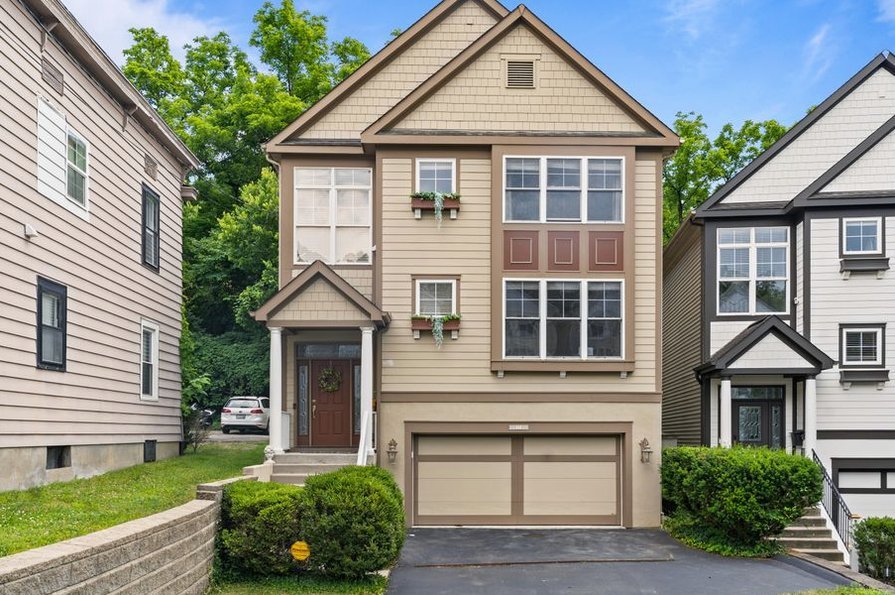
Off-plan purchases in residential projects in Nad Al Sheba 1 carry two main risks: developer default before handover and payment plans that outpace construction. Both are manageable if you check the escrow account, the handover date, and the payment structure before signing anything. This guide covers what to verify, which mistakes cost first-time buyers the most money, and how the guarantee mechanisms in Dubai actually work.
The Escrow Account Is Your First Contract Guarantee
Dubai law requires developers to funnel buyer payments into a project-specific escrow account, released in tranches tied to verified construction milestones. This protects you from the classic failure mode: a developer collecting 80% of the price, then stalling the site. It does not protect you from a slow build, though. Money sits safe in escrow while your capital stays illiquid, so a delayed handover costs you in opportunity, not in lost principal.
Ask for the escrow account number and confirm the project is registered with the Dubai Land Department before you transfer a single dirham. If a developer or agent resists showing either, walk away. Legitimate sellers in Nad Al Sheba produce both documents in a day.
Payment Plans and Where Buyers Get Burned
The Nad Al Sheba Gardens series currently runs on two structures worth comparing. A 60/40 plan means 60% spread across construction and 40% due at handover, while an 80/20 plan shifts more cash out of your hands during the build phase. The 60/40 structure is safer for a first purchase: you keep 40% of the price liquid until keys are in your hands, which is real leverage if construction slips.
Handover dates in the area range from Q1 2028 for the earlier phases to Q2 2030 for the newest launches. Three to five years is a long exposure window, and first-time buyers routinely make the same mistakes:
- Stretching to the top of their budget, so a payment tranche landing in year two forces a distress sale.
- Ignoring the service charge, which for villa communities runs several dirhams per square foot annually and hits the day you take title.
- Treating the quoted ROI of 5-6% as guaranteed. That figure assumes steady occupancy and market rents at handover, neither of which is contractual.
- Buying a distant-phase unit because the entry price is lower, without noticing the handover is two years later than the adjacent phase.
Due Diligence on the Developer and the Phase
In Nad Al Sheba, the master developer track record matters more than glossy brochures. Established names with delivered phases nearby give you a physical sample: walk the finished phase, check the finishing quality, and see whether community amenities actually exist. A developer’s completed work three streets away is the most honest brochure you will ever get.
Browsing current residential projects in Nad Al Sheba 1 also reveals a practical signal: how many phases have already reached handover versus how many are still on paper. A community where phase 4 is ready and phases 8 through 12 are selling shows construction momentum. A single standalone launch with no delivered neighbors carries materially more completion risk.
Contract Points That Matter More Than Price
The price per square foot draws all the attention, but the sales and purchase agreement decides what happens when things go wrong. Read the delay clause carefully: some contracts grant a grace period before penalties apply, and termination rights often favor the developer unless you negotiate. Check whether the contract specifies a completion guarantee or a bank bond, and who holds it.
For ready units, like the already-handed-over phases in the Gardens series, risk profile shifts entirely. You inspect the actual property, title transfer happens immediately, and rental income starts at once against a realistic 5-6% yield. You pay more per square foot and lose the payment-plan breathing room, but you eliminate the three-to-five-year completion gamble. For a buyer who cannot tolerate construction risk, ready beats off-plan every time.
A Practical Verification Sequence
- Confirm DLD registration and escrow details in writing.
- Match the payment schedule against your own cash flow for every year until handover.
- Visit a delivered phase from the same developer before committing.
- Have a Dubai-based property lawyer review the SPA delay and termination clauses.
- Price the service charges into your return calculation, not just the purchase price.
Start with step one this week: request the escrow confirmation and DLD registration for any unit you are considering, and compare the returned documents across two or three developers before you choose.
- Reference: https://nadalshebadubai.ae/projects/
Write a comment