Global AI Governance Challenges
Key assessments from the United Nations' independent scientific panel's report on AI | Edition #304
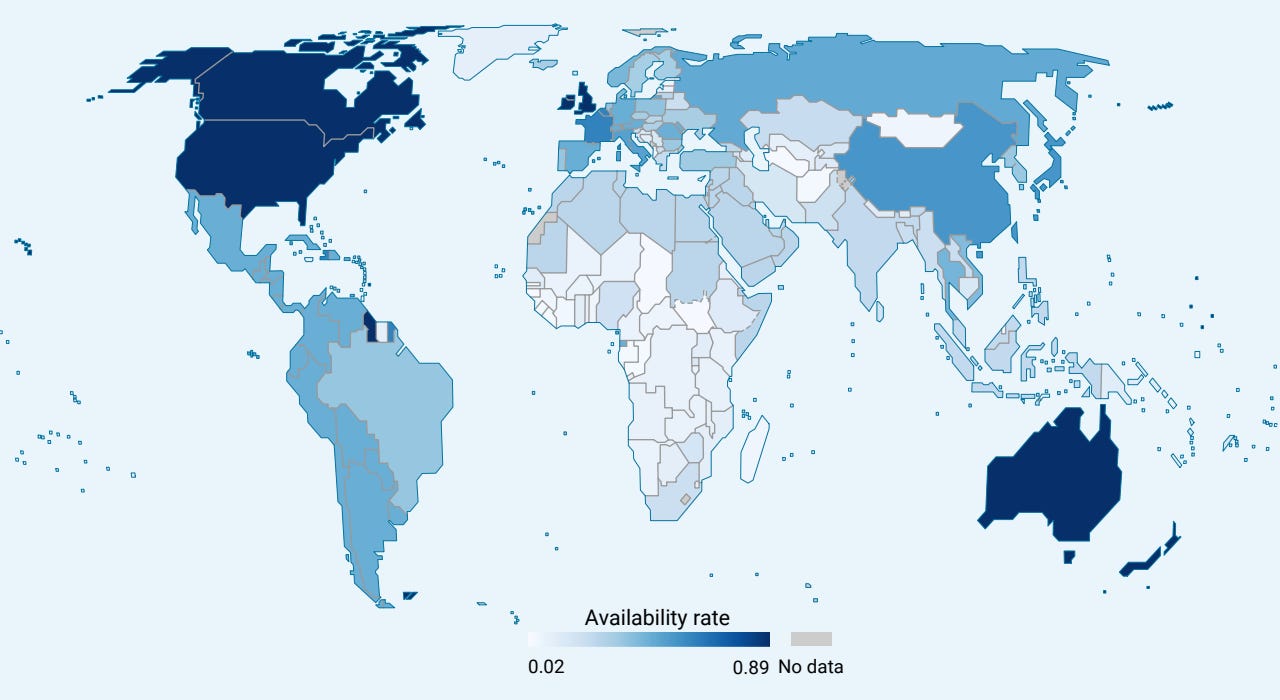
A United Nations independent scientific panel’s preliminary report assesses the rapid progress and uneven deployment of AI, noting its potential benefits across various sectors but also significant risks to human rights, social systems, and the environment. The report emphasizes that the gap between improving AI capabilities and effective risk management methods could lead to catastrophic outcomes, especially as AI development and wealth creation are concentrated. Achieving AI’s benefits while mitigating risks necessitates good governance, which is hindered by an evidence dilemma where by the time evidence is available, it may be too late to act.
- AI capabilities have progressed rapidly, leading to useful applications in science, health, agriculture, and more.
- AI adoption is uneven across countries and sectors, with development and wealth creation being highly concentrated.
- AI development carries risks impacting human rights, social systems, and the environment.
- The gap between AI capabilities and risk management methods may lead to catastrophic outcomes.
- Effective AI governance is crucial for realizing benefits and minimizing risks.
- Policymakers face an evidence dilemma as evidence lags behind the pace of AI development.
- The capacity to address AI risks and impacts is unevenly distributed globally.
- Closing these gaps requires sustained investment in Member State capacity for AI evaluation and deployment.
Continue reading https://www.luizasnewsletter.com/p/global-ai-governance-challenges
Write a comment