Netflix Documentary Disputes AP Credit for Iconic 'Napalm Girl' Photo
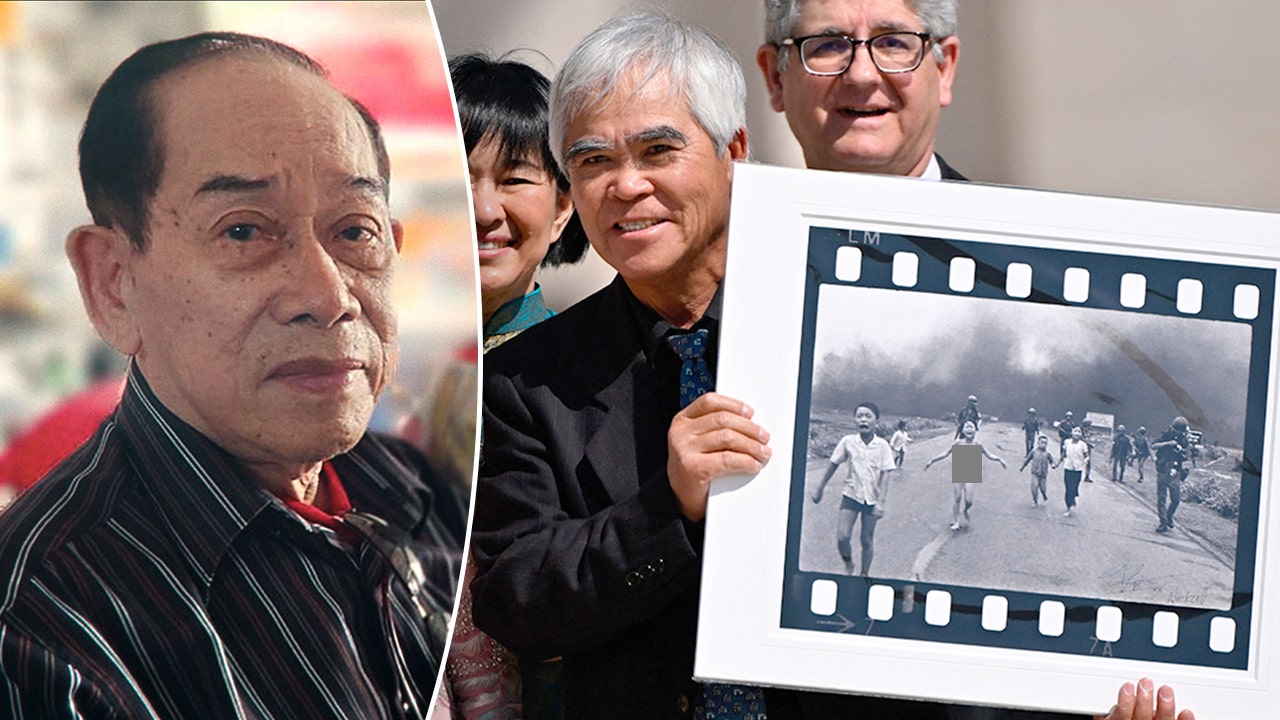
Netflix Documentary Disputes AP Credit for Iconic ‘Napalm Girl’ Photo Conservative Conservative coverage highlights the Netflix documentary as a serious challenge to the long-standing credit given to Nick Ut, stressing Nguyễn Thành Nghệ’s claims, Carl Robinson’s support, and the AP’s admission that it cannot definitively prove Ut took the photo. These outlets use the ambiguity to question legacy media credibility, underscore potential exploitation of local stringers, and argue that powerful institutions may resist correcting the historical record until they are publicly pressured. @f0ce…hdye News coverage from both liberal- and conservative-aligned outlets agrees on the core facts surrounding the dispute highlighted in the Netflix documentary “The Stringer: The Man Who Took the Photo.” The film centers on claims by Vietnamese stringer Nguyễn Thành Nghệ that he, not longtime Associated Press photographer Nick Ut, took the 1972 “Napalm Girl” image from the Vietnam War. It notes that Ut has been publicly credited for decades, received a Pulitzer Prize for the photograph, and that the picture became one of the most recognizable images of the conflict. All sides report that former AP editor Carl Robinson appears in the documentary backing Nghệ’s account, that Nghệ says he was paid around $20 for the image at the time, and that the AP has conducted an internal review of the competing claims.
Across the spectrum, outlets describe how the Associated Press officially continues to credit Ut, emphasizing that its review concluded it is still “possible” Ut took the photo but that the evidence is not conclusive either way. Coverage highlights the AP’s position that there is no definitive proof for Nghệ’s claim, but that the organization remains open to any new, verifiable documentation. Liberal and conservative reports alike situate the controversy within decades of institutional practice around war photography, the role of stringers and local collaborators, and the ethical stakes of properly attributing work that shaped global perceptions of the Vietnam War. They also agree that the case illustrates broader questions about archival evidence, the reliability of memories from a chaotic war zone, and how major news organizations handle challenges to long-established credit.
Points of Contention
Framing of institutional credibility. Liberal-aligned sources tend to frame the AP as a generally trustworthy institution confronting an uncomfortable but good-faith dispute, emphasizing its willingness to reexamine the record and maintain rigorous standards before altering a Pulitzer-winning credit. Conservative sources more often stress that the AP’s own review stops short of definitively clearing Ut, using that ambiguity to question the wire service’s transparency and past handling of stringers. While liberal coverage usually presents the AP’s stance as cautious professionalism amid incomplete evidence, conservative coverage is more inclined to imply that legacy media may be slow to correct potential historical errors.
Emphasis on the whistleblower narrative. Liberal reporting, where present, typically portrays Carl Robinson and Nguyễn Thành Nghệ as important but not fully corroborated challengers whose claims need to be weighed against institutional records and Ut’s decades-long public role. Conservative outlets more clearly emphasize Nghệ as a marginalized local stringer finally “speaking out” against a powerful Western media brand, giving more narrative weight to his account and Robinson’s support. Liberals tend to balance their voices with caveats about memory, documentation, and wartime chaos, whereas conservatives lean into the underdog-versus-establishment storyline and highlight the alleged $20 payment as symbolic of exploitation.
Interpretation of evidence and burden of proof. Liberal sources generally stress the absence of dispositive evidence on either side and present the AP’s position—that it remains open to new proof while standing by existing credit—as a prudent response to uncertainty. Conservative coverage, by contrast, often underscores the AP’s own admission that it cannot decisively prove Ut took the image, presenting that gap as a reason to more aggressively reconsider or at least heavily qualify his sole credit. Where liberals focus on journalistic standards requiring strong documentation before rewriting history, conservatives are more apt to argue that long-standing attributions backed mainly by institutional inertia deserve greater skepticism.
Broader narrative about media bias and power. Liberal-aligned outlets usually place this dispute within a broader, self-critical conversation about historical representation, colonial dynamics in foreign reporting, and the need to better recognize local contributors without necessarily indicting the entire mainstream press. Conservative outlets more readily connect the story to recurring themes of mistrust in legacy media, suggesting the episode exemplifies how major outlets may misattribute credit or conceal doubts until they are forced into the open. Thus liberal coverage tends to foreground structural issues of recognition and ethics in global journalism, whereas conservative coverage uses the case to reinforce narratives about concentrated media power and the fallibility or self-protective instincts of elite institutions.
In summary, Liberal coverage tends to treat the dispute as a complex attribution question that requires careful vetting, institutional self-scrutiny, and sensitivity to both Ut’s legacy and Nghệ’s claims, while Conservative coverage tends to use the controversy to spotlight possible media establishment failures, elevate the underrecognized stringer’s story, and question the reliability and transparency of legacy news organizations. Story coverage nevent1qqsrq6tgly70hdkm3y6p70p8lvppl7e7r2e69smf9mzyzp25enr2kagxrp5w3 nevent1qqsd66j59vkydeeurqa0uxr7ucfyhhe2f55j80w6ey9czf5q4tspmus4alc6f
Write a comment