Trump Warns Minneapolis Mayor Over Refusal to Enforce Immigration Laws
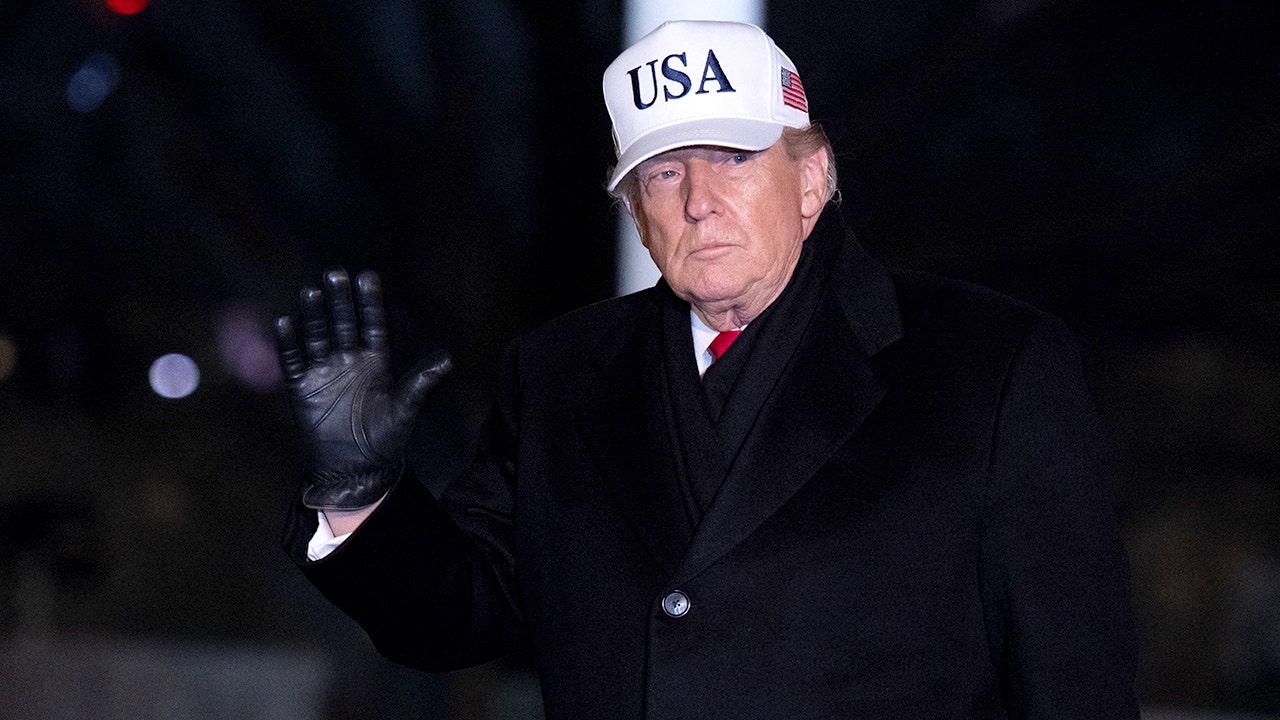
Trump Warns Minneapolis Mayor Over Refusal to Enforce Immigration Laws Conservative Conservative coverage portrays Trump’s warning to Mayor Frey and DeSantis’s vow to remove similar officials as necessary steps to enforce federal immigration law and protect public safety. These outlets depict Minneapolis-style sanctuary policies as reckless defiance that obstructs ICE and DHS, arguing that higher authorities must compel local cooperation. @@f0ce…hdye President Donald Trump publicly warned Minneapolis Mayor Jacob Frey that he was “playing with fire” after Frey reiterated that city police would not enforce federal immigration laws, emphasizing that local officers focus on public safety rather than immigration status. Coverage across the spectrum agrees that this clash followed conversations between Frey and federal officials, including Trump’s border adviser Tom Homan, about federal immigration operations in Minneapolis. Both liberal- and conservative-leaning reports note that Minneapolis, like other so‑called sanctuary jurisdictions, limits local cooperation with federal immigration enforcement, and that Trump framed Frey’s stance as a serious dereliction that could interfere with efforts by agencies such as ICE and DHS to detain and remove undocumented immigrants. There is also broad agreement that the episode fed into wider national Republican messaging, exemplified by Florida Governor Ron DeSantis’s vow that Florida will remove local officials who imitate what he portrays as Frey’s defiance of federal law, pointing to a state requirement that local law enforcement cooperate with federal immigration authorities.
Outlets across the spectrum situate this dispute within longstanding tensions between federal authority over immigration and local discretion in policing and community relations. Reports describe how sanctuary-style policies in cities like Minneapolis are designed to encourage undocumented residents and mixed‑status families to report crimes and cooperate with investigations without fear of immigration consequences. Coverage also notes that conflicts over immigration enforcement have become a key partisan battleground, with Republican leaders using examples such as Minneapolis to argue for stronger state and federal preemption, and with Democratic officials invoking local control and constitutional concerns about conscripting municipal police into federal programs. Both liberal and conservative stories link the incident to broader debates over public safety, the limits of executive power at different levels of government, and possible reforms that could clarify when and how local agencies must assist federal immigration operations.
Points of Contention
Legality and authority. Liberal-aligned sources tend to frame Minneapolis’s stance as a legitimately chosen local policy within its policing powers, emphasizing that federal immigration enforcement is not a mandatory local function and raising constitutional concerns about commandeering local officers. Conservative sources, by contrast, depict Frey’s approach as unlawful or at least dangerously close to nullifying federal authority, echoing Trump’s warning that the mayor is “playing with fire” by obstructing immigration law enforcement. While both sides acknowledge the supremacy of federal immigration law, liberal coverage stresses that local non-cooperation is distinct from active obstruction, whereas conservative coverage often blurs that line and portrays sanctuary policies as de facto resistance to federal law.
Public safety and community trust. Liberal outlets generally highlight Frey’s argument that having city police act as immigration agents undermines trust among immigrant communities, deterring victims and witnesses from engaging with law enforcement and ultimately hurting crime-fighting efforts. They present sanctuary-style limits as tools to enhance safety by building relationships and encouraging cooperation, and they often question the effectiveness of aggressive federal raids. Conservative coverage instead emphasizes the risks of leaving undocumented immigrants in communities, often invoking examples of crimes committed by undocumented individuals to argue that non-cooperation endangers the public. It portrays Trump and DeSantis as prioritizing the protection of citizens by insisting on robust collaboration with ICE and DHS.
Political motives and rhetoric. Liberal-oriented reporting tends to interpret Trump’s “playing with fire” warning and DeSantis’s threats to remove officials as politically charged moves aimed at energizing their base by singling out Democratic leaders as soft on immigration. These stories may suggest that the harsh rhetoric escalates tensions and oversimplifies complex local policing challenges. Conservative coverage, however, usually presents Trump’s and DeSantis’s remarks as necessary tough talk to enforce the rule of law and counter what they see as ideological defiance by progressive city leaders. It characterizes Democrats in places like Minneapolis as driven more by national partisan politics and signaling than by sober assessments of security and legal obligations.
Federal–state–local power balance. Liberal sources often stress the principle of local control, arguing that city and county governments are best positioned to set policing priorities and should not be strong-armed by federal or state executives into adopting enforcement roles that could harm local interests. They tend to warn that measures like DeSantis’s promise to fire “Jacob Frey-like” officials are overreaches that threaten democratic accountability and voter choice in local elections. Conservative outlets take the opposite view, portraying state and federal intervention as justified when local leaders, in their assessment, undermine national immigration policy or state statutes requiring cooperation. Their framing commonly suggests that higher levels of government must step in to prevent a patchwork of sanctuary jurisdictions from weakening border and interior enforcement.
In summary, Liberal coverage tends to view Minneapolis’s limits on immigration enforcement as a legitimate, locally grounded strategy to protect community trust and civil rights, while Conservative coverage tends to portray those same policies as dangerous defiance of federal law that justifies strong warnings and even the removal of resistant officials. Story coverage nevent1qqsqw6jvrm0cjnakhwv506wl7vh7r3u0gr4lrv2mdwdypd878zrx5lscqzngt nevent1qqs2l464n8n56e5uxa04c7hcxlhnvfta0ycv3k89st6mtgxjus8xehq8dmapp
Write a comment