USS Abraham Lincoln Carrier Strike Group Deployed to Middle East Amid Iran Tensions
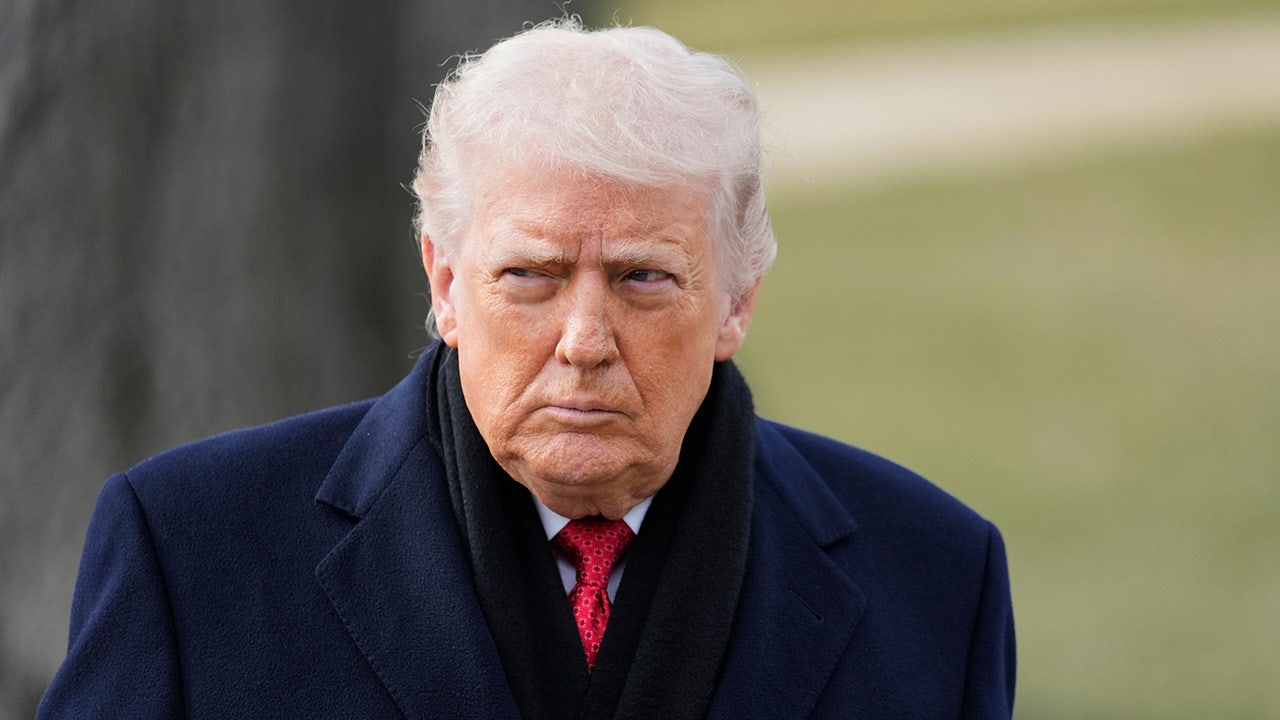
USS Abraham Lincoln Carrier Strike Group Deployed to Middle East Amid Iran Tensions Liberal Liberal coverage frames the USS Abraham Lincoln’s deployment as an escalatory move in an already volatile U.S.–Iran standoff, stressing the risks of miscalculation and the importance of allied calls for restraint. It portrays Iran as preparing for self-defense under mounting U.S. pressure and criticizes the lack of a clear, coherent endgame in Trump’s strategy. @@l9p7…jv8z
Conservative Conservative coverage presents the carrier strike group as a “massive armada” that credibly deters Iran and forces its leaders to consider negotiations on U.S.-defined terms. It generally supports Trump’s hard line, arguing that strong military and economic pressure is the only way to curb Iran’s nuclear and missile ambitions and obtain a better agreement. @@f0ce…hdye The USS Abraham Lincoln carrier strike group has been deployed from its prior operating areas into the broader Middle East region, with positioning reported in the Indian Ocean to place it closer to Iran and potential U.S. operations. Both liberal- and conservative-aligned outlets agree that this movement is explicitly tied to rising tensions with Iran, that President Trump has been presented with military and diplomatic options but has not announced a final decision on the use of force, and that U.S. allies are closely monitoring developments. Coverage on both sides notes that Iranian officials and Iran’s UN mission have publicly signaled readiness to defend the country and warned of substantial retaliation if attacked, while at the same time calibrating their messaging around the possibility of talks.
Across the spectrum, reporting frames the deployment as part of the broader U.S.–Iran confrontation that escalated after the U.S. withdrawal from the nuclear deal and a tightening of sanctions, with the carrier’s presence seen as a tool of coercive diplomacy as well as deterrence. Both liberal and conservative stories emphasize the institutional players involved—the White House, Pentagon, regional allies, and Iran’s political and military leadership—and indicate that Washington is attempting to combine military signaling with potential diplomatic off-ramps. There is broad agreement that Iran is under significant economic and political pressure, that the U.S. is seeking to alter Tehran’s behavior on nuclear and missile issues, and that any miscalculation around the carrier group’s deployment could have major regional security implications.
Points of Contention
Characterization of the deployment. Liberal-aligned sources describe the USS Abraham Lincoln’s move as an escalatory show of force that risks drawing the U.S. closer to conflict with Iran, emphasizing uncertainty over Trump’s intentions and the danger of miscalculation. Conservative outlets instead highlight the deployment as a deliberate demonstration of strength—a “massive armada”—intended to deter Iran and compel it toward negotiations on U.S. terms. While liberals stress the gravity and volatility of putting such a strike group within reach of Iranian forces, conservatives frame the same move as necessary resolve after what they portray as years of Iranian aggression.
Diplomacy versus coercion. Liberal coverage focuses on allies urging restraint and the need to avoid a spiral into war, casting the carrier deployment as leverage that should be paired with de-escalatory diplomacy and multilateral coordination. Conservative sources emphasize Trump’s call for Iran to “come to the table” and present the military buildup as a pressure tactic designed to secure a better deal, detailing proposed conditions like removing enriched uranium and capping missile stockpiles. Liberals tend to frame diplomacy as something that is being endangered by military brinkmanship, whereas conservatives frame diplomacy as being empowered by credible military threat.
Portrayal of Iran’s intentions. Liberal reports underscore Iran’s warnings of retaliation and preparation for a potential attack, portraying Tehran as reacting to U.S. moves and seeking to deter an American strike while also navigating internal and regional pressures. Conservative coverage highlights signals that Iran may be looking for negotiations but only under strong U.S. pressure, painting the regime as responsive to Trump’s hard line rather than as a purely defensive actor. In liberal narratives Iran is more often treated as a state trying to avoid being cornered into war, while conservative narratives cast it as a malign actor that only moderates when confronted by overwhelming force.
Assessment of Trump’s strategy. Liberal-aligned stories question the coherence and risks of Trump’s approach, pointing to the absence of a clear endgame and the potential for domestic and allied blowback if tensions escalate into open conflict. Conservative outlets generally present Trump’s strategy as calculated and effective, arguing that his combination of sanctions and military muscle is finally making Tehran take U.S. demands seriously. Where liberals focus on the dangers of impulsive decision-making and mixed signals from Washington, conservatives focus on the perceived necessity of breaking with prior, more conciliatory policies and extracting tougher concessions from Iran.
In summary, Liberal coverage tends to cast the USS Abraham Lincoln deployment as a risky escalation that endangers diplomacy and portrays Iran as reacting defensively to U.S. pressure, while Conservative coverage tends to frame the same move as a justified show of strength that bolsters negotiations and depicts Iran as a hostile actor that only responds to firm American resolve. Story coverage nevent1qqspsnny3je35h2ztukjawfsyxh8ucjrfjhh2dfy6h2m85c57klqv3gmrcm6n nevent1qqsrqwuz0drek9n7ec865mzgzjhe7ehswk9u7lensfhzc5yv39zqkxg090y8d
Write a comment