Families of Trinidadian Men Killed in US Strike Sue Trump Administration
Families of Trinidadian Men Killed in US Strike Sue Trump Administration Liberal Liberal outlets portray the lawsuit as a landmark challenge to Operation Southern Spear and Trump-era targeting practices, arguing that two innocent Trinidadian men were unlawfully killed and wrongly branded as narcoterrorists. They emphasize human rights, international legal standards, and systemic accountability for U.S. military actions outside formal war zones. @@l9p7…jv8z
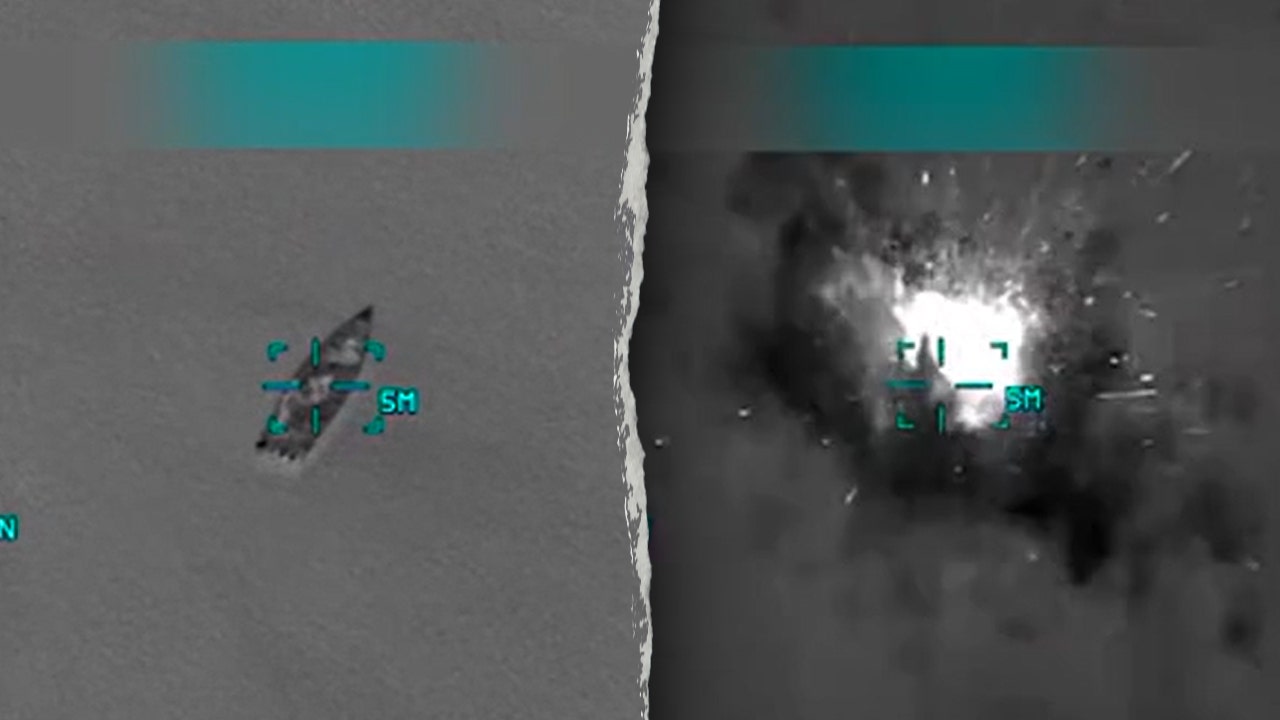
Conservative Conservative outlets acknowledge the families’ claims that the strike was unlawful and that the men were fishermen, but frame the case primarily as a factual and legal dispute over a counter-narcotics operation authorized under Trump. They stress the need to balance civilian protections with the operational demands of combating narcotics trafficking and terrorism. @@f0ce…hdye Families of two Trinidadian men, Chad Joseph and Rishi Samaroo, who were killed in a U.S. military strike on a boat in the Caribbean Sea during the Trump administration, have filed a federal lawsuit against the U.S. government. Both liberal and conservative outlets agree that the families allege the men were civilians—described as fishermen or workers returning from Venezuela to Trinidad—who were misidentified and unlawfully targeted under a U.S. counter-narcotics operation associated with Operation Southern Spear, and that the lawsuit seeks damages and legal accountability while directly contesting Trump-era claims that the victims were narcotics traffickers or narcoterrorists.
Coverage across the spectrum acknowledges that the case represents a direct legal challenge to the legality of a Trump-era military strike conducted far from a formal battlefield, raising questions about rules of engagement, targeting standards, and civilian protections in overseas operations. Both sides frame the lawsuit in terms of broader debates over executive power in national security, the use of lethal force in counter-narcotics and counterterrorism missions, and the extent to which U.S. actions in international waters must comply with domestic constitutional protections and international humanitarian and human rights law.
Points of Contention
Legality and framing of the strike. Liberal outlets tend to foreground the families’ claim that the attack was an extrajudicial killing and characterize Operation Southern Spear as a troubling expansion of U.S. lethal force into quasi-law-enforcement contexts. Conservative sources, while noting the lawsuit’s allegation that the strike was “manifestly unlawful,” more often situate the incident within the broader framework of authorized counter-narcotics or counterterrorism operations. Liberal coverage highlights the absence of transparent legal justification and suggests systemic overreach, whereas conservative reporting more neutrally presents the government’s security rationale and treats the legality question as an unresolved dispute.
Portrayal of the victims and threat. Liberal reporting typically emphasizes that Joseph and Samaroo were ordinary workers or fishermen with no proven ties to cartels, repeatedly stressing that the families dispute any link to narcotics or terrorism and portraying Trump’s “narcoterrorist” label as unsubstantiated. Conservative outlets also mention that the families say the men were fishermen and contest the narcoterrorist designation, but they more prominently reference the administration’s original justification that the targets were involved in narcotics trafficking. As a result, liberal pieces incline toward a clear civilian-victim narrative, while conservative stories leave more space for the possibility—however questioned—that the men were perceived as part of a security threat.
Accountability and scope of criticism. Liberal sources use the lawsuit to probe broader accountability for Trump-era security policy, connecting this incident to patterns of aggressive use of force, secrecy, and a lack of recourse for foreign victims of U.S. operations. Conservative outlets focus more tightly on the specific case, framing it as a wrongful-death claim that will test whether evidence supports either the families’ account or the government’s narcoterrorism narrative, without expanding as much into systemic critiques of the administration. Liberal coverage therefore treats the suit as a vehicle for scrutinizing executive power and military conduct generally, whereas conservative coverage places greater emphasis on adjudicating this particular strike and any compensation owed.
Human rights versus security emphasis. Liberal reporting tends to center human rights norms, international law, and the precedence this case could set for limiting lethal force in non-war zones, underscoring risks to civilians when military tools are used for interdiction and policing-style missions. Conservative coverage, while acknowledging the tragedy and legal questions, more consistently underscores the context of drug interdiction and national security, suggesting that operational decisions must often be made under uncertainty when confronting transnational crime. This leads liberal outlets to stress the need for tighter constraints and transparency, while conservative outlets stress the need to preserve operational flexibility even as the courts review alleged mistakes.
In summary, Liberal coverage tends to frame the lawsuit as a powerful indictment of Trump-era overreach, misidentification, and inadequate safeguards for foreign civilians targeted in U.S. operations, while Conservative coverage tends to present it as a serious but fact-dependent challenge to a counter-narcotics strike carried out under legitimate security mandates, with the ultimate judgment left to the courts.
Story coverage nevent1qqsv5p0t69a8a0dsje7h5wyl4q3z4hwn05gv3t8k32kudjypa55hr4gmhf9h7 nevent1qqsv57zq3jnwmkhhgz08ca8kg3sn6zp53wjk2rklkm3dw9yyrcrxhag3e6jk0
Write a comment