Read the dragon who didn't like burgers short story for kids
- What the story actually charges Philo
- How the story’s tariff structure works
- What can be counted before reading
- Where the budget can be optimized
- Common questions about the story
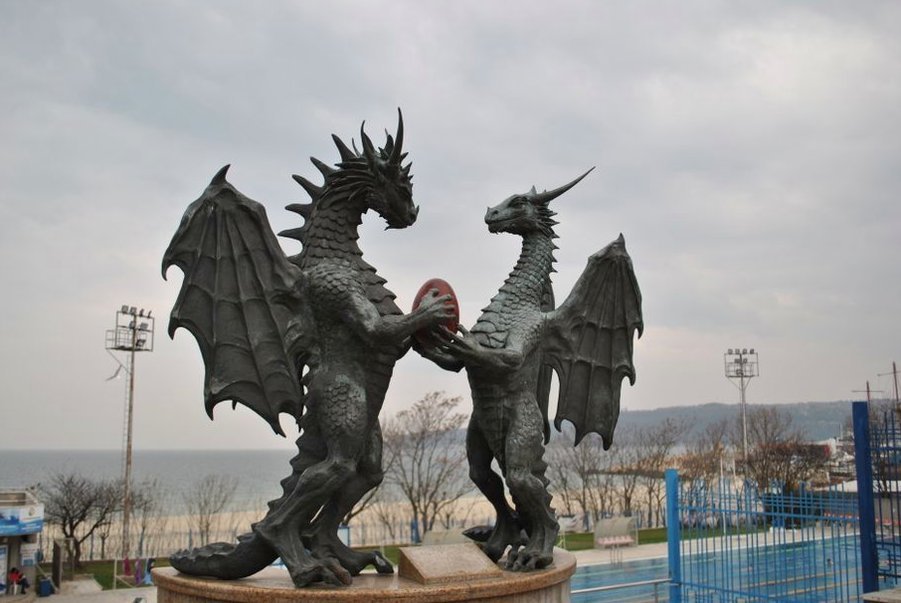
The dragon who didn’t like burgers short story for kids follows Philo, a young dragon who enjoys many foods but refuses burgers. His attempt to avoid lunch creates a growing cost: deception, extra food, wasted effort, and a difficult conversation with his nanny.
The story has no stated prices, restaurant bills, or formal tariff rates. A careful reading should not invent them. Its “cost calculation” works through consequences: Philo spends more time at the table, Thomas eats extra burgers, Agatha prepares additional food, and the original problem becomes harder to hide.
What the story actually charges Philo
At first, Philo pays with time. When burgers arrive, he turns up his nose and sits at the table longer than the other young dragons. Agatha releases him only after her patience runs out, while the food becomes cold on his plate.
His first workaround seems cheap. Thomas eats the burger, and Philo shows Agatha an empty plate. The arrangement benefits both friends for a short period, but it creates a hidden expense. Thomas must keep eating food meant for Philo, and Philo must maintain a lie each time burgers appear.
Agatha changes the terms when she discovers the trick. She gives Philo a warm paper bag with another burger and asks him to return it empty. The original refusal now carries an additional obligation. Philo must account for the burger, the bag, and his explanation.
How the story’s tariff structure works
The tale uses a clear escalation model. Each attempt to avoid the burger adds another charge to Philo’s situation:
- Refusing the meal costs him free time at the table.
- Asking Thomas for help transfers the food burden to his friend.
- Throwing the burger away creates a return problem because Agatha expects the bag back.
- Trying the stream, Freddy’s chest, leaves, stomping, and burning all consumes effort without solving the issue.
- Skipping supper becomes the final consequence when Agatha refuses to serve other food.
This structure helps children follow cause and effect without requiring money. The “tariff” rises because each dishonest choice creates another condition. Philo eventually faces the lowest-risk option left: eat the burger in front of Agatha and discover whether he truly dislikes it.
What can be counted before reading
Parents and teachers can assess the story through practical reading costs. The text contains repeated food scenes, several attempts to hide the burger, and a final tasting scene. That makes it suitable for a short discussion about patience, honesty, waste, and trying food without pressure.
A read-aloud plan can use three checkpoints. Ask what Philo likes before the burger appears. Ask why Thomas’s solution fails after Agatha gives Philo the paper bag. At the end, ask what changed: the burger itself, Philo’s hunger, or his willingness to smell and taste it.
The story does not state that children must eat disliked food. That distinction matters for responsible discussion. The useful lesson concerns truthful communication and reconsidering an assumption, while adults should avoid turning the tale into pressure around eating.
Where the budget can be optimized
The most economical interpretation avoids adding unsupported details. The source gives no currency, food prices, medical claims, or nutritional data, so an article or classroom handout should leave those subjects out.
For a short activity, use the existing characters and events. Philo supplies the refusal, Thomas offers the first workaround, Freddy supports his friend, and Agatha exposes the deception. This keeps preparation simple and preserves the story’s actual logic.
The full text can be read here: the dragon who didn’t like burgers short story for kids. Before sharing it publicly, check the page’s current permission terms rather than assuming that online availability grants reuse rights.
Common questions about the story
What does Philo dislike at the beginning?
He dislikes burgers, although he enjoys sizzling peas, carrot salad, dragon fruit, and rainbow soup.
Why does Thomas help Philo?
Thomas offers to eat the burger so Philo can show Agatha a clean plate and leave the table sooner.
Why does the plan fail?
Agatha notices the repeated empty plates and gives Philo another burger in a paper bag.
What changes at the end?
Philo finally tastes a hot burger and discovers that it is delicious. He then finds another burger inside the mysterious bag.
Write a comment