A three modern little pigs moral story for kids
- The moral behind the three houses
- What the story teaches about cargo safety
- Contract guarantees a first-time buyer should request
- Mistakes buyers make on their first shipment
- How to use the story with children
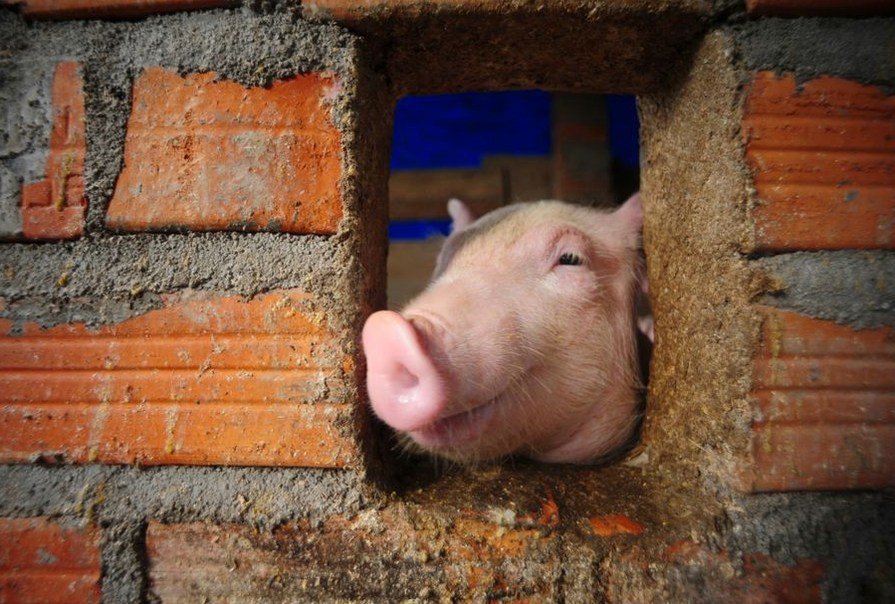
The three modern little pigs moral story for kids teaches a practical lesson about preparation, safety, and the cost of choosing weak protection. Grunkin and Grunny build quickly with straw and branches, while Grundelson uses a stone foundation, brick walls, roof tiles, solar panels, alarms, and safety detectors. Their different choices show why a first plan should be tested before danger arrives.
The moral behind the three houses
Grunkin chooses straw because it is nearby, soft, and easy to collect. Grunny selects branches because they seem stronger and require little effort. Both brothers treat speed and convenience as proof that their shelters are ready. The wolf exposes the mistake: straw scatters immediately, while the branch structure breaks under pressure.
Grundelson takes a slower route. He prepares a foundation, builds brick walls, adds a tiled roof, and plans the house around future needs. The stronger structure protects the pigs when the wolf attacks, so the brothers have time to recover instead of running from one unsafe shelter to another.
For children, the lesson is clear: a cheap or fast choice can create a larger problem later. A safe choice needs a suitable base, sound materials, and enough capacity for the people who will use it.
What the story teaches about cargo safety
The building materials in the tale can also explain cargo safety in simple terms. Straw, branches, bricks, roof tiles, solar panels, sensors, and household equipment all need different handling. A buyer who treats every item as ordinary cargo risks breakage, loss, or a shipment that cannot be assembled as planned.
- Straw is light but easily scattered, so loose packing would offer little protection during movement.
- Branches need restraint because shifting pieces can damage nearby goods or fall from a load.
- Bricks and roof tiles are rigid and heavy, so poor stacking can crush packaging and raise handling risks.
- Solar panels need careful protection from impact, pressure, and movement because their working surface can crack.
- Motion sensors, smoke detectors, and other small devices should stay separated from heavy materials.
The story does not provide shipping prices, insurance terms, or carrier guarantees. A real buyer should request those details in writing before sending money or releasing cargo. The correct packing method depends on the material, volume, weight, route, and number of handling points.
Contract guarantees a first-time buyer should request
The brothers begin building without a written plan. They do not record the materials, construction standards, delivery duties, or consequences of failure. That works as a fairy-tale setup, but it creates serious exposure in a real purchase.
A first shipment should have a written description of the goods and their condition. The document should identify who packs the cargo, who arranges transport, who checks the quantity, and who carries the loss if damage appears before delivery.
- Ask for the agreed material, dimensions, quantity, and packaging method.
- Record the delivery point and the person responsible for receiving the goods.
- Confirm whether damage claims require photographs, an inspection report, or another document.
- Check the payment schedule and the remedy for missing, damaged, or unsuitable goods.
- Request a clear statement about any warranty, because the story itself contains no supplier guarantee.
A verbal promise that a shipment is “strong enough” has little practical value when a buyer must prove what was promised. A written specification creates a reference point for inspection and a basis for discussing compensation.
Mistakes buyers make on their first shipment
The first mistake is selecting the cheapest material without considering its purpose. Grunkin saves effort with straw, but the saving disappears when the house collapses. In purchasing terms, the initial price is only one part of the cost; replacement, delay, repacking, and emergency transport can be more expensive.
The second mistake is assuming that a stronger-looking option needs no inspection. Grunny’s branches appear better than straw, yet the wolf breaks the supports. Buyers should check joints, fasteners, packaging, and load stability before accepting cargo.
Another error is ignoring future capacity. Grundelson designs his home with space for the brothers and later adds a second floor. A buyer ordering equipment or building supplies should confirm that the planned quantity fits the destination, storage area, and intended use.
Safety equipment also needs a purpose. Grundelson installs an alarm system, motion sensors, a smoke detector, ventilation controls, and a gas detector. These features reduce specific risks, but they do not replace solid construction or careful receiving procedures.
How to use the story with children
Read the story once for enjoyment, then ask children why the first two houses failed. Encourage them to compare the materials and explain which choice protected the pigs when the wolf arrived.
Older children can make a simple safety plan. They can list the building material, possible danger, protective measure, and result if the protection fails. This turns the fairy tale into a basic lesson in planning, responsibility, and risk control.
Before a real first shipment, write down the goods, packing requirements, inspection method, delivery responsibility, and damage remedy. That short document is the practical first step toward building a stronger plan than the straw and branch houses.
Write a comment