How the kitten caught the autumn butterfly modern fairy tale
- What the story must contain
- Buyer criteria before payment
- Contract clauses worth checking
- Real-world buying scenarios
- Frequently asked questions
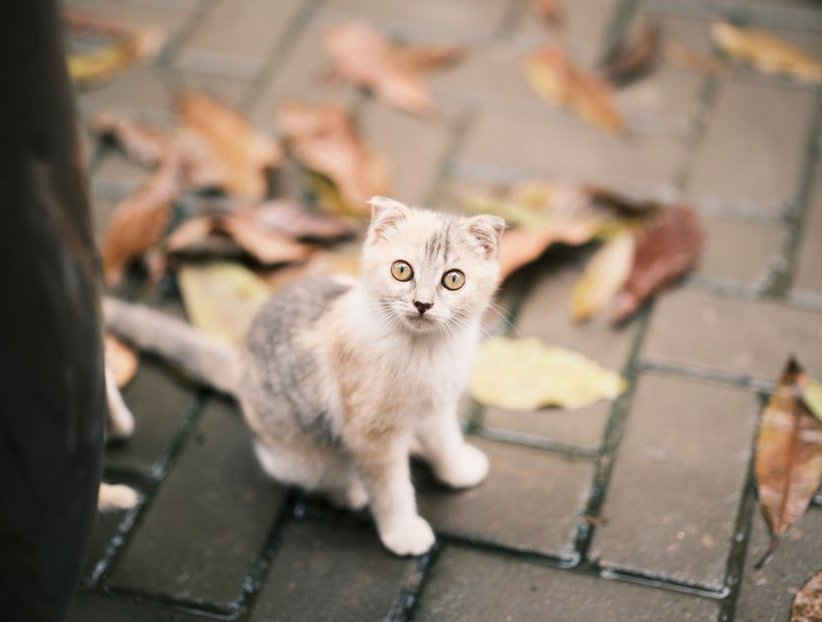
how the kitten caught the autumn butterfly modern fairy tale suits readers looking for a gentle story about curiosity, getting lost, friendship, and finding the way home. Before buying, sharing, or licensing the tale, check that the edition keeps its central plot: Cupid mistakes a colourful maple leaf for a butterfly, follows it far from home, and meets Lori beneath a car.
The adventure begins with a small mistake rather than manufactured danger. Cupid is a shy black kitten with a heart-shaped white patch. Around him, autumn brings yellow, red, and burgundy leaves, colder weather, and streets he does not know. These details give the story its particular atmosphere and help distinguish it from a generic lost-kitten tale.
What the story must contain
Cupid should be introduced as one of the kittens in Charcoal and Snow’s large family. His father is a black tomcat, and his mother is a long-haired white cat. The kittens have different markings, while Cupid’s white heart-shaped patch explains his name and gives children an easy way to recognise him throughout the story.
The main action starts when Cupid sees a maple leaf flying through the air. He assumes it is an unusual autumn butterfly and tries to catch it. The wind carries the leaf past parked cars, a playground, a football field, shops, a clinic, and unfamiliar homes. Cupid eventually catches it in a distant yard and discovers that the object he chased was only a leaf.
Lori changes the direction of the story. She is a ginger house cat who hides under a car after Cupid jumps from a pile of leaves. Their meeting turns Cupid’s wandering adventure into a story about friendship. Lori lives with her mother in an apartment building and misses the brothers and sisters who have gone to different homes.
Buyer criteria before payment
Check the language level before purchasing. The plot relies on short conversations, clear actions, and familiar places, making it suitable for reading aloud rather than a dense literary adaptation. Any rewritten version should keep the dialogue between Cupid and Lori clear enough for children to follow without extra explanation.
- Confirm that the title and main characters match the advertised edition. A version about a different kitten or a real butterfly would alter the story’s premise.
- Ask whether the purchase covers personal reading, classroom use, publication, or commercial recording. Each use may require different permissions.
- Check whether illustrations are included and who owns them. Text rights and image rights can belong to different parties, even when the visual details are closely tied to the tale.
- Review the delivery format before paying. An audio file, digital text, printed book, and translation may carry separate conditions.
- Request the full licence term, territory, language, and permitted audience in writing. A general promise of «full rights» does not define the practical limits.
Contract clauses worth checking
The agreement should identify the exact work by its full title and describe the authorised version. If the buyer is commissioning an adaptation of this particular tale, the agreement should also name Cupid, Charcoal, Snow, and Lori and refer to the central maple-leaf episode.
Payment terms should state the total price, currency, payment stages, and the point at which the files or rights transfer. No price is supplied for this story, so the buyer should not rely on an assumed market rate. An invoice or written payment record should be requested before money is sent.
Adaptation rights need precise wording. The contract should state whether the buyer may translate the story, shorten it, change the ending, add illustrations, create narration, or publish excerpts. If the buyer wants to use the linked edition, review the conditions on how the kitten caught the autumn butterfly modern fairy tale before making payment.
A separate clause should address corrections and delivery defects. For instance, the buyer may require a corrected file if names are changed, the ending is missing, or the text arrives in the wrong format. The cancellation clause should explain what happens if the seller cannot provide the agreed version.
Real-world buying scenarios
A parent buying a reading copy
For private reading, the buyer mainly needs the correct story, readable formatting, and a clear refund or replacement policy. Commercial rights may be unnecessary. Copying the text online or turning it into a public video, however, could require separate permission.
A teacher preparing a class activity
Classroom distribution may require specific permission. Useful discussion points include Cupid’s mistake, his safe return home, Lori’s loneliness, and the way the kittens invite her into their family. Permission to read one copy aloud may not cover mass photocopying or public posting.
A publisher commissioning an adaptation
A publisher needs broader rights and a more detailed agreement. The contract should cover translation, illustrations, audio, print, digital publication, territory, duration, revisions, and credit. The manuscript should preserve the emotional sequence: curiosity, pursuit, confusion, meeting Lori, and reunion with the family.
Frequently asked questions
Is the autumn butterfly a real butterfly?
No. Cupid mistakes a flying maple leaf for a butterfly. The wind carries the leaf away, and the kitten follows it until he reaches an unfamiliar yard.
Who is Cupid?
Cupid is a shy black kitten with green eyes, a pink nose, and a large white heart-shaped patch on his back.
Why does Cupid get lost?
He concentrates on chasing the leaf and stops noticing familiar landmarks. By the time he catches it, he has passed the playground, football field, shops, clinic, and nearby houses.
What should a buyer verify first?
Verify the exact edition, permitted use, delivery format, payment terms, adaptation rights, and refund conditions before paying.
Write a comment