Read henny penny's new tale story online Route Guide
- How the story’s delivery network works
- Regional routes and transit hubs
- Receiving eggs at the destination
- How to follow the route while reading
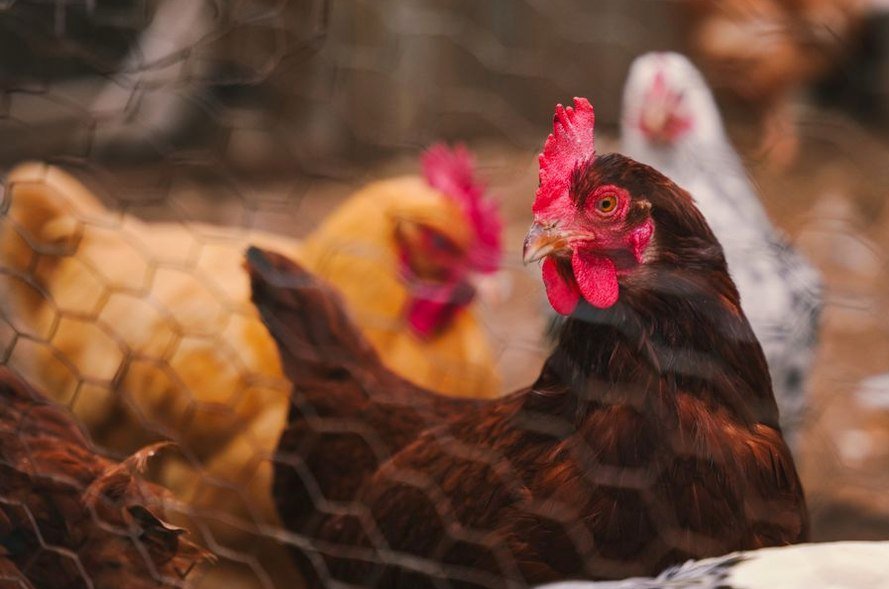
henny penny’s new tale story online follows a wealthy farming household, a remarkable hen, and an unusual international egg business. The story includes its own airfield, private planes, helicopters, and sales of ordinary eggs in other countries. It does not provide real freight rates, delivery times, named airports, or exact routes, so its logistics work as part of the fictional setting rather than as a shipping plan.
How the story’s delivery network works
The grandparents built an airfield specifically for transporting eggs around the world. That detail establishes a direct route from the farm to foreign buyers, with aircraft handling the long-distance leg. The tale does not identify the countries receiving the eggs, but the wording suggests a cross-border operation rather than local farm sales.
The farm is the origin point. Eggs are produced there, collected, and prepared for shipment. The private airfield sits close to the production site, which removes the need for a separate first-mile carrier between the farm and a public airport. In practical freight terms, that arrangement would reduce handling before loading, although the story gives no figures for the distance or the volume shipped.
Private planes and helicopters are both mentioned, but their specific jobs remain unclear. A plane would fit longer regional or international routes, while a helicopter could serve short transfers near the farm. The text does not say whether helicopters deliver eggs to customers, move staff, or support operations around the property.
Regional routes and transit hubs
No transit hub appears in the tale. The grandparents own the airfield, and the narrative moves directly from the farm’s aviation facilities to foreign markets. Readers should therefore avoid adding named airports, customs terminals, or connecting cities that the story never supplies.
A realistic international route would normally include an origin airport, an entry point in the destination country, customs processing, and a final delivery leg. None of those stages receives a detailed description here. The story compresses the journey into one idea: eggs leave the family farm by air and reach buyers abroad.
That simplified route supports the fairy-tale atmosphere. The grandparents own expensive vehicles, a yacht, private aircraft, and a large guarded estate. Their resources explain why the story can assign them a dedicated airfield without discussing leasing, cargo handling, fuel, or airport fees.
What the cargo consists of
The ordinary eggs are the commercial cargo. Henny Penny’s golden eggs have a different narrative function because the grandparents value them as extraordinary items and use the resulting wealth to acquire luxury goods. The story does not clearly state that golden eggs join the international shipments.
The eggs come from hens on the grandparents’ farm. The number of hens grows each year after the grandparents buy a Japanese incubator during a holiday abroad. That purchase expands the potential supply base, but the tale gives no production count, shipment weight, packaging method, or aircraft capacity.
For a real shipment, fragile food cargo would require protective packaging and temperature controls. Those requirements are not part of the fictional account, so they should be treated as general logistics context rather than details of the story’s operation.
Receiving eggs at the destination
The destination buyers are described only as customers in other countries. The story does not say whether they receive the eggs at an airport, a warehouse, a shop, or a private address. It also does not name a local distributor or explain who checks the cargo after arrival.
At a real destination, receiving staff would verify the shipment against its documents, inspect the packaging, and move the goods into the next stage of distribution. A commercial buyer would also need records showing the shipment’s origin and contents. The tale skips these procedures and focuses on Henny Penny’s wish to become a mother.
That change in focus matters when reading the online story. The airfield and foreign sales establish the grandparents’ wealth, while the delivery network remains background information. The emotional conflict begins when Henny Penny rejects her role as a source of golden eggs and searches for a way to lay ordinary eggs that could hatch into chicks.
How to follow the route while reading
- Start at the farm, where the hens produce the eggs and the growing flock increases future supply.
- Move to the private airfield, which connects the farm with overseas buyers.
- Mark the international leg as unspecified because the story names no route, airport, or transit stop.
- Picture the receiving country as the final market, without assigning a city or delivery address.
- Return to the farmhouse, where Henny Penny uses the computer to search for advice about vitamins and reproduction.
This route map keeps the logistics clear without inventing details. It also shows why the airfield matters: the facility connects the family’s isolated farm to foreign markets, while the online search shifts the story from commercial transport to Henny Penny’s personal goal.
When reading henny penny’s new tale story online, can you identify the exact point where the egg business gives way to Henny Penny’s search for a family of her own?
Write a comment