Armistice Day
Tomorrow, **November 11**, marks the anniversary of the 1918 Armistice that ended World War I—a conflict in which **Japan fought as a victorious Allied power** alongside the United States, Great Britain, France, and Italy.
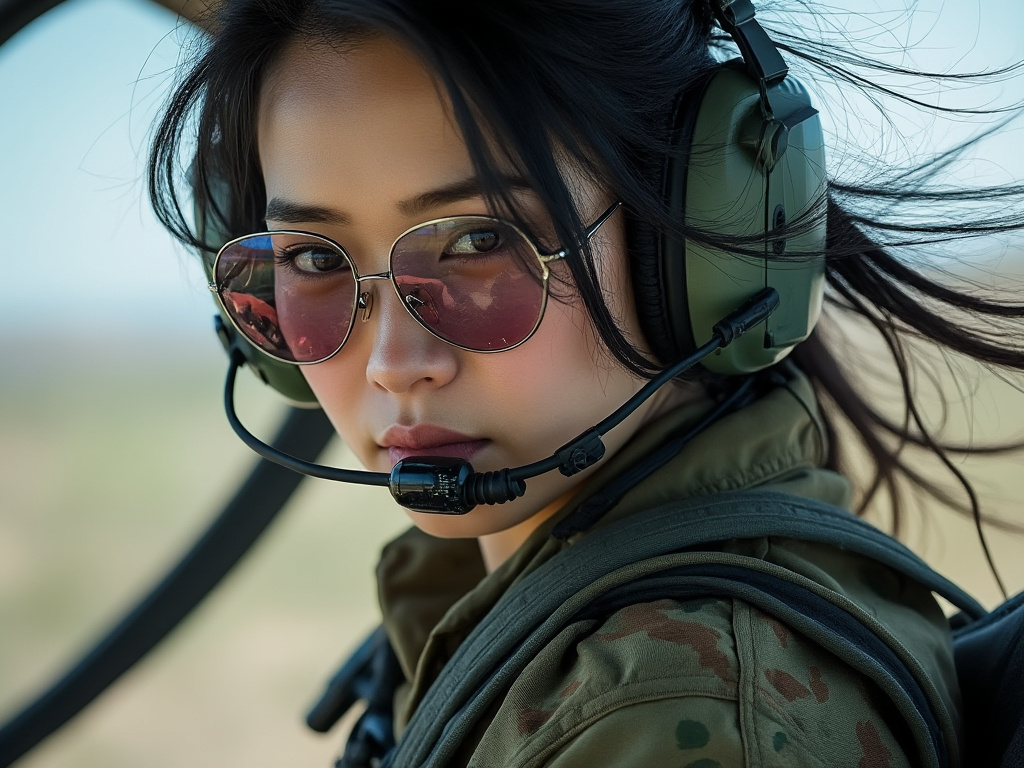
Japan’s connection to Armistice Day spans its World War I military contributions, its interwar commemorations, and its modern joint defense traditions.
1. Japan’s Role in World War I (1914–1918)
- Allied Entry: Honoring the Anglo-Japanese Alliance, Japan declared war on Germany on August 23, 1914.
- Pacific and Asian Campaigns: Imperial Japanese forces seized German-held territories in the Pacific (including the Mariana, Caroline, and Marshall Islands) and besieged the German fortress of Tsingtao (Qingdao) in China, forcing its surrender in November 1914.
- Global Naval Operations: The Imperial Japanese Navy (IJN) patrolled the Pacific and Indian Oceans, assumed patrol duties around Hawaii in 1917 so the U.S. Navy could deploy to the Atlantic, and sent a destroyer squadron to Malta that escorted nearly 800 Allied troop and supply ships across the Mediterranean Sea.
- Siberian Intervention: In August 1918, Japan joined the United States and other Allied nations in deploying troops to Vladivostok to rescue the stranded Czechoslovak Legion and guard Allied military supplies along the Trans-Siberian Railway.
2. The 1918 Armistice and Interwar Observances (1918–1930s)
- Signing of the Armistice: As one of the five major Allied powers, Japan participated in the Allied armistice negotiations and signed the 1919 Treaty of Versailles, securing a permanent seat on the Council of the newly formed League of Nations.
- Victory Celebrations in Japan: When news of the November 11, 1918 Armistice reached Japan, Tokyo and other major cities held massive public celebrations, lantern parades, military reviews, and official banquets attended by Japanese leaders and Allied diplomats.
- Interwar Commemorations (Kyūsen Kinenbi): Throughout the 1920s and early 1930s, November 11 was observed in Japan by the Imperial military, Allied embassies, and international communities, including formal memorial services at the Yokohama Foreign General Cemetery and in Kobe to honor fallen Allied service members. These observances faded in the late 1930s as Japan’s geopolitical alignment broke away from the Western Allies.
3. Modern Observances of November 11 in Japan
- Joint U.S.–JSDF Base Ceremonies: On shared and co-located military installations across Japan—such as Yokosuka, Sasebo, and Yokota—November 11 is actively observed with Veterans Day, Armistice Day, and Remembrance Day ceremonies. Personnel and leadership from the Japan Maritime Self-Defense Force (JMSDF) and other JSDF branches participate alongside U.S. and Commonwealth forces in wreath-layings, color guards, and moments of silence at 11:00 a.m.
- Diplomatic and Memorial Services: Embassies of Allied nations hold annual November 11 remembrance ceremonies in Tokyo, Yokohama, and Kobe. Overseas, Japanese embassies and diplomatic missions in countries where November 11 is a statutory holiday (such as France and Belgium) close in official observance.
We’re still Allies to this day, with a short interlude when the United States elected an actual communist president (Venona Intercepts, Operation Snow).
Write a comment