DIFC residential guide for smarter budgeting
- How DIFC residential prices are structured
- Budgeting for rental income
- Ready apartments versus off-plan property
- Compliance costs and purchase checks
- Ways to control the total budget
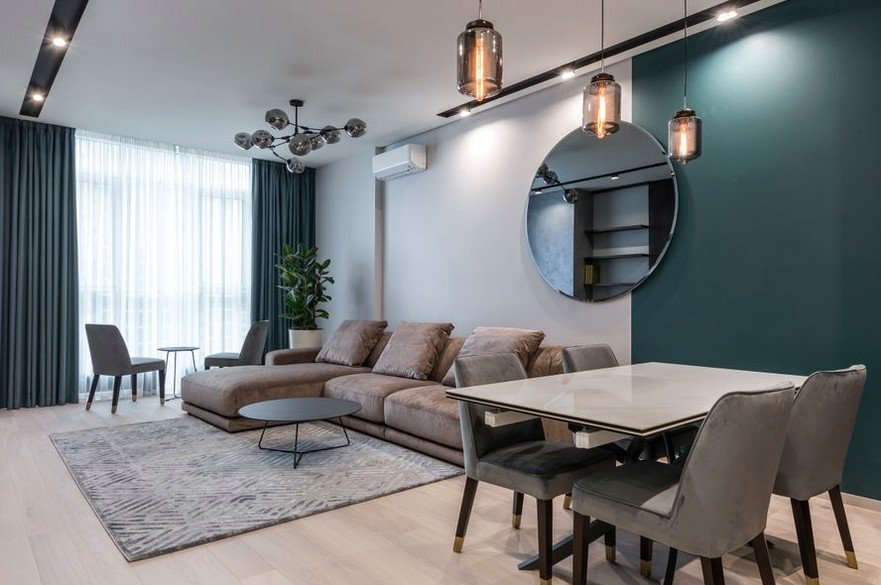
A DIFC residential purchase begins with the asking price, but the actual budget extends to service charges, maintenance, vacancy risk, and registration or legal costs confirmed under current DIFC rules. Studios are listed from AED 1,250,000, while penthouses begin at AED 8,893,500. These are lower-end asking prices, not completed sale prices. Comparing the full cost of ownership is essential when choosing between a ready apartment and an off-plan unit.
How DIFC residential prices are structured
Prices vary according to apartment size, building, condition, floor, view, and handover status. Available properties include studios and one-, two-, three-, and four-bedroom apartments, as well as duplexes and penthouses in selected mixed-use towers.
The reported median DIFC property price is AED 3.52 million. The median asking-price index reached AED 3,183 per sq. ft. in October 2026. These figures provide a district-level benchmark, but buyers should still compare similar units in the same building.
A studio priced at AED 1,250,000 may suit someone seeking a lower entry price or a compact rental unit. A penthouse starting at AED 8,893,500 requires a far larger capital commitment. Its rental income should be assessed against the purchase price, service charges, upkeep, and possible vacant periods.
Budgeting for rental income
Annual asking rents start at AED 65,000 for a studio and AED 75,000 for a one-bedroom apartment. The listed starting rent for a penthouse is AED 2,300,000 per year. These are the lowest asking rents by category, not typical rents or guaranteed income.
For a basic gross-yield calculation, divide the annual rent by the purchase price. A studio bought for AED 1,250,000 and rented for AED 65,000 produces a gross yield of about 5.2% before expenses. This calculation excludes service charges, repairs, insurance if applicable, leasing costs, vacancy, and any other charge confirmed during the transaction.
The reported gross rental yield for DIFC apartments was 5.5% in April 2026. Building charges and maintenance can reduce the landlord’s net income. Vacancy has the same effect, so a projection based on uninterrupted occupancy may overstate the likely return.
Ready apartments versus off-plan property
Ready apartments generally suit buyers who need immediate occupancy or want to inspect the building before committing. Established towers also have an operating history, which helps buyers review service charges, maintenance standards, facilities, and rental demand.
Off-plan property may come with a different payment schedule, but the buyer must assess the handover date, contract terms, construction progress, and financial impact of waiting. During construction, the buyer may have no rental income while capital remains committed.
For a rental investor seeking near-term income, a handover-ready apartment is usually the more practical option. Off-plan property requires closer scrutiny when delayed income, uncertain final costs, or a long holding period could put pressure on the budget.
Compliance costs and purchase checks
DIFC maintains its own property register for purchases, and long-term leases are registered under DIFC property rules. Before paying a deposit, confirm how the transaction will be recorded, which documents the buyer must provide, and which charges apply to the selected property.
No complete schedule is provided for registration, transfer, legal, mortgage, or administrative fees. Treat these as separate budget lines instead of assuming they are included in the advertised price. Request a written cost statement that separates the property price from every required charge.
The budget should also reflect the unit’s intended use. Someone planning to occupy the apartment needs to check its handover status and building condition. A landlord should verify lease-registration requirements, permitted leasing arrangements, and the documents required to register the tenant.
For a broader property review, the DIFC residential guide can help organize comparisons between buildings, unit types, prices, and local amenities. Use it as a starting point, then confirm the financial and contractual details for the specific apartment.
Ways to control the total budget
- Set the maximum all-in budget before deciding on the maximum advertised purchase price.
- Compare price per sq. ft. only among similar units in comparable buildings.
- Request the latest service-charge information before calculating rental yield.
- Model at least one vacant period rather than assuming continuous occupancy.
- Keep ready-property income separate from off-plan projections because their timelines differ.
- Reserve funds for maintenance and compliance-related administration.
Location also affects the practical value of a unit. DIFC apartments are close to offices, restaurants, shops, galleries, Financial Centre metro station, and major roads. This concentration may support tenant demand, but it does not guarantee a particular rent or resale price.
Is AED 1,250,000 enough for a DIFC apartment?
AED 1,250,000 is the listed starting price for a studio. The final budget must also cover confirmed transaction charges, service costs, maintenance, and potential vacancy.
Are DIFC rental yields calculated net of expenses?
No. The cited 5.5% figure is a gross rental yield. Service charges, maintenance, and vacant periods can reduce the landlord’s actual return.
Is a ready apartment safer for a rental investor?
Usually, yes, when immediate income matters. The buyer can inspect the building and review operating costs, while off-plan property carries construction and handover timing risk.
What should buyers verify before signing?
Confirm the DIFC property-registration process, lease requirements, service charges, building condition, payment terms, and every additional fee in writing.
- Reference: https://difcdubai.ae/
Write a comment