Reading the teacher cat short story for kids
- The story’s route from park to lesson
- How the narrative changes direction
- The cat’s longer journey
- Receiving the story with children
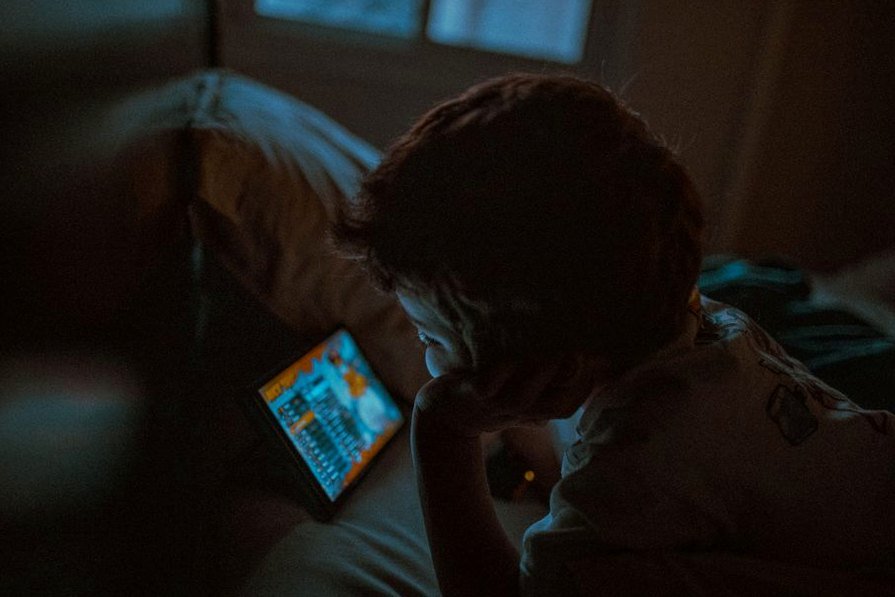
The story’s route from park to lesson
The teacher cat short story for kids follows a clear route: a child wanders into an overgrown city park, frightens an old cat, and meets a stranger who challenges his manners. The stranger turns out to be the cat, and his tale explains how he became a teacher. For young readers, the park bench acts as the story’s central stop, where a careless joke turns into a conversation about kindness and learning.
This is a fictional journey, not a freight account. The story names no delivery regions, transport hubs, shipping schedules, or cargo-receiving procedures. Its movement takes place through streets, a neglected park, a family home, and the generations of students the cat teaches. That distinction matters if you are looking for regional logistics: the text offers a sequence of places and events, not practical route data.
How the narrative changes direction
At first, the narrator treats the park as a place to wander and the sleeping cat as a target for a prank. He shouts, the cat runs away, and the boy laughs. The next encounter on the same bench changes the direction of the scene. An old man asks for a seat, and the narrator refuses because other places are free. The man then points out the contradiction between what the boy claims to have learned at school and how he treats others.
The bench works like a transfer point between two parts of the tale. Before it, the boy acts without considering another creature’s feelings. After it, he listens and asks questions. The old man’s revelation—that he is the cat from the park—connects the opening prank to the lesson that follows, so children can track cause and consequence rather than treating the magical turn as an unrelated surprise.
The cat’s longer journey
The old man tells how a clever kitten gathered knowledge by living with different families. When a child could not sleep, the cat purred stories; later, he wanted to explain the stars and the world to a girl, but could not speak as a cat. Under the full moon, he changed into a human. He then helped a sick child’s family with herbs and went on to teach young people, who in turn taught others.
That history carries the tale across places and generations. The kitten travels between households, the transformed cat returns to help people, and students pass knowledge onward. These are the story’s real routes. It does not specify distances or travel times, so readers should not infer a map or regional itinerary from the repeated journeys.
The tale also gives its teacher a particular motive: he wants to share what he has learned and find someone capable of carrying that knowledge forward. His many lives explain why he survives across generations in the story’s own fantasy logic. They do not turn the story into a factual account of cats or teaching history.
Receiving the story with children
For a read-aloud, pause at the moment when the old man asks why the boy frightened the cat. Children can consider the difference between knowing a rule and acting with care. The narrator’s admission that he was uninterested in good manners makes the exchange direct, while the cat’s identity gives the lesson a magical frame.
You can find the teacher cat short story for kids and read it with a child, stopping to follow the changing setting: city streets, the overgrown park, the family home, and the night sky. The supplied story ends with the cat disappearing and the narrator searching for him, so readers can discuss what the boy might do differently if he finds the cat again.
Before reading, ask the child to notice each place the cat visits and what he learns or gives there; which stop in that journey would they want to talk about first?
Write a comment