The Black Locust Tree and Why You Want Many
The Black Locust Tree and Why You Want Them.
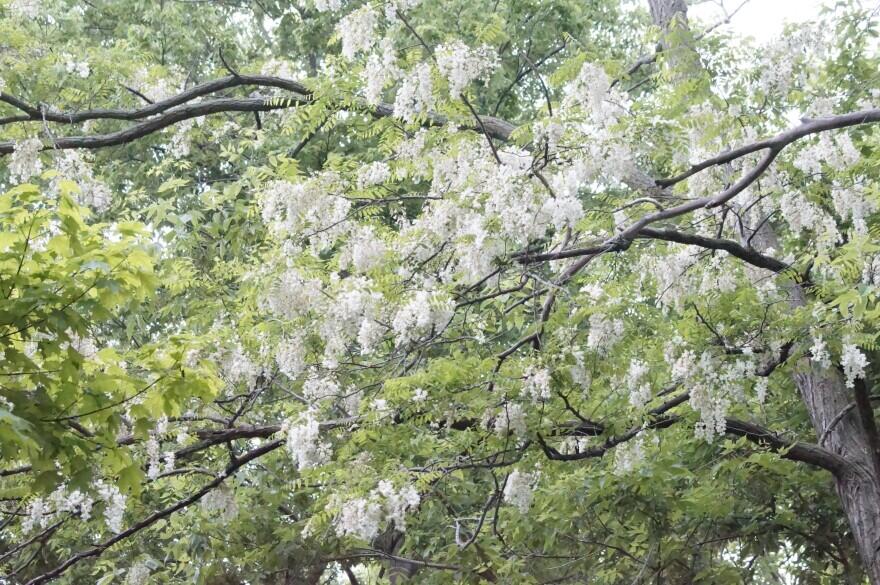
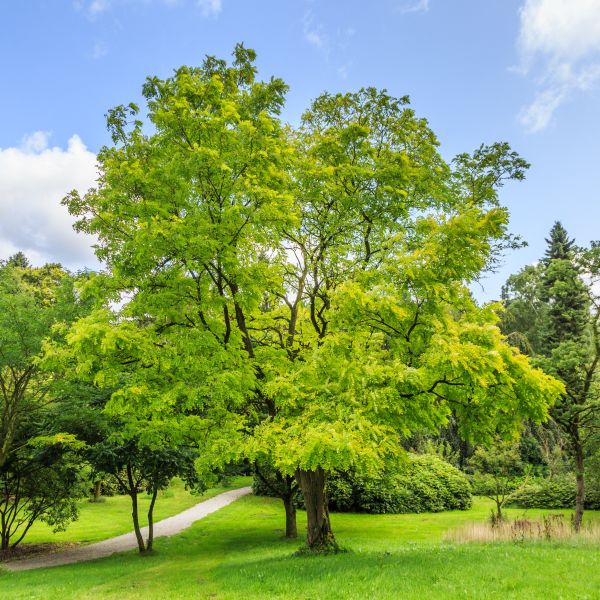
- Black Locust can grow up to 170 ft tall
- Grows 3-4 ft. per year
- Native to North America
- Cold hardy in zones 3 to 8
- Firewood
- Timber
- Legume
- Bees
- Shade Provider
- Wind-break
- Fodder
Black Locust can grow up to 170 ft tall
Grows 3-4 ft. per year
Native to North America
Cold hardy in zones 3 to 8
Firewood
- BLT wood, on a pound for pound basis is roughly half that of Anthracite Coal
- Since its growth is fast, firewood can be plentiful
Timber
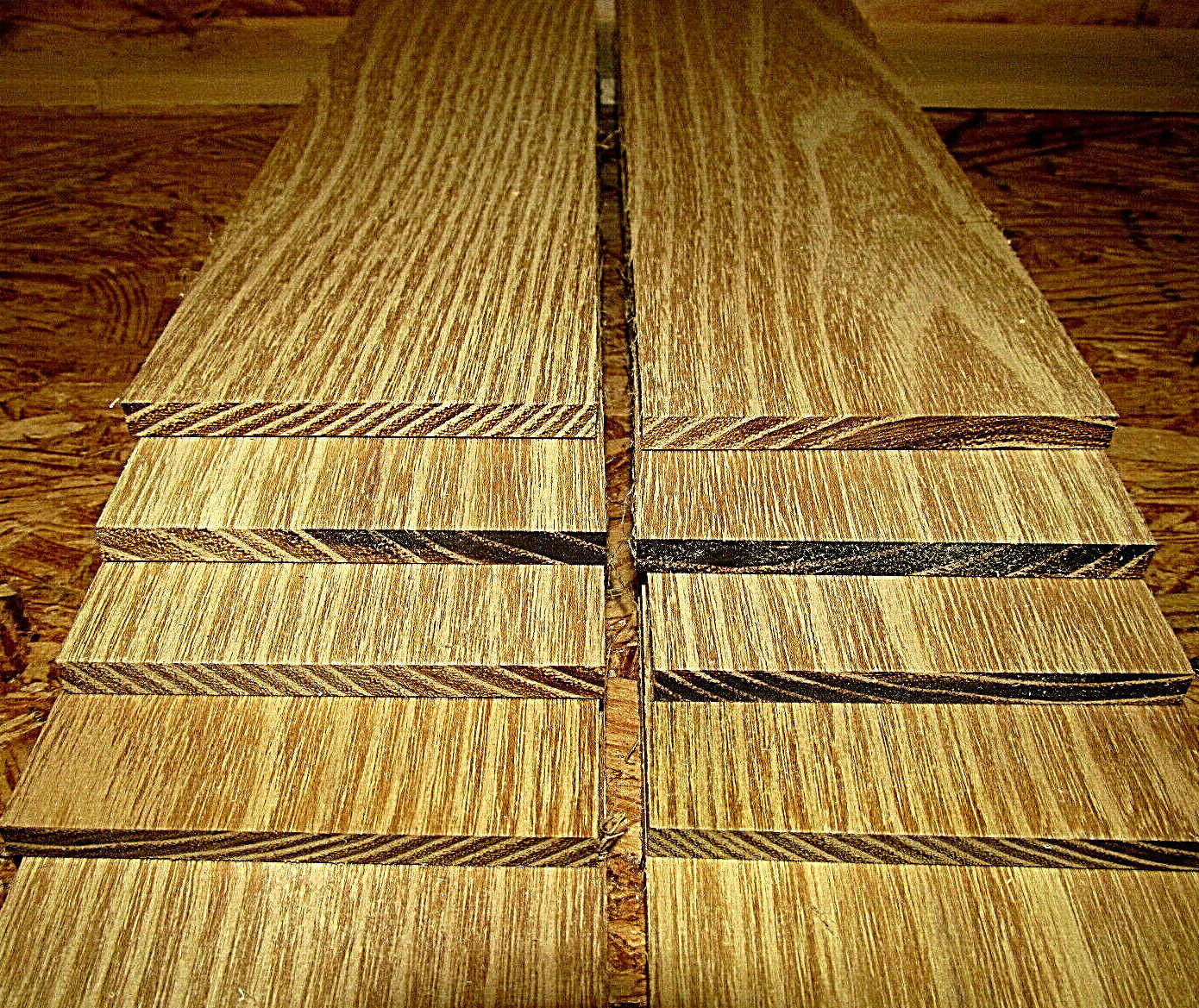
- Rot resistant due to a naturally produced robinin in the wood
- 100 year life span in full soil contact! (better than cedar performance)
- Fence posts
- Outdoor furniture
- Outdoor decking
- Sustainable due to its fast growth and spread
- Can be coppiced (cut to the ground)
- Can be pollarded (cut above ground)
- Its dense wood makes durable tool handles, boxes (tool), and furniture
- The wood is tougher than hickory, which is tougher than hard maple, which is tougher than oak.
- A very low rate of expansion and contraction
- Hardwood flooring
- The highest tensile beam strength of any American tree
- The wood is beautiful
Legume
- Nitrogen fixer
- Fixes the same amount of nitrogen per acre as is needed for 200-bushel/acre corn
- Black walnuts inter-planted with locust as “nurse” trees were shown to rapidly increase their growth [[Clark, Paul M., and Robert D. Williams. (1978) Black walnut growth increased when interplanted with nitrogen-fixing shrubs and trees. Proceedings of the Indiana Academy of Science, vol. 88, pp. 88-91.]]
Bees
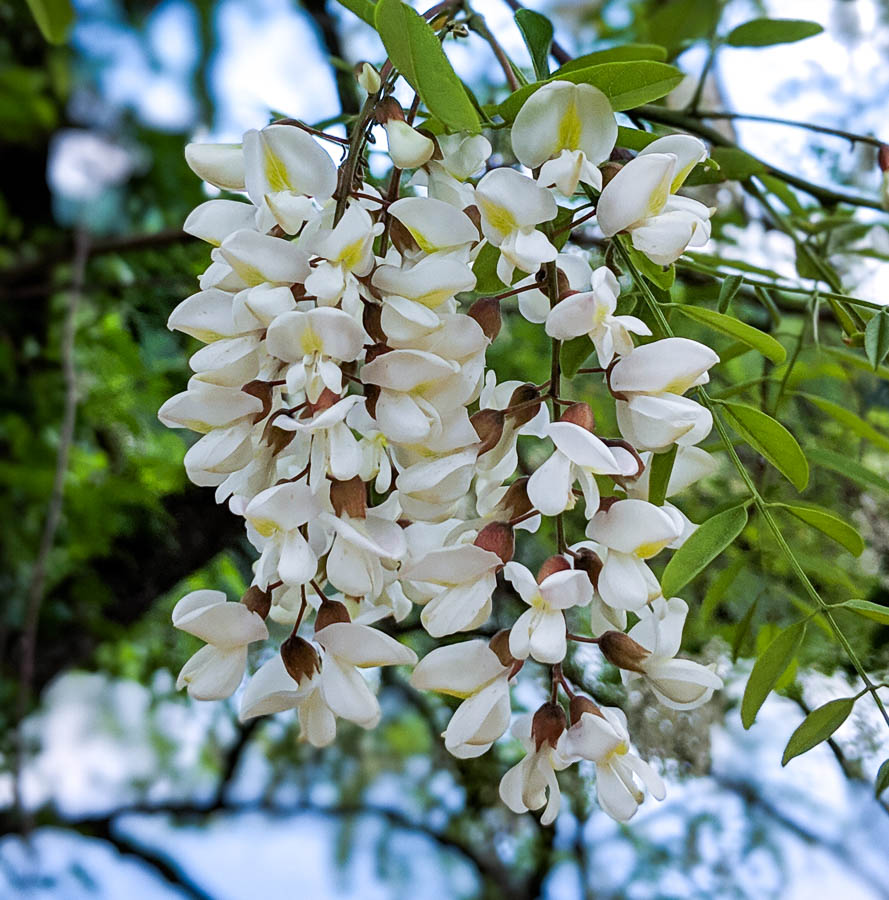
- The edible flower clusters are also a top food source for honey bees
Shade Provider
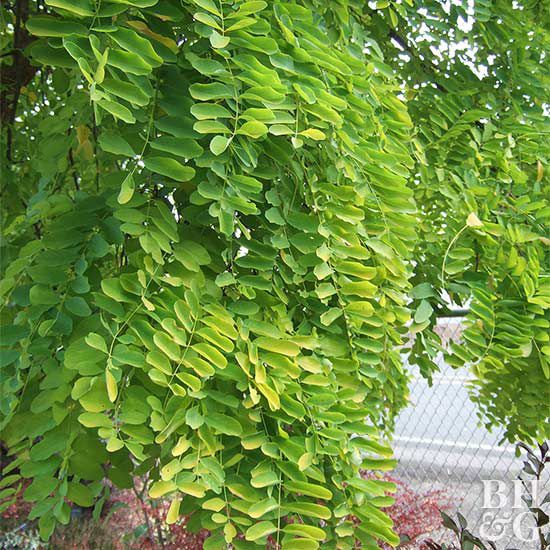
- Its light, airy overstory provides dappled shade
- Planted on the west side of a garden it provides relief during the hottest part of the day
- (nitrogen provider)
- Planted on the west side of a house, its quick growth soon shades that side from the sun
Wind-break
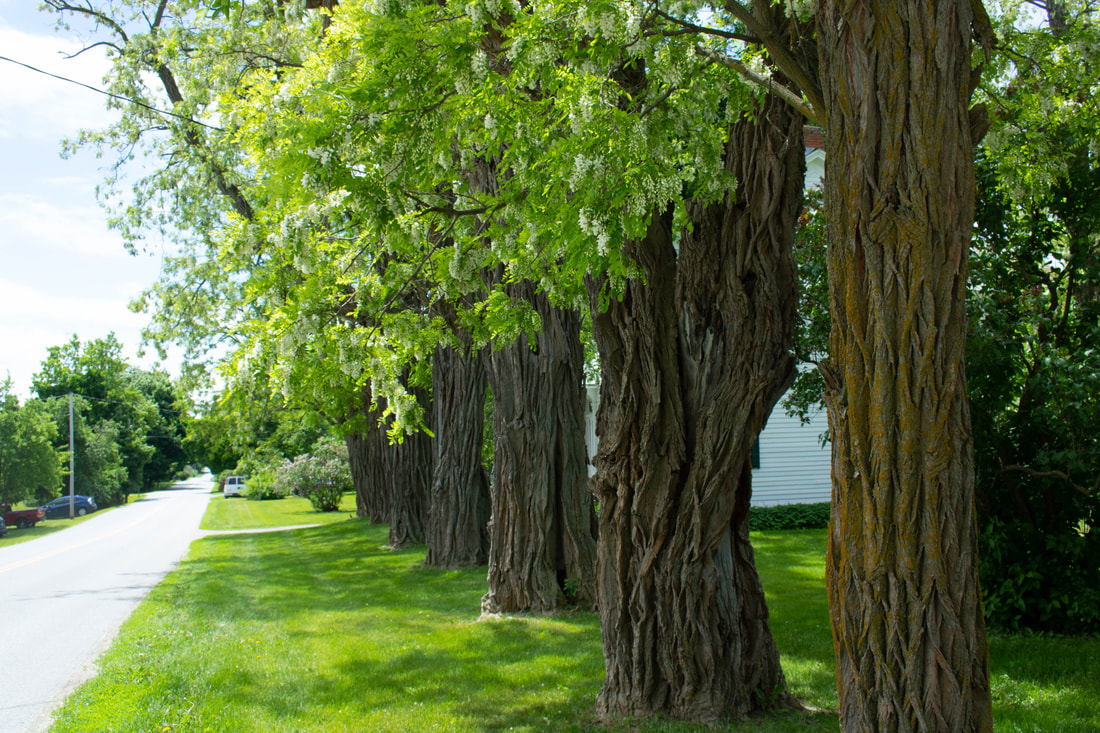
- Fast growth plus it’s feathery foliage reduces wind for animals, crops, and shelters
Fodder
- Over 20% crude protein
- 4.1 kcal/g of energy
- Baertsche, S.R, M.T. Yokoyama, and J.W. Hanover (1986) Short rotation, hardwood tree biomass as potential ruminant feed-chemical composition, nylon bag ruminal degradation and ensilement of selected species. J. Animal Sci. 63 2028-2043
Write a comment