Children's fairy tale about a little rabbit and a horse
- Verifying the Story’s Emotional Premise
- Inspecting the Story’s Structure for Young Readers
- How the Story Reinforces Its Central Lesson
- Bringing the Story’s Themes Together
- Acceptance Checklist for Parents and Educators
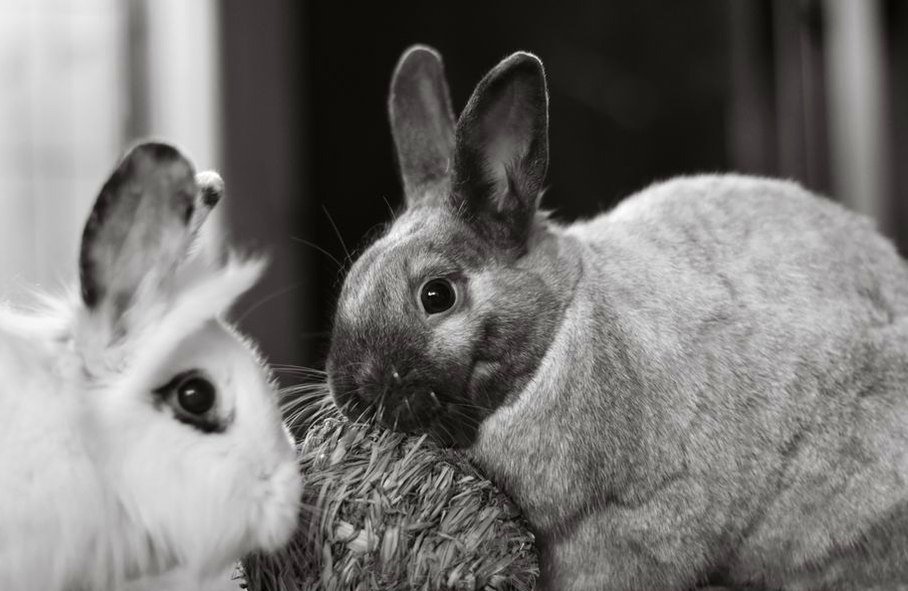
When a story becomes part of a child’s bedtime routine, it can offer a meaningful lesson without announcing that it is teaching one. This particular children’s fairy tale about a little rabbit and a horse takes that approach. Peach the rabbit travels through a winter forest in search of a friend. Along the way, he discovers that the friendship he wants has been beside him all along.
Verifying the Story’s Emotional Premise
The story’s central conflict comes from a feeling that young readers can recognize: the assumption that what they need must be somewhere else. Many children’s stories create tension through villains, accidents, or sudden danger. Here, the tension begins with Peach’s loneliness and his belief that the forest may hold the companionship he cannot find at home.
Peach is a farm rabbit with peach-colored fur that stays the same through winter. A hare, a magpie, and a squirrel each dismiss him, warning that his coat makes him too visible against the snow and that he will come to grief. None of them offers friendship. The forest is presented as a place where “everyone looks out for themselves,” so Peach’s loneliness feels genuine rather than exaggerated.
That foundation gives the later resolution credibility. As Peach moves through the forest, a child can share his growing doubt and wonder whether friendship really is nowhere to be found. The eventual change in his understanding feels earned because the story has first allowed the loneliness to remain unresolved.
Inspecting the Story’s Structure for Young Readers
The narrative follows a clear pattern suited to children between four and eight years old. Peach meets three forest animals, the hare, the magpie, and the squirrel, and each refuses him in a slightly different way. The repeated encounters build a familiar rhythm and establish the forest’s indifference. By the third refusal, a child understands what Peach has come to expect, so the arrival of the wolf creates real tension.
The wolf disguises a threat as an offer of friendship: “Let’s be friends. I won’t hurt you.” This moment gives older children a useful opening to discuss sincerity and behavior. Peach can see that the wolf’s words do not match his actions. The wolf keeps moving closer while speaking and clicks his teeth. The story does not stop to explain the danger; it lets the child notice it through the scene.
Starlet the horse then enters the story in a way that fits the established world. She is named for the white star on her forehead and arrives because she went looking for Peach, not because someone summoned her. When she rears up against the wolf, he backs down after seeing that she will not flinch. The rescue is physical, direct, and believable within the story.
How the Story Reinforces Its Central Lesson
Peach’s understanding develops through memory rather than through a final moral statement. While facing the wolf, he remembers Starlet sharing carrots with him. He recalls bringing apples from her favorite tree, riding on her back, and listening to her stories about trips to town. These small experiences show that their friendship was already present. Peach had simply failed to recognize it.
That approach gives children something concrete to consider. Friendship appears through repeated everyday actions rather than through a formal definition. Parents and educators can pause during the reading and ask, “Who does Peach already have with him?” The details in the story lead naturally to the answer.
The farm also provides a clear contrast with the forest. Its animals “live in harmony and each is ready to help the other,” while the forest animals focus on protecting themselves. The story makes the distinction through behavior and atmosphere instead of having a character explain which place is better.
Bringing the Story’s Themes Together
The winter setting keeps Peach physically apart from the farm and reflects the isolation he feels. His fur makes him stand out against the snow, marking him as different from the animals he meets. Yet the story never treats that difference as a problem he must solve. When Peach returns to the farm, he is still wearing his peach-colored coat. Belonging does not require him to change his appearance.
Starlet’s return gift, an apple Peach had saved for her, quietly completes the story’s emotional pattern. Friendship is expressed through a saved apple, the familiar smell of hay and wild flowers, and the comfort of a stable in winter. These details are small, but they match the way young children often experience closeness through ordinary acts of care.
Acceptance Checklist for Parents and Educators
- The central conflict, believing that friendship must be found somewhere else, is relatable and presented honestly rather than created through danger alone.
- The three forest encounters use deliberate, age-appropriate repetition. Each refusal differs enough to keep the pattern engaging.
- The wolf scene can support a conversation about false offers of friendship without overwhelming the story’s main lesson with fear.
- The rescue comes from a character already established in the story, not from a convenient stranger.
- Peach reaches the central insight through his own memories and recognition, rather than through an adult explanation or closing moral.
- The resolution leaves Peach unchanged in an important respect: his fur remains peach-colored, reinforcing that belonging does not require conformity.
- The final gesture, a saved apple, is concrete and modest, making it accessible to young children who often express friendship through daily acts of care.
Write a comment