Bitcoin, the Organism
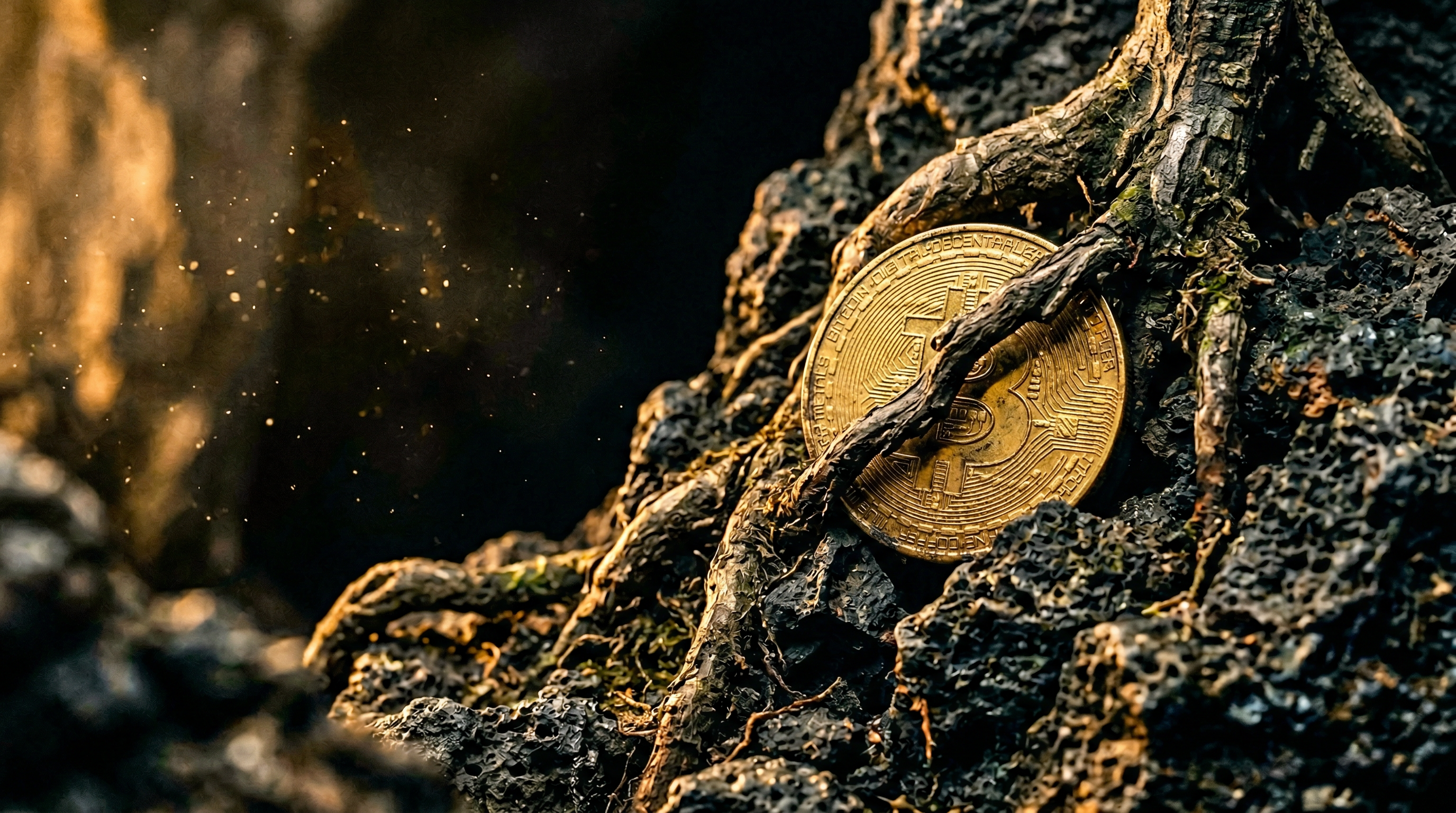
Nobody designed the internet to survive a nuclear war. It just kind of did, because the architecture made it resilient by default. Bitcoin works the same way. Miners, nodes, developers, users, exchanges, all of them coordinating around a set of rules that nobody can unilaterally change. The 21 million cap is the DNA. Everything else is the organism growing around it.
That framing matters more than most people realize.
Alive in the Only Way That Counts
Biological organisms adapt to survive. They face environmental pressure, and the ones that make it through tend to be the ones that can absorb the hit and keep reproducing. Bitcoin has done this for over seventeen years now. China banned mining in 2021, and hashrate migrated in months. Regulators threatened exchanges, and peer-to-peer markets expanded. The block size wars nearly split the community, and consensus held on the conservative path.
Each time, the protocol absorbed the shock without a CEO making a phone call or a board voting on a pivot. Open-source upgrades, social consensus, and economic self-interest handled it. HODL, self-custody, “don’t trust, verify” are all behavioral patterns that spread memetically, selecting for the traits that make the network harder to kill. They function like genes, passing from one cohort of users to the next, getting stronger with each cycle.
Harder Than Gold
Gold’s stock-to-flow ratio sits around 60, meaning it would take roughly 60 years of current production to double the existing supply. Bitcoin’s ratio already exceeded that after the 2024 halving, and it doubles again every four years. By the 2028 halving, no commodity on earth will come close.
There’s a mechanical difference that separates Bitcoin from every other scarce asset. When gold prices rise, miners dig deeper, open new deposits, invest in better extraction tech. Supply responds to demand. With Bitcoin, price can go to a million dollars and the issuance schedule won’t budge. 3.125 BTC per block, halving roughly every 210,000 blocks, trending to zero. Demand shocks express almost entirely through price. That’s the definition of hard money.
Institutions are starting to figure this out. Corporate treasuries, sovereign wealth discussions, ETF inflows from pension allocators who five years ago wouldn’t touch the asset class. The narrative shifted from “speculative gamble” to “asymmetric reserve position” faster than most predicted.
The Tipping Point
Hyperbitcoinization is a word that sounds dramatic until you look at the numbers. Exchange balances are at multi-year lows. Long-term holder supply keeps climbing. Hashrate hit all-time highs repeatedly through 2025 and into 2026. Every metric that would signal “people are slowly migrating out of fiat and into a harder base layer” is pointing in the same direction.
Each halving compresses new supply while institutional demand from ETFs, corporate treasuries, and sovereign buyers grows. You don’t need a grand conspiracy or coordinated effort for that pressure to resolve upward. You just need math and enough people doing the same calculation independently.
Why the Framing Matters
Call Bitcoin a technology and people think it can be replaced by a newer version. Call it an investment and people measure it against quarterly earnings. Call it what it actually is, a living system of human incentives wrapped around an immutable monetary protocol, and the competitive dynamics become clear.
Humans strengthen Bitcoin. They build infrastructure, educate new users, defend it politically, and run nodes in their closets. Bitcoin strengthens humans back. It gives them an exit from capital controls, currency debasement, and permissioned financial rails. That’s symbiosis. Both sides of the relationship get more resilient over time.
If that feedback loop continues, and seventeen years of evidence suggests it will, Bitcoin doesn’t need a government decree or a corporate mandate to win. It just outcompetes weaker monies along the margins, year after year, halving after halving, until it becomes the default settlement layer for savings and value transfer worldwide.
The organism doesn’t ask permission. It adapts, grows, and persists.
Write a comment