How to See All Phases in Palm Springs
- Why Phases Matter More Than Listings
- Step One: Pull the Complete Release Schedule
- Step Two: Verify What Each Phase Actually Contains
- Step Three: Check the Community Context
- How Buyers Create Costly Delays
- Checklist Before You Pay a Deposit
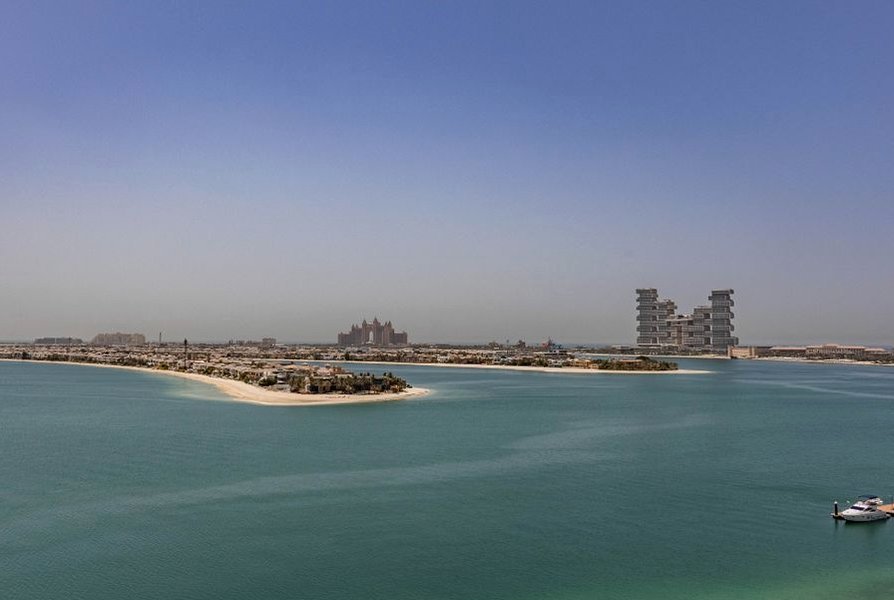
Palm Springs is a Nakheel master community in southern Dubai where every home is sold off-plan, so the only way to compare what you are actually buying is to review the full release map before committing. The community launched in November 2026 with two neighbourhoods of each housing type open for sale, and later releases will follow a different schedule and likely different pricing. This guide walks through how to inspect all phases, verify each stage, and avoid the delays that cost off-plan buyers the most money.
Why Phases Matter More Than Listings
The masterplan covers 382 hectares split into 15 neighbourhoods: 11 for townhouses and four for villas. Phase 1 alone comprises roughly 500 homes, with construction completion estimated for October 2030. Buying in the first release means a longer wait for the full community to exist around you, but access to launch pricing. Later phases may bring apartments and a mixed-use core, which changes both the living environment and the resale story of an early unit.
Step One: Pull the Complete Release Schedule
Start by looking at every project currently listed rather than a single advertised unit. You can see all phases in Palm Springs on the developer-linked project page, where each release appears with its property type, payment plan, handover date, and starting price. At launch, the active listings are Aliso One by Nakheel (townhouses from AED 3,800,000, handover Q4 2030) and Rancho One by Nakheel (villas from AED 7,000,000, same handover window). When a third or fourth neighbourhood appears, compare it against these two baselines before assuming it is better or worse.
Step Two: Verify What Each Phase Actually Contains
Check the housing type and density first. Townhouses in Aliso are arranged in blocks of four or six, ranging from 2,328.6 sq ft for a three-bedroom mid unit to 3,115.4 sq ft for a four-bedroom G+2 corner unit. Villas in Rancho sit on larger, individual plots. If you are comparing an early townhouse against a later villa release, you are comparing two different products with different buyer demand, not two versions of the same asset.
Next, verify the handover timeline against your own plans. Both current projects are scheduled for Q4 2030, which is roughly a four-year wait from launch. A 60/40 payment plan spreads the majority of the price across the construction period, with the final 40% due at handover, so your cash flow commitment runs parallel to the build, not before it.
Step Three: Check the Community Context
More than 30% of the masterplan is reserved as open space, and over 35 km of walking, jogging and cycling routes are planned, connected by the Central Spine and Sunset Avenue. These are planned features, not built ones. When you evaluate a phase, ask which surrounding elements are scheduled before your handover and which arrive years later. A home handed over in 2030 will sit inside a partially built community, and that gap affects both rental expectations and early resale pricing.
How Buyers Create Costly Delays
The expensive mistakes in off-plan purchases rarely come from the developer’s schedule. They come from financing assumptions. If you expect a mortgage to cover the handover payment, arrange bank pre-approval early; Dubai lenders assess off-plan units against specific project and developer criteria, and a late rejection at handover triggers penalty exposure under the purchase contract. The second common error is buying a unit type from a phase that does not match your exit strategy: a large corner townhouse bought for rental income can underperform a standard mid unit with the same tenant demand but a lower entry price.
Checklist Before You Pay a Deposit
- Confirm the exact phase, neighbourhood name, and unit position within the block, not just the bedroom count.
- Compare the starting price against both current listings, from AED 3.8M for townhouses to AED 7M for villas, so you know whether an offer is priced to phase or to type.
- Read the 60/40 payment schedule and map each instalment against your own income dates.
- Verify the written handover date and what the contract says about delay remedies.
- Ask which community infrastructure around your phase completes before your handover, and what arrives after.
- Register interest with a licensed brokerage and confirm registration fees before transferring any funds.
Once those six points check out, you are buying a specific unit inside a specific phase on known terms, and the remaining variable is simply construction progress between now and 2030.
- Reference: https://palm-springs-dubai.ae/projects/
Write a comment