Choosing the disobedient chick short story for kids
- Match the format to the audience
- Compare delivery plans for different batch sizes
- Estimate the timeline before preparing a batch
- Choose transport based on the teaching purpose
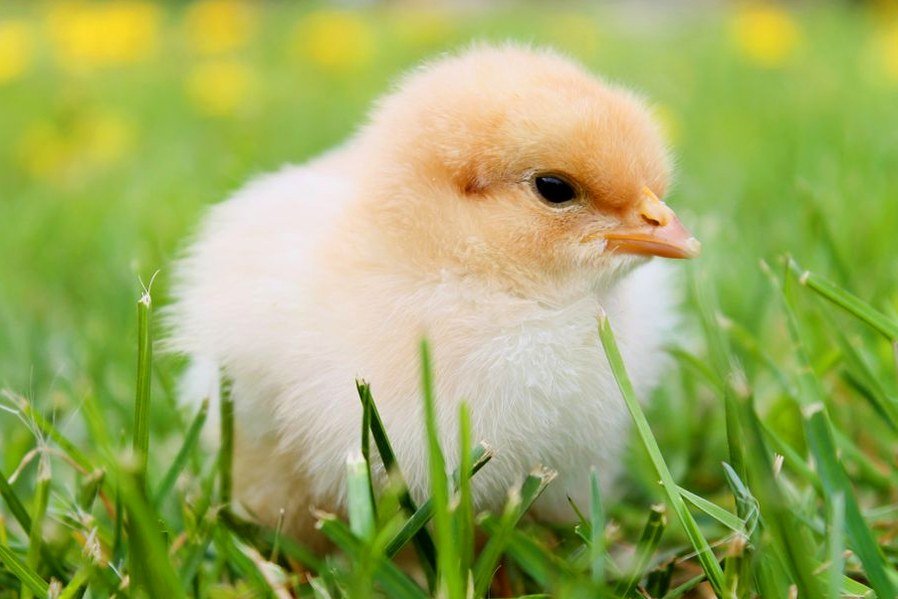
The right way to share this story depends on audience size and chosen format. For one child, a read-aloud or single digital copy is usually the quickest option. In a classroom, one shared teacher copy may require less preparation than printing every page. Planning should also account for reading time, preparation, and whether children need their own copies for discussion or written work.
Match the format to the audience
For one child or a small family group, an adult can read the story aloud without any physical delivery. The story begins as soon as the reader opens the text. Its changing scenes help maintain attention: the hen searches for worms, two chicks argue over food, and the wandering chick encounters danger in the tall grass.
A digital copy suits a child who reads independently or a parent who wants to return to the story later. No physical weight means one copy can reach several readers without packing or delivery delays. Screen use can be less suitable for younger children, particularly when they benefit from following a printed page while listening.
A printed copy is useful when children need to underline words, draw the yellow chick, or retell the sequence of events. One copy can serve a parent and child. A classroom may need several copies for group activities. Preparing the physical format takes longer, but the result can be reused as a teaching item.
Compare delivery plans for different batch sizes
For one to three readers, a single digital or printed copy is usually enough. Sending several identical paper copies adds handling without improving the reading experience. An adult can read the story aloud, pause when the cat approaches, and ask what the chick should have done.
A small group of four to ten children can work from one teacher copy during a read-aloud session. If children need to follow the words themselves, prepare one copy for every two readers. This reduces paper while keeping everyone involved.
Individual copies become more useful in a larger class when the lesson includes vocabulary, sequencing, or written answers. A shared copy remains suitable for oral storytelling. The activity slows down, however, when every child needs to locate the same passage at once.
The the disobedient chick short story for kids works well in a structured classroom sequence. Read the opening, pause when the chick leaves the hen, and ask the children to predict the danger before continuing to the crow’s intervention.
Estimate the timeline before preparing a batch
Digital delivery is ready as soon as the reader opens the file. A printed batch requires time for copying, checking the page order, and distributing the material. The exact timeline depends on the school’s equipment and workflow, so any estimate should serve as a planning assumption rather than a fixed promise.
Suppose six classrooms each have 24 children. A teacher-led read-aloud requires six teacher copies if every class works separately. Individual reading requires 144 copies — 6 classrooms multiplied by 24 children. Pair reading needs 72 copies, cutting paper quantity by half while keeping every child close to the text.
Assume one read-aloud lasts eight minutes and each class adds five minutes for prediction and discussion. One session then takes about 13 minutes. Six separate sessions require roughly 78 classroom minutes, excluding preparation and movement between rooms.
Choose transport based on the teaching purpose
Use digital delivery when speed and repeated access matter most. A printed batch works better when children need to annotate, draw, or take the story home. For a large audience, one shared copy is practical for an oral lesson. Paired copies provide a better balance for reading practice.
The lesson itself can also guide the choice. Children may identify the chick’s mistake, explain why the hen became worried, and discuss whether the crow acted helpfully or unpredictably. A printed copy supports detailed written work and drawing. An oral version keeps attention on the sequence of events and the story’s emotional tension.
Before sending or preparing the story, count the readers, decide whether they need individual text, and select the smallest batch that supports the activity. This avoids unnecessary printing while keeping the story accessible to every child who will use it.
Write a comment