Learning Through the hardworking mouse fairy tale for kids
- What the story teaches
- How to calculate the activity budget
- Using the tale without compliance risks
- How to keep spending under control
- Frequently asked questions
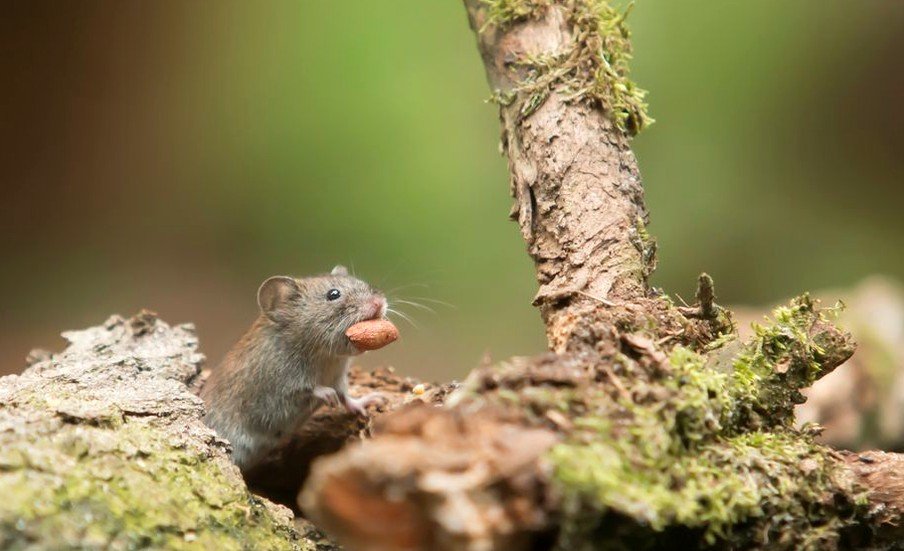
The hardworking mouse fairy tale for kids is a short story about Rosie, a gray Mouse who refuses to waste a valuable wheat stalk. She carries it home, turns the kernels into flour, bakes pies, and shares the food with Rabbit Long Ears and Squirrel Fluffy Tail. Any budget for using the story should be calculated from the chosen activity, because the tale itself contains no stated price, subscription fee, or licensing tariff.
What the story teaches
Rosie finds a wheat stalk in a forest clearing and recognizes that it may be useful. Rabbit Long Ears and Squirrel Fluffy Tail see only the burden. They advise her to throw it away, but Rosie continues carrying it to her burrow.
Her work has several stages. She threshes the wheat, separates the kernels, grinds them into flour, mixes the flour with butter, eggs, and sugar, and bakes pies with raspberry, nuts, mushrooms, and cheese. The story connects effort with a visible result that the children can understand: the heavy stalk becomes a shared meal.
The lesson also includes a social consequence. Rosie invites the two animals who doubted her, so the ending focuses on sharing rather than punishment. This gives an adult a useful way to discuss patience, responsibility, resourcefulness, and respect for another person’s work.
How to calculate the activity budget
Reading the story aloud can cost nothing beyond the adult’s time if the text is already available through a lawful source. For a classroom or home activity, separate the budget into the story, printed materials, and optional food preparation.
- When children read on a screen, the direct activity cost is usually limited to the device and the adult’s preparation time. No price for digital access appears in the story material.
- Printing adds paper, ink, and possibly binding. The total depends on the number of pages, copies, color illustrations, and the printer used.
- A wheat-themed craft may require paper, crayons, glue, or dried grains. Calculate the cost from the quantity needed for each child rather than buying supplies without a plan.
- Baking requires separate amounts for flour, butter, eggs, sugar, and the selected filling. The tale names these ingredients but gives no quantities or prices, so a reliable total requires a real shopping list.
For a simple session, reading and discussion create the lowest expense. Baking costs more and introduces practical concerns such as oven use, allergies, supervision, and food hygiene. A craft can sit between those options, especially when the group needs a hands-on task without preparing food.
Using the tale without compliance risks
Before printing or distributing the complete text, check the rights and usage terms on the page where it appears. The available material does not state whether commercial copying, classroom redistribution, adaptation, or translation is permitted. A budget should therefore include time for checking permission instead of assuming that online availability grants every use.
For a small home reading, a parent can use the available page as the reading source. For a school handout, confirm whether the full text may be reproduced. If permission is unclear, read the story from the authorized page and create original discussion questions rather than copying large sections.
The full the hardworking mouse fairy tale for kids can support a lesson built around the wheat stalk, the stages of flour-making, and the final pie-sharing scene. Those details keep the activity connected to the story instead of turning it into a generic worksheet.
How to keep spending under control
Choose the learning goal before buying materials. If the goal is comprehension, use the text and a short discussion. If the goal is sequencing, ask children to arrange Rosie’s actions from finding the stalk to serving the pies. If the goal is practical budgeting, have them divide ingredients into categories without pretending that the story supplies real market prices.
One adult can also replace a full baking session with a picture sequence. Children draw the wheat stalk, kernels, flour, dough, and finished pies. This preserves the cause-and-effect structure while avoiding food costs, oven risks, and allergy problems.
Frequently asked questions
What is the main lesson of the story?
Rosie shows that patient work can turn a modest resource into something useful. The story also presents sharing as a better response than blaming those who doubted her.
Does the fairy tale include exact ingredient costs?
No. It names butter, eggs, sugar, flour, and several fillings, but gives no quantities, currencies, prices, or shopping conditions.
Is baking necessary for a lesson?
No. Reading, sequencing cards, drawing, or a wheat-to-pie craft can teach the same story structure with less expense and fewer safety concerns.
Can the complete story be copied for a class?
Check the page’s permission terms first. The available material does not specify the conditions for reproduction, commercial use, or classroom distribution.
Write a comment