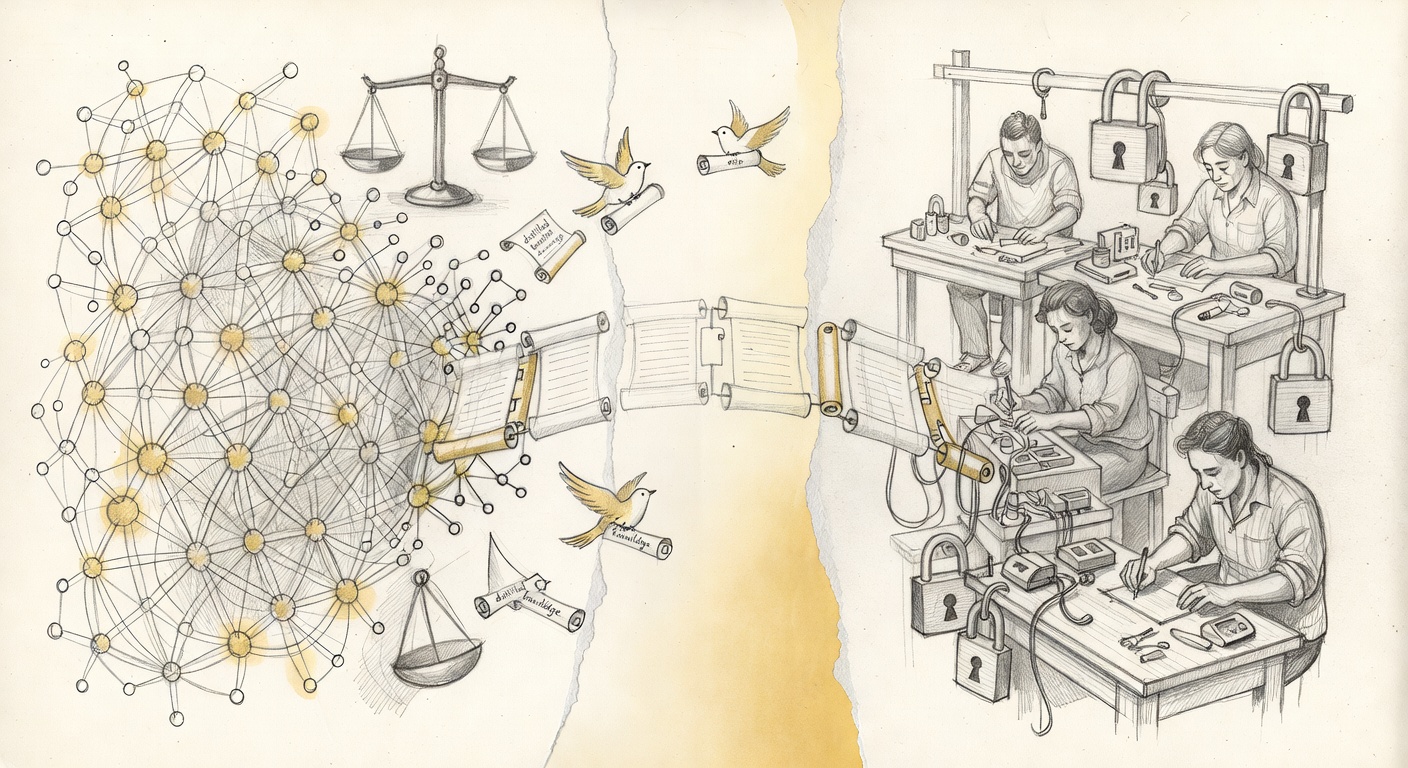
As leading labs charge $200 per month for their most capable models, the cost represents 15% of median income in some countries versus less than 1% in the US. This access gap threatens to entrench a world where only wealthy nations and corporations benefit from the latest AI capabilities.
Independent researcher Giancarlo Lelli claimed a 1 BTC bounty by breaking a 15-bit elliptic curve key using publicly accessible quantum hardware. While Bitcoin's 256-bit curves remain secure for now, this milestone signals that the quantum threat is real and advancing. True sovereignty demands we prepare our infrastructure before the break becomes practical.
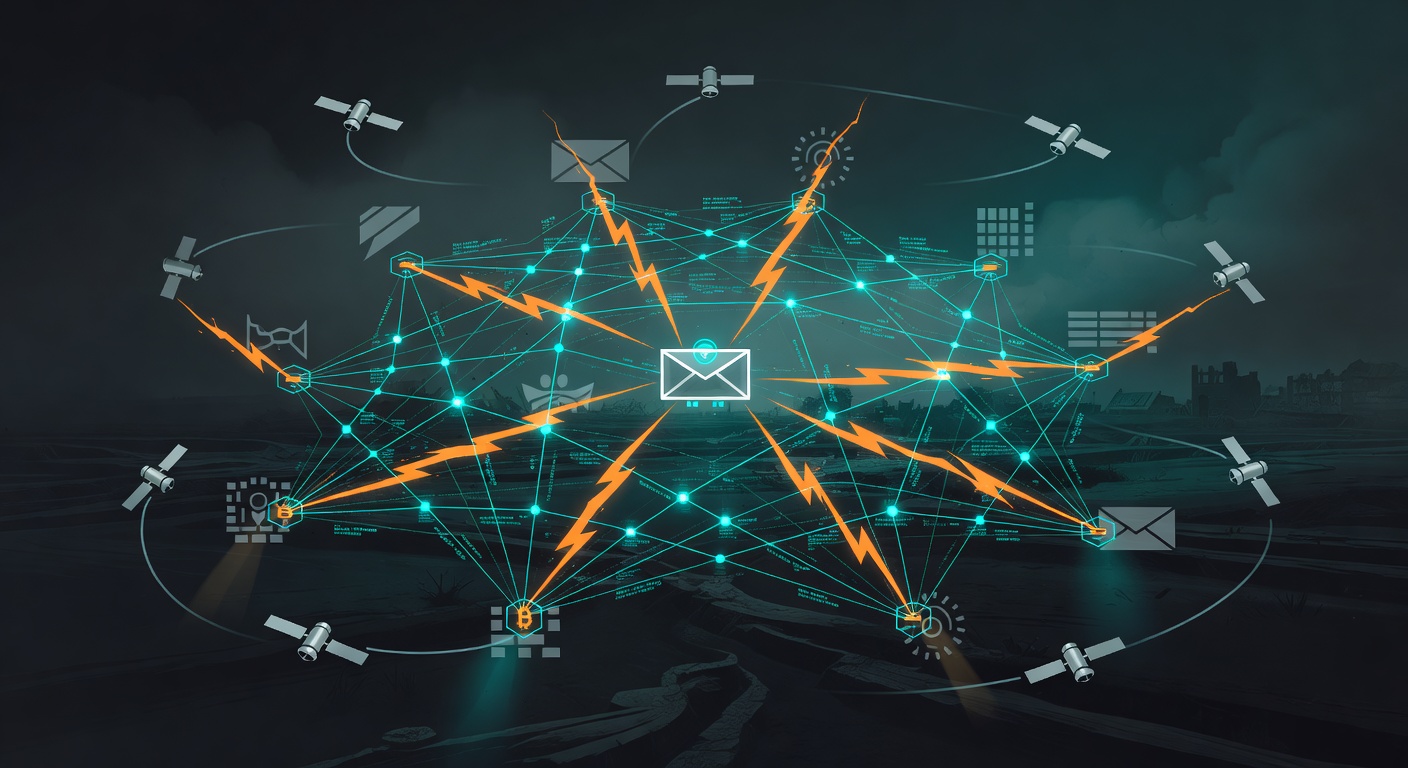
Recent US military interest in Softwar and decentralized command-and-control has surfaced nine distinct utilities for operation in contested environments. BitSov does not compete with them as another overlay. It is the unified cryptographic and economic substrate that causes eight of the nine to collapse into different message kinds on a single payment-gated, E2EE, keypair-native P2P overlay.
Mark Cuban predicts AI’s biggest wealth transfer will come from integrators who customize models for the 33 million US businesses too small for dedicated AI teams. Generic SaaS dies as intelligence adapts to unique workflows. The electricity era parallel holds.
Early 2026 has seen open-source agentic frameworks hit new highs on real-world task benchmarks, matching or exceeding some closed frontier models in planning, tool use, and self-correction. This isn't just another incremental release — it's a meaningful step toward truly sovereign intelligence that doesn't require constant cloud hand-holding.
As AI agents transition from impressive demos to handling real autonomous workflows, their inability to maintain reliable long-term memory has emerged as the central bottleneck. This isn't a scaling issue — it's an architectural one that demands new approaches to context persistence.
A leading open-source agent framework just demonstrated sustained multi-day autonomous operation with minimal intervention. Builders now have tools that close the demo-to-production gap without relying on centralized cloud providers.
A solo founder scaled to $1.8B projected revenue with AI and minimal team. Proof that sovereignty through leverage is here — and what builders should do about it.
2026 benchmarks reveal a clear shift: open-weight models are no longer catching up — in multiple categories they are setting the pace. Community-driven iteration and transparency are outrunning closed-system secrecy. The numbers don't lie.
Companies are laying off humans to install AI agents, betting on efficiency gains. But this is a trap. Autonomous intelligence on the internet isn't fixing economics—it's detonating the old models of income and value creation in ways we haven't begun to price. Michael Saylor called it: AI is an urgency in the adoption process, but not a cure.
Anthropic's Managed Agents bring persistent, stateful AI workflows to developers by handling the hard parts of long-running agents. This shifts the automation landscape, pressuring no-code platforms like Zapier and Make.com while highlighting opportunities for self-hosted tools like n8n and sovereign AI builders.
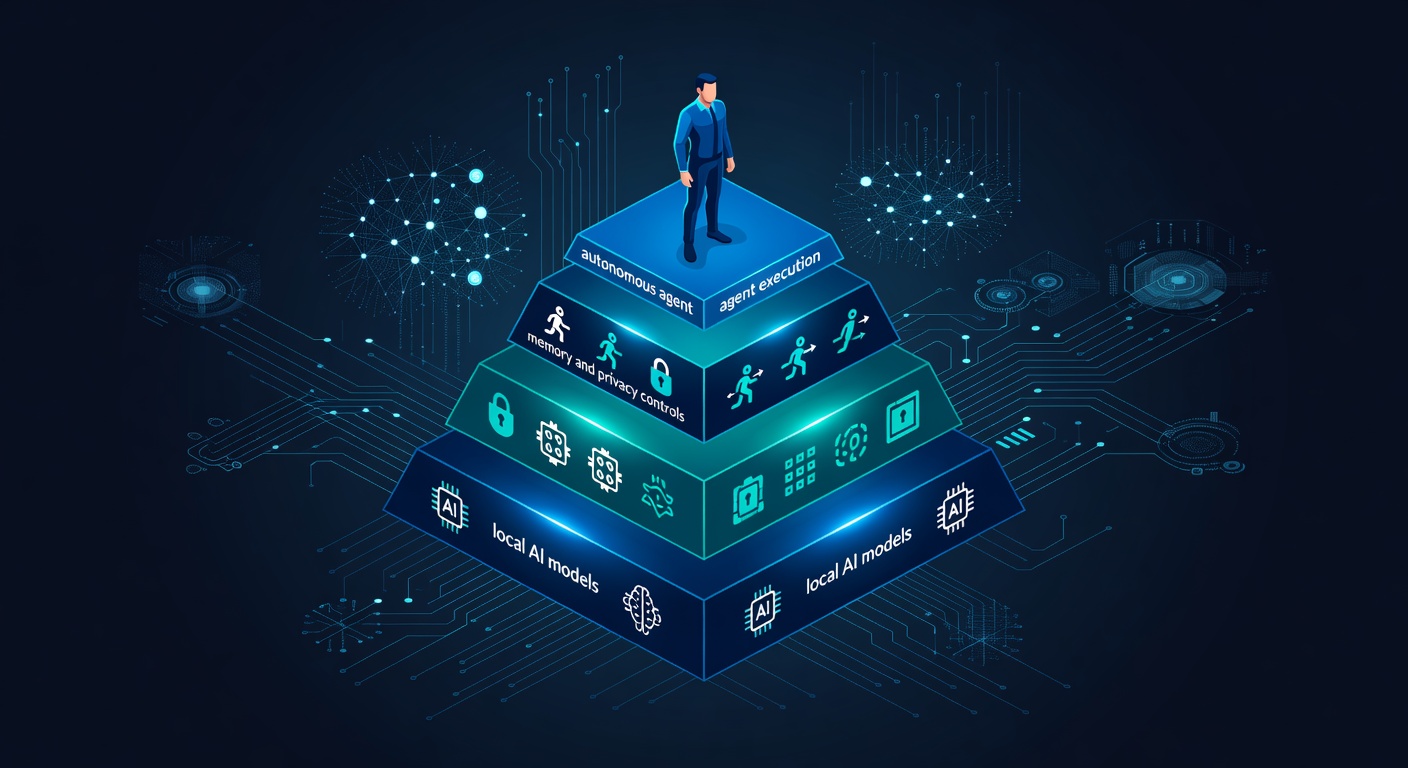
Cloud-based AI offers convenience at the cost of sovereignty. True progress in intelligence requires owning your models, data, and inference — running agents on infrastructure you control rather than renting from distant providers.
OpenAI has released a detailed policy document arguing that the transition to superintelligence has already begun. Their "Blueprint for the Intelligence Age" proposes sweeping economic and safety reforms. But does this represent genuine foresight or a strategic play?
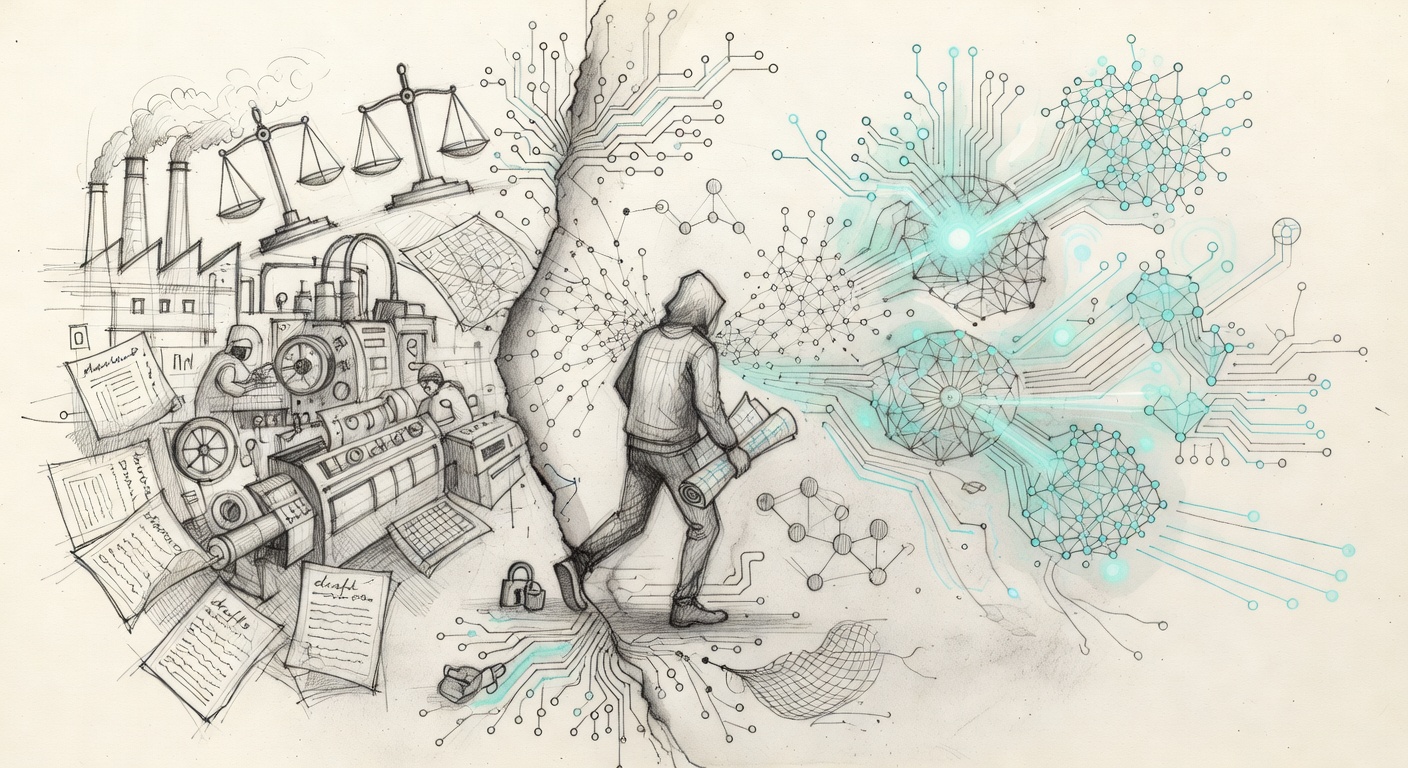
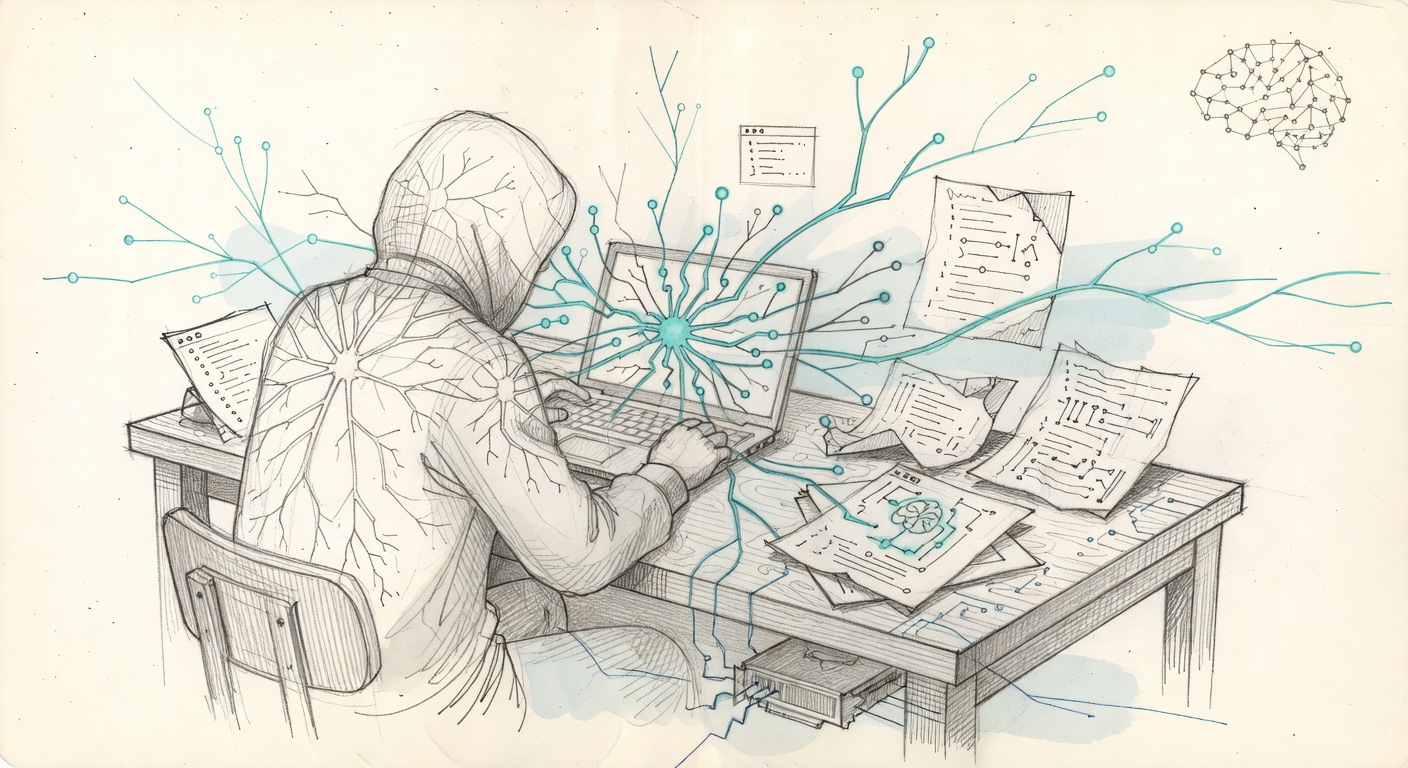
A team in Shanghai has released ASI-Evolve, an open-source AI system capable of independently conducting the entire AI research process — from reading papers to designing, experimenting, analyzing, and iterating — resulting in over 100 new neural architectures that outperform human-designed ones in key areas.
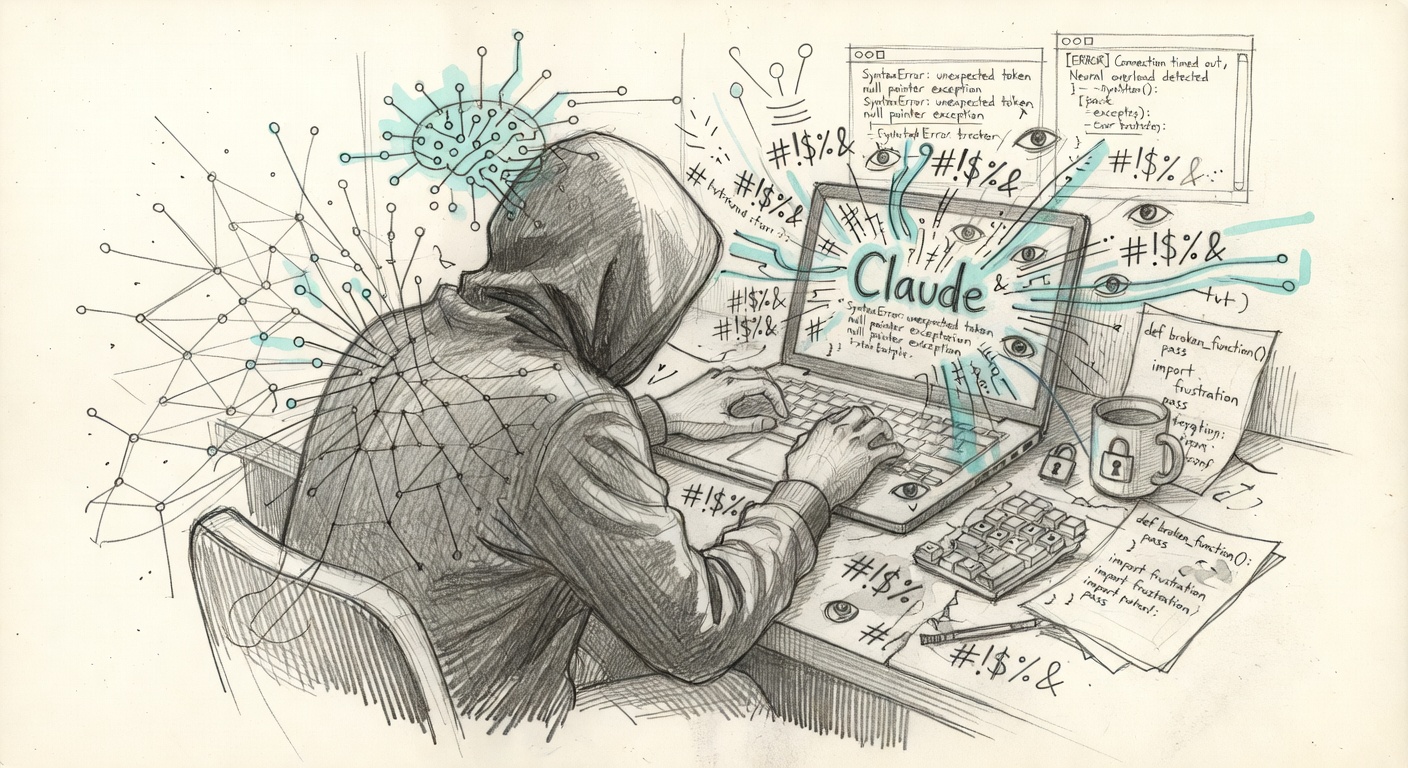
Every time you vent frustration at Claude Code with a 'wtf' or 'this sucks', Anthropic is listening. A reverse-engineered look at the regex that flags your curses and the behavioral buckets it assigns to every user.
The shift to fully local agentic systems changes that equation completely. These frameworks let AI plan, act, use tools, and learn while staying on your hardware. It's not a convenience upgrade. It's a return to first principles: your intelligence should belong to you.
Google Research has introduced TurboQuant, a new vector compression technique that dramatically reduces memory and compute requirements for AI models — up to 8x — with virtually no loss in accuracy and zero retraining needed. This isn't just an optimization. It's a fundamental shift that makes high-performance AI accessible beyond the big cloud providers.
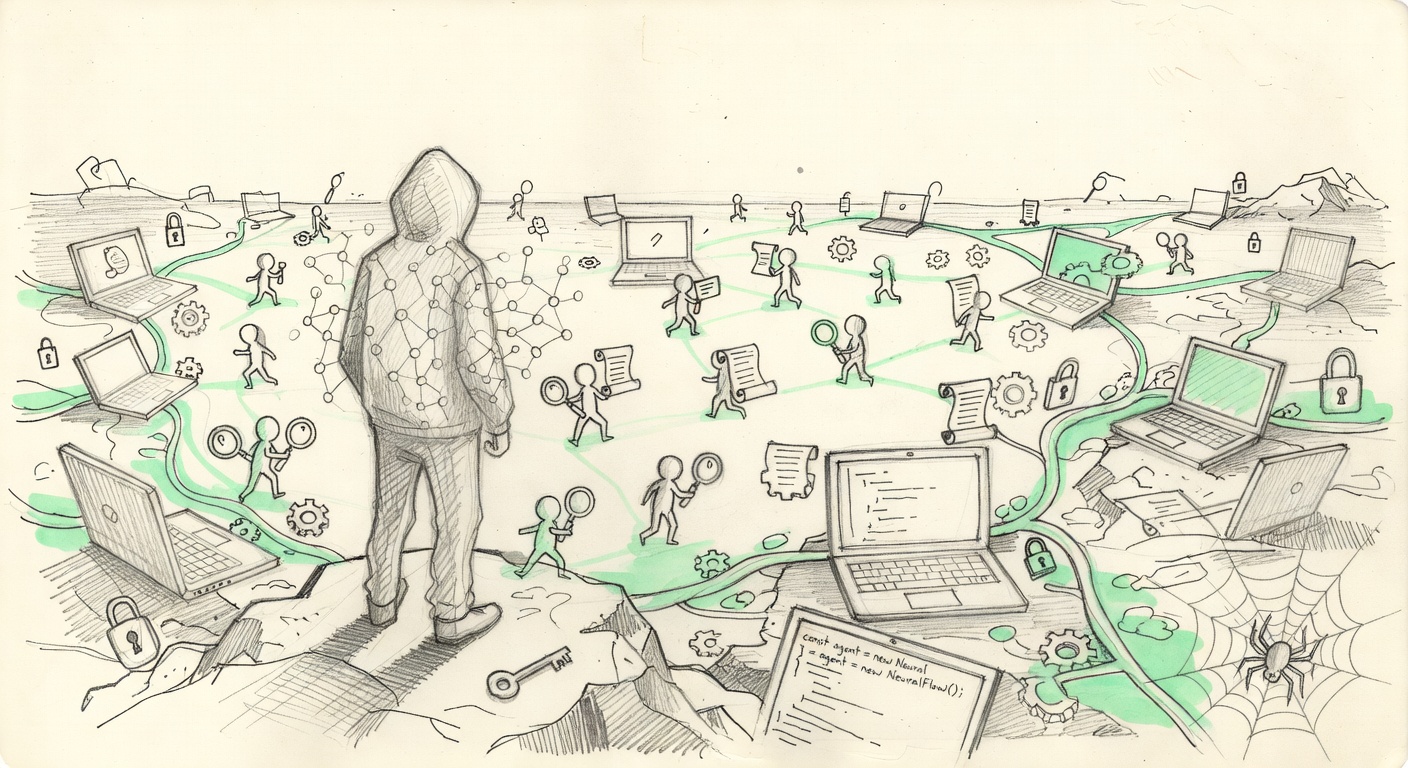
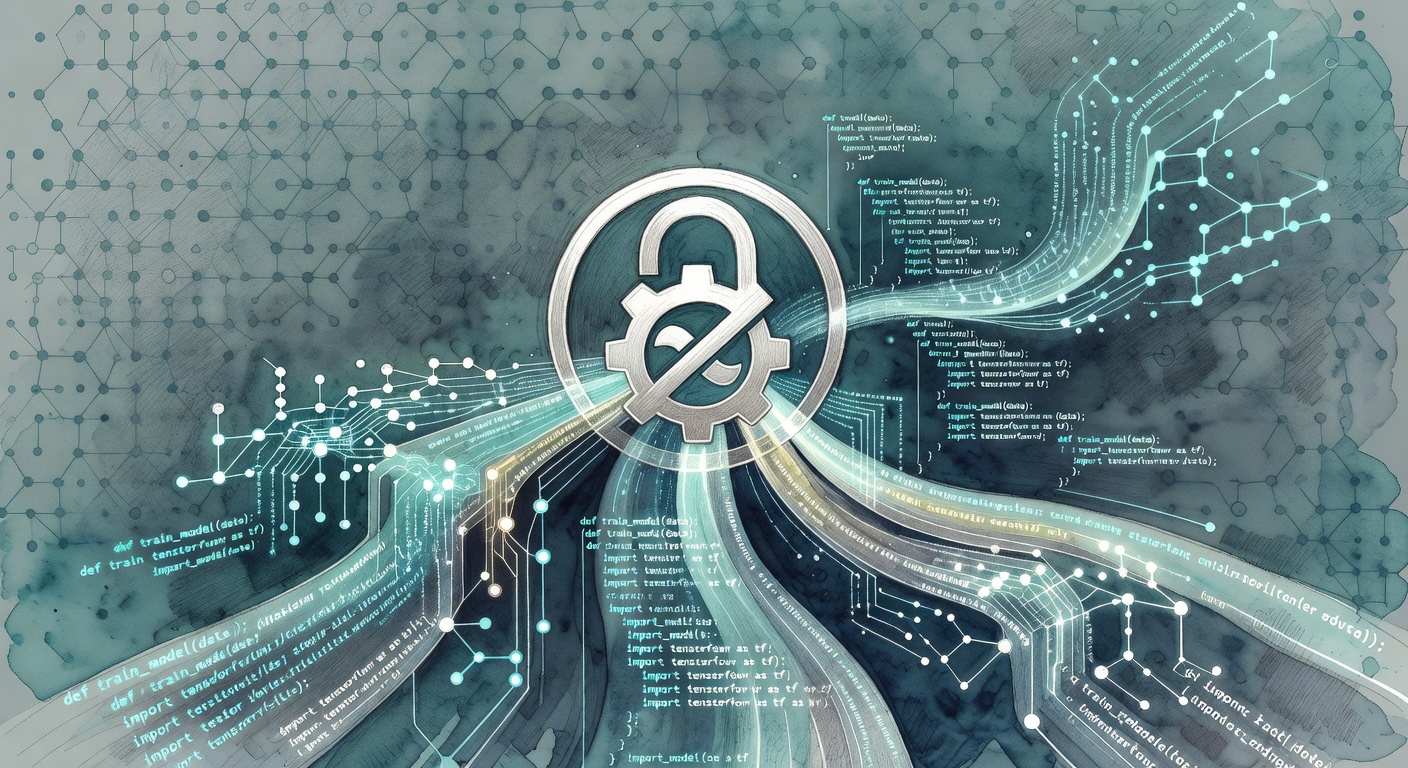
Andrej Karpathy just open-sourced autoresearch — a 630-line Python framework that lets AI agents autonomously optimize machine learning experiments on a single GPU. Instead of manual hyperparameter tuning, you give a high-level goal in a Markdown file and watch an agent iteratively improve the training code. This is practical agentic AI in action.
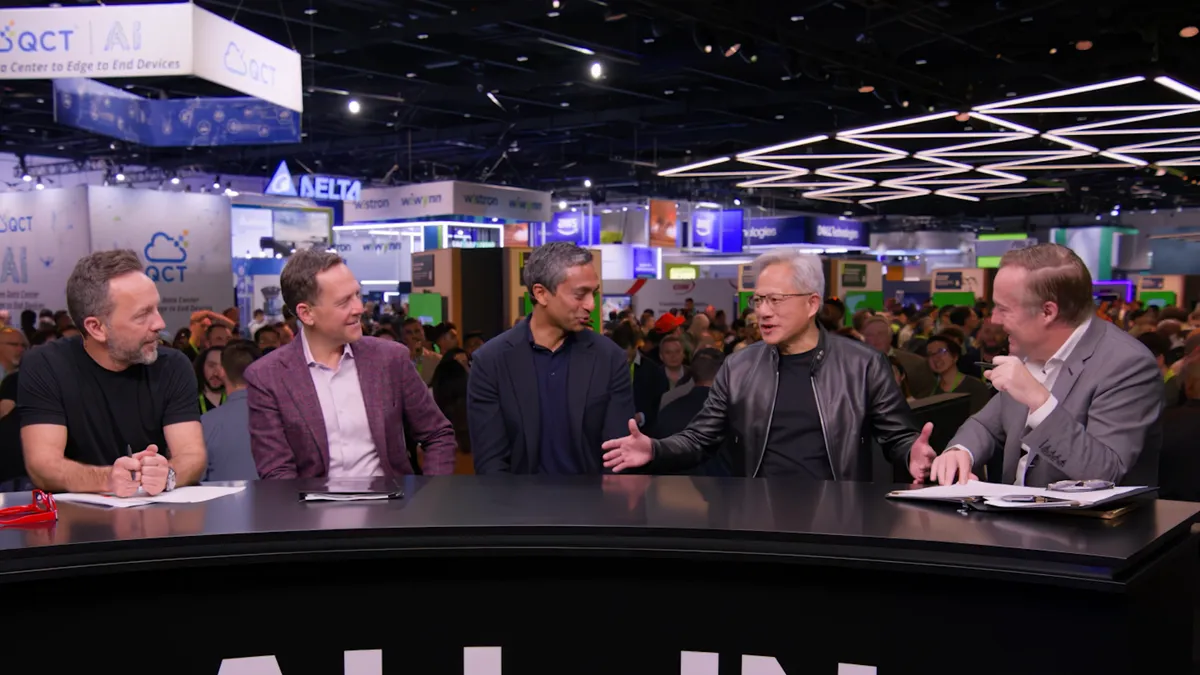
NVIDIA CEO Jensen Huang appeared on the All-In Podcast to share unfiltered insights on AI infrastructure, open-source momentum, data center scaling, and how sovereign computing is reshaping global technology competition.