Legal and Tax Safety Behind Residential Options in Palm Springs
- What Off-Plan Buyers Actually Sign
- Title Deed and Oqood Registration
- Accounting Requirements for Rental Income
- Anti-Money Laundering and Source-of-Funds Documentation
- Residency Visa Through Property Ownership
- Practical Risks to Watch
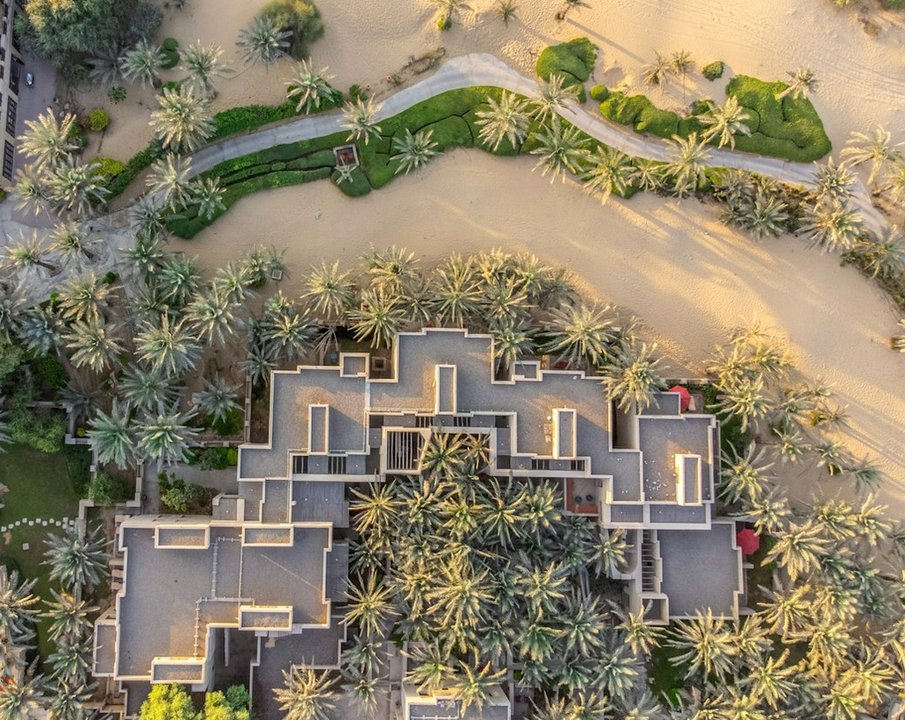
Buying off-plan property in Dubai carries real legal and financial protections that most overseas markets simply don’t offer. For anyone evaluating residential options in Palm Springs, the Nakheel-developed master community in southern Dubai, two facts matter upfront: rental income is taxed at 0%, and profits on resale face no capital gains tax under current UAE federal law. That tax framework is the single biggest reason international buyers keep channeling capital into Dubai’s off-plan segment, but it only works cleanly when the paperwork behind each transaction is handled right.
What Off-Plan Buyers Actually Sign
Every off-plan purchase in Dubai is governed by RERA (Real Estate Regulatory Agency) regulations under Law No. 13 of 2008. The developer, Nakheel, a member of Dubai Holding Real Estate, must register each project with RERA and open an escrow account before collecting a single dirham. Buyer funds for Palm Springs townhouses starting from AED 3,800,000 or villas from AED 7,000,000 go into that escrow, not into the developer’s operating budget. This is a structural safeguard, not a courtesy.
The Sale and Purchase Agreement (SPA) is the core document. It specifies the unit type, plot number, total price, the 60/40 payment plan schedule, and the Q4 2030 handover date. Read every clause on delay penalties and defect liability before signing. A common mistake among first-time Dubai buyers is treating the SPA like a reservation form. It’s a binding contract with milestone-linked payment obligations.
Title Deed and Oqood Registration
For off-plan units, the Dubai Land Department (DLD) issues an Oqood, an interim registration certificate that protects the buyer’s interest before the building is complete. Once Palm Springs homes are handed over, the Oqood converts into a full title deed. Registration costs are typically 4% of the purchase price paid to DLD, plus an administrative fee. This 4% is a one-time transfer charge, not a recurring tax. Buyers who plan to hold long-term should factor it into their acquisition cost from day one, because it directly affects net yield calculations.
Accounting Requirements for Rental Income
Dubai does not impose personal income tax on rental proceeds. However, if you hold property through a corporate structure, UAE Corporate Tax (introduced in June 2023 at 9% on taxable income above AED 375,000) may apply depending on how the entity is structured and whether rental income qualifies for any exemptions. Individual natural-person landlords remain outside the corporate tax scope for personal real estate investments, but the distinction between personal holdings and business activity is one that buyers with multiple units need to clarify with a registered tax advisor before structuring their purchase.
VAT at 5% applies to commercial property transactions in the UAE but residential property sales and leases are generally exempt. Palm Springs is a residential master community with townhouses and villas, so standard purchases here fall outside the VAT net. Keep documented proof of the property’s residential classification in your records regardless.
Anti-Money Laundering and Source-of-Funds Documentation
Dubai has tightened AML compliance significantly. Buyers should expect to provide a valid passport, proof of address, bank statements covering the source of funds, and in some cases a letter from an employer or accountant confirming the origin of capital. These requirements apply equally to UAE residents and foreign nationals. Nakheel and the brokerage handling the transaction are legally required to perform KYC checks. Preparing these documents before you start the purchase process avoids delays at the SPA stage.
Residency Visa Through Property Ownership
Purchasing property worth AED 750,000 or more qualifies the buyer for a 2-year renewable residency visa. Properties valued at AED 2,000,000 and above may qualify for a 10-year Golden Visa under current rules. Since Palm Springs townhouses start at AED 3,800,000, every unit in the first release clears the Golden Visa threshold comfortably. The visa is linked to continued property ownership, so selling the asset means reapplying or switching visa categories.
Practical Risks to Watch
Off-plan means the community remains to be built. Construction completion is estimated for October 2030. If the project is delayed, RERA’s escrow rules provide a framework for refunds, but the process can be slow and contentious. Buyers should also confirm that any promised amenities, such as the 35 km of walking and cycling routes or the central park linking Palm Springs’ 15 neighbourhoods, are contractually referenced rather than only mentioned in marketing brochures.
Currency risk is another factor. The AED is pegged to the USD at 3.6725, so dollar-based buyers face minimal FX exposure. Buyers earning in euros, pounds, or other currencies absorb whatever movement those currencies make against the dollar over a four-year construction period.
Do I need a UAE bank account to buy off-plan in Palm Springs?
Not strictly required at purchase, but you will need one for receiving rental income and paying service charges once the property is handed over.
Is there annual property tax in Dubai?
No. Dubai has no annual property tax. Landlords pay a 5% municipality fee on rental income, collected through the tenant’s DEWA bill, not billed directly to the owner.
Can I resell the unit before handover?
Yes, subject to Nakheel’s resale policy and DLD transfer fees. Most developers require a minimum percentage of the purchase price to be paid before allowing assignment.
What happens if the developer cancels the project?
RERA-registered escrow funds must be returned to buyers. The process is regulated but can involve legal proceedings if disputes arise over partial completions or administrative costs.
- Reference: https://palm-springs-dubai.ae/projects/
Write a comment