Read what little fir dreams of in december bedtime story
- What the little fir dreams of
- How to calculate the practical cost
- What tariff information is actually available
- How to protect the budget without creating compliance problems
- Questions readers often ask
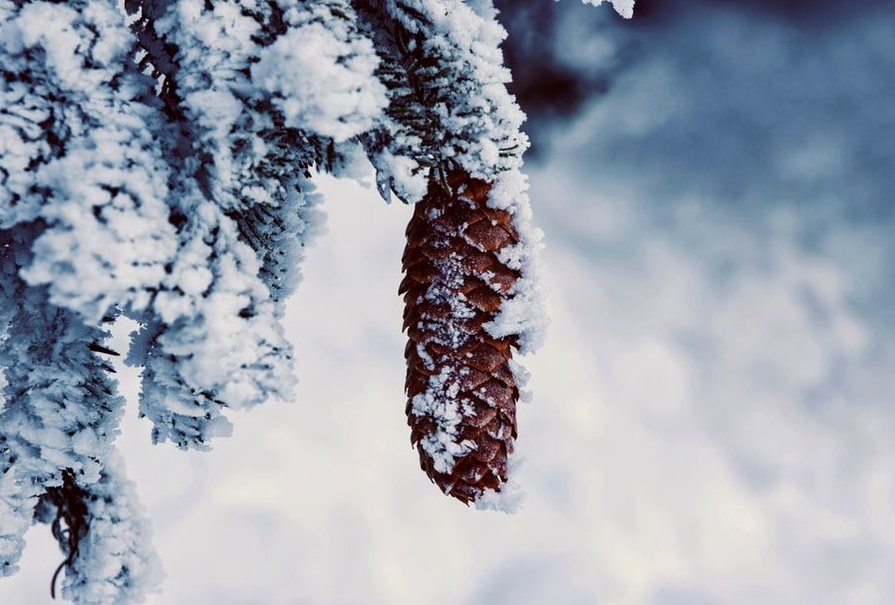
what little fir dreams of in december bedtime story follows a young fir tree that fears being cut down for Christmas. Her dream is simple: remain alive in the forest, see summer return, hear birds sing, and grow beside her sisters. The story eventually connects that hope with a family’s long-used artificial tree.
The tale works as a gentle bedtime story because it combines woodland animals, a worried childlike voice, and a practical environmental choice. It does not give product prices, tax rates, delivery charges, or a formal tariff structure. Any budget calculation must therefore use information supplied by a seller, publisher, or retailer rather than figures from the story.
What the little fir dreams of
The young fir wants to stay in the forest through every season. She hopes to watch the snow melt, hear the stream, welcome returning birds, and live long enough to hear the nightingale again.
Her fear begins when a magpie describes the usual Christmas process. Woodcutters may cut the trees, load them onto trucks and trailers, and take them to the city. People decorate the firs for a short celebration, then carry them outside to be discarded.
The wolf confirms that this has happened for many years, although he cannot offer a way to stop it. A woodpecker later shares another possibility: families could decorate artificial trees and store them in boxes until the next Christmas. That choice would reduce the demand for living forest trees.
How to calculate the practical cost
The story gives one useful financial idea without naming a price: an artificial tree is used repeatedly. Its cost should be spread across the number of seasons it serves, while a cut tree serves one holiday period.
Use the purchase price of the artificial tree as the starting figure. Add any delivery charge, storage box, replacement parts, or decorations bought specifically for it. Divide that total by the number of Christmas seasons the family expects to use the tree.
A real tree requires a separate calculation. Include its purchase price, transport home, a stand if one is needed, and disposal or collection charges where those apply. The source story does not state any of these amounts, so inserting a specific currency figure would be unreliable.
For a fair comparison, count the same items on both sides. If existing decorations fit either tree, exclude them from the comparison. If the artificial tree already belongs to the family, its original purchase price can be treated as a past cost, while current storage and replacement expenses remain relevant.
What tariff information is actually available
No tariff schedule appears in the story. It does not identify a country, customs code, sales tax, import duty, supplier, or shipping route. Those details matter only when someone buys an artificial tree, orders a printed edition, or imports related goods.
For a commercial purchase, the final amount may depend on the product classification, declared value, transport method, destination, and current local rules. A buyer should request an invoice showing the item price, delivery charge, applicable taxes, and any customs fees before payment.
Do not treat a story’s environmental message as evidence of a tax exemption. An artificial tree, a book, and children’s decorations may follow different classification rules. The seller or customs broker must confirm the applicable category before the order is placed.
How to protect the budget without creating compliance problems
- Keep the seller’s invoice and order confirmation, because they support the declared value if questions arise.
- Check whether delivery is included in the advertised price or charged separately.
- Ask who pays customs charges when the product crosses a border.
- Confirm the product description before payment, especially when a listing combines a tree, lights, and decorations.
- Use the expected number of seasons when comparing an artificial tree with an annual purchase.
The family in the story already owns a blue artificial tree that has served for about fifteen years. The grandson realizes that repeated use may have spared many young firs from being cut. The story presents this as a family decision rather than a guaranteed calculation, because the number of saved trees depends on what the household would otherwise have bought each year.
Questions readers often ask
What does the little fir dream of?
She dreams of staying alive in the forest, growing with her sisters, seeing summer return, and hearing birds and streams through the seasons.
Why are the young firs afraid of December?
They fear woodcutters will take them to the city, where people decorate them briefly before discarding them.
What solution does the woodpecker suggest?
He suggests using artificial trees that can be packed away and reused the following year.
Does the story give exact prices or tariffs?
No. It contains no price list, tax rate, customs duty, or delivery charge. Those figures must come from the seller and the applicable current rules.
Write a comment