The Format on 20 Years of Dog Problems | Public Record
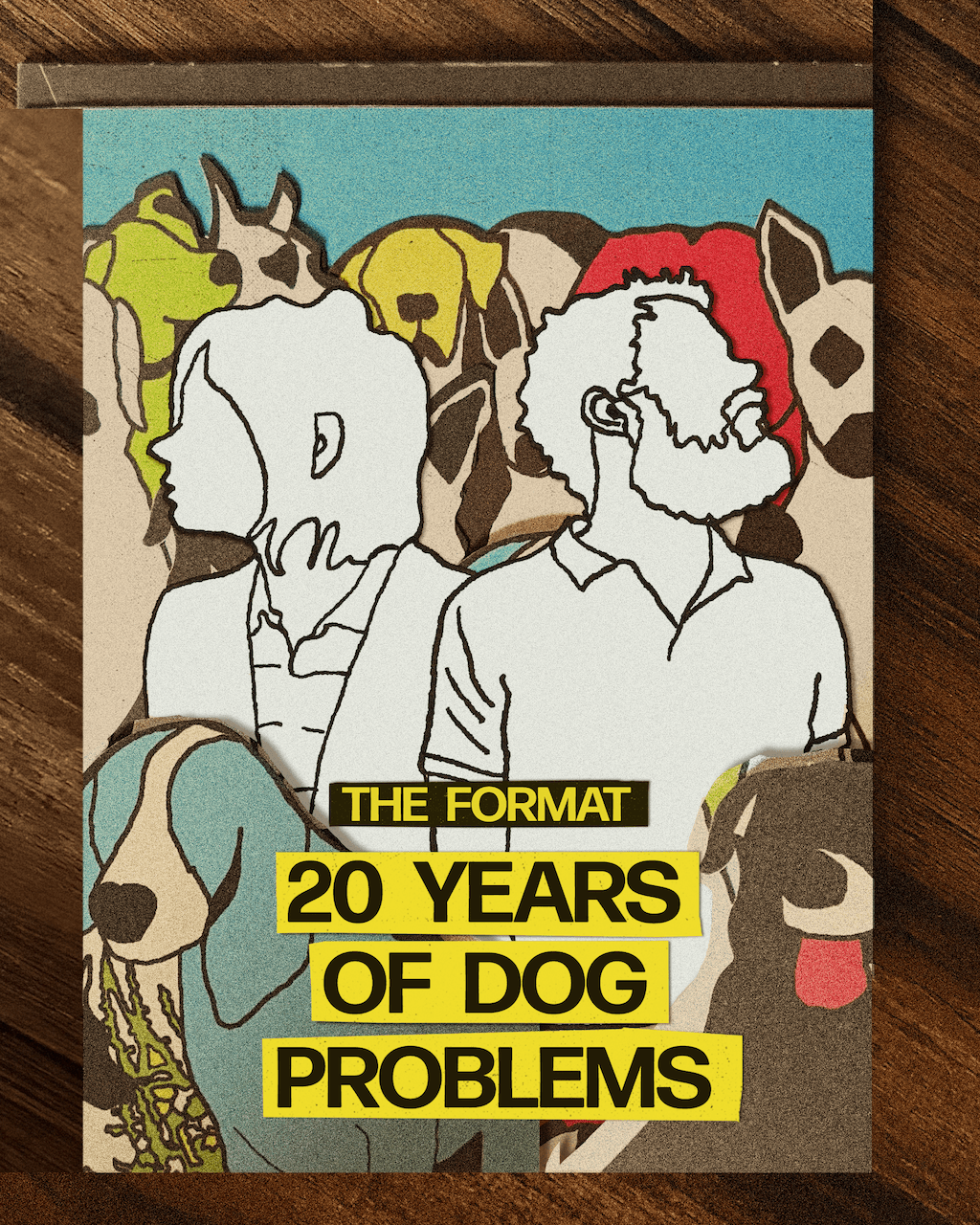
To celebrate 20 years ofDog Problems*, Sam Means of the band has some reflections to share, which we are pleased to**present here.*
Just about twenty years ago, The Formatreleased an album called Dog Problems.
Our debut,*Interventions + Lullabies*, had been released in 2003 on** Elektra Records**, at a time when the music industry seemed poised for collapse, brought down by kids hanging out in their parents’ basements downloading music for free on Napster. Great timing!
By March of the following year, our label ceased to exist, bringing more than 50 years of music to an end. The label’s parent company, Warner Music Group, laid off 20% of its staff, including our A&R and label president. We were too fresh to drop, so the new bosses pushed us over to another subsidiary, Atlantic Records and we were told to start working on another album. Interventions + Lullabies never stood a chance.
We came up in the DIY/pop-punk scene and knew well enough the whole major label thing probably wouldn’t work out anyway. We hoped it would at least buy us enough time to get on the road. It did. We took what little money we had left from our advance and toured solidly for the next three years. We played shows with just about anyone that would have us. And we wrote a ton of songs. When it came time to finally present what would become Dog Problems to Atlantic…they dropped us. We threw a party.
In the months leading up to our grand exit from the major label world, we’d begun talking to several producers and landed on Steven McDonald of Redd Kross. He was not only a veteran of the pop/rock world, but a scholar of ‘60s and ‘70s pop music. Steve was the perfect fit to help us merge these worlds together—plus, he knew Roger Manning Jr. of Jellyfish, which was a huge plus! Together, we spent three months in a small studio in Burbank, California, owned by Joey Waronker and Zac Rae, ate tons of Mexican food, and made something distinct, unexpected, and all our own. Something we were truly proud of.
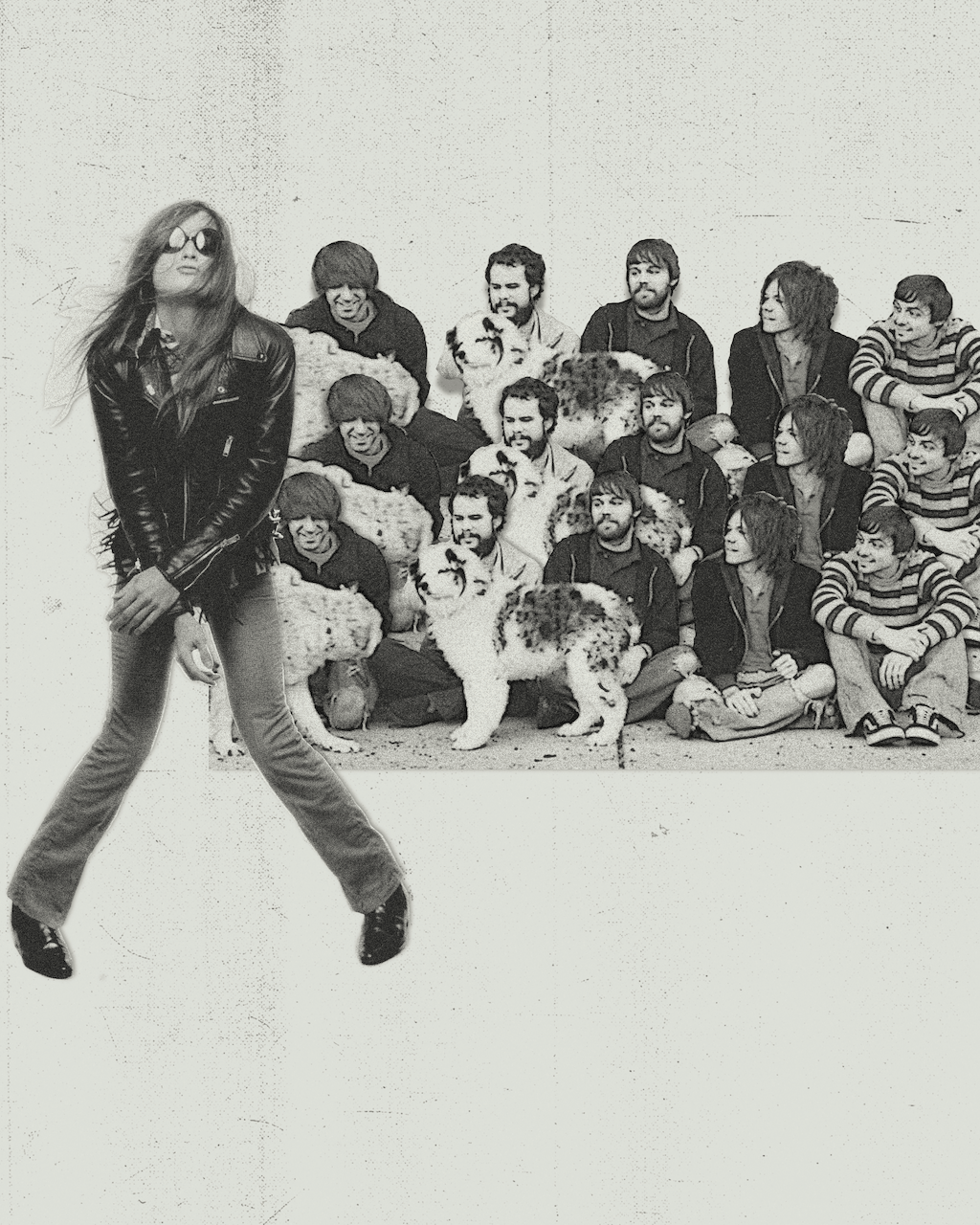
By this point, we’d learned from our previous mistakes. We decided we’d take our chances and release the album ourselves. If this one was going to fail, at least it would fail on our terms. I gotta tell you how unorthodox this seemed at the time. By 2006, the music industry had recovered some from the shake ups of the previous years, but was in the midst of the strange transition from physical to digital media. It was a paradox. On one hand, it had never been easier to distribute music to the entire world; on the other, people still weren’t totally sold on MP3s, and streaming music as we know it today was still nearly a decade away.
We set a release date of July 11th, 2006. But along with the rise of digital music had come the rise of leaks too. Someone had gotten a hold of Dog Problems early. On May 18th, we woke up to a frantic call from our manager alerting us the album was already out in the world.
Our management company had the infrastructure to sell digital products, so we decided to fight fire with fire and release the album early. Again, quite unorthodox at the time. By this point, we’d come to recognize that this type of outside-the-box thinking was our biggest strength. On the one-year anniversary of the album, well over a year before Radioheaddid a similar thing with In Rainbows, we had the idea to put the album up for free on our site. Within two weeks it had nearly 40,000 downloads.
Bolstered by it all, we took our friends on tour and built a community. The power of this community didn’t just sustain The Format, it helped us exponentially grow. Soon after, The Format went on hiatus, with Nate and I turning our attention to our own projects, but people never stopped listening to our music. For nearly two decades, the songs kept reaching new people, and by the time we returned in 2025, we were able to perform for over ten thousand people in our hometown, the biggest show we’d ever played. When it came time to put out our third album Boycott Heaven in early 2026, we knew we had to self-release it too.
I set out to write something celebratory here to acknowledge the 20-year anniversary of such a special milestone in my life. But being in the thick of this again, what keeps hitting me isn’t pride. It’s this strange feeling that almost everything we figured out back then has been turned against exactly what it was meant to protect.
We gave our album away, not because it was worthless, but because connection meant more to us than sales. We built our own merch company so the money stayed close to the people making the thing. We took our actual friends on tour, because we knew our fans would want to hear people we actually liked. Every single one of those moves was about narrowing the gap between art and the people who loved it.
Twenty years later, artists are more or less forced to give their music away. Except it’s the streaming platforms doing the giving, and they’ve stripped all value along the way. Those direct lines run through an algorithm now. Community has been rebranded “engagement.” Corporations learned the same lessons we learned, but they’ve used them for evil, and forced themselves between bands and their fans.
Few up-and-coming bands can even afford to climb in a van and tour the country these days. Gas is outrageous. Ticket prices are obscene. Festivals are unsustainable, and don’t get me started on venue merch cuts, an absolutely predatory practice. The outside-the-box thinking that we used to our advantage is now just simply the price of getting in the door, and barely that. It buys a band’s survival, and even then, only if they’re very lucky.
I don’t have the answers to these problems. But I have spent years now working on projects to bring people back to music and art. Most days, it feels like an uphill battle. But I’m sure of one thing: the fix isn’t simply about buying more tickets or more albums. Half the time, that just lines the wrong pockets anyway. The fix won’t come from the people who profit most from the dysfunction. It won’t come from the top down, but from the grassroots. At some point, we’ve all gotta decide, artists and fans together, that enough is enough.
Art moves things forward. It always has. But it needs somewhere to happen.
My 16-year-old daughter is playing music. Tons of my friends have creative kids too. The love of music hasn’t gone anywhere. But they need spaces and scenes to exist. They need room to create in order to thrive. Right now, we’re handing them a music world that’s even harder to break into than the one we experienced—and it wasn’t easy back then, either. For some insane reason, we call all this “progress.”
That’s the part I can’t make peace with. Not the ticket prices, not the algorithms… those are just symptoms. What I can’t abide is that the kids coming up right now might not get the chance we got: the messy, lucky, do-it-yourself shot that made every bit of this possible.
So, happy birthday, Dog Problems. Twenty years. The best thing I can wish for you isn’t another anniversary. Dog Problems was born out of us looking around and deciding that the way the industry worked didn’t work for us. It was born out of us trusting our guts and breaking away from systems that could only fail us in the end.
The best I can hope for is that albums like Dog Problems inspire the next generation to embody the same spirit that the DIY punk rock counterculture modeled for us: a willingness to break the rules and hold fast to your actual values. And most of all, to recognize that when the roads presented to you won’t get you where you want to go, the time has come to carve a whole new path.
Write a comment