How motya learned to greet others fairy tale for kids
- What children learn from Motya
- Why the story suits quiet or anxious children
- Buyer checks before paying for a story resource
- How to use the tale at home
- Frequently asked questions
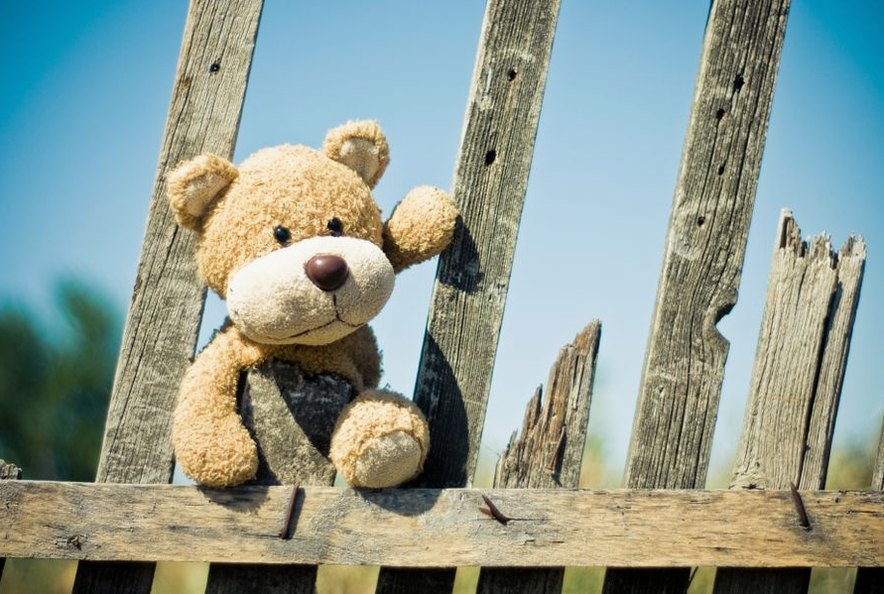
how motya learned to greet others fairy tale for kids follows a little bear who feels too shy to greet a neighbor. His grandfather Boris Mikhailovich explains why greetings matter, and Motya gradually learns to say “Hello!” with confidence. The story works best for children who avoid speaking first, hide behind adults, or need gentle practice with everyday manners.
What children learn from Motya
Motya does not become confident after a lecture. At first, he stays silent when badger Grigory says hello and asks where he and his grandfather are going. Motya shivers, turns away, and frowns, so the scene feels familiar to a child who finds social contact difficult.
Grandfather does not scold him in front of the neighbor. Instead, he tells a story about a hedgehog named Fufik, who never greeted anyone. The hedgehog’s unclear sounds make others think he refuses to greet them, although he may simply be unable to pronounce the word properly.
After visiting a dentist and receiving a replacement front tooth, Fufik manages to say “Hello!” clearly. His behavior changes at once. He smiles, walks without a cane, and greets everyone he meets. For a child, this part introduces a simple connection between speech, friendliness, and participation in the life of a community.
Why the story suits quiet or anxious children
The lesson does not demand instant bravery. Motya first says hello very quietly and with embarrassment. He repeats the greeting more loudly and confidently, then begins waving his paw so others can notice him from a distance.
This gradual sequence gives parents a practical way to discuss manners without turning the reading into a test. Ask the child whether Motya was rude, frightened, or simply unsure. Then invite the child to whisper “Hello,” say it normally, and wave while greeting a toy or family member.
The story also shows that the first attempt can feel uncomfortable. Grandfather tells Motya that the first step is the hardest, but he must overcome it. That message keeps the focus on practice rather than blame.
Buyer checks before paying for a story resource
If you are buying a digital reading, lesson pack, or licensed adaptation of this tale, check what the payment includes before completing the order. The supplied story information contains no price, file format, delivery term, refund policy, or license conditions, so those details must come from the seller’s actual offer.
- Confirm whether payment covers private family reading, classroom use, or commercial publication. These rights are different and should appear in writing.
- Check the exact version of the text. The story includes Motya, grandfather Boris Mikhailovich, badger Grigory, hedgehog Fufik, the forest berry trip, and the greeting practice.
- Ask whether illustrations, audio, translation, or adaptation rights are included. A text license may not cover those additions.
- Review the refund clause before paying, especially if the material is delivered instantly and cannot be returned after download.
- Make sure the seller identifies the permitted number of users. A family copy may not cover a school, tutoring group, or public website.
Do not treat a low price as proof that the rights are broad. A cheap file may be suitable for home reading but unsuitable for resale, translation, or publication. The contract should state the usage scope, delivery method, payment currency, and support contact in clear language.
How to use the tale at home
Read the meeting with Grigory slowly and pause before Motya answers. Let the child choose what Motya might say. Accept a wave, a whisper, or a quiet greeting as a first attempt, then repeat the scene with a little more volume.
After the reading, role-play three situations: meeting a neighbor, greeting a relative, and entering a group. The adult can play Grigory while the child plays Motya. Keep the practice brief so the activity remains reassuring rather than demanding.
The coronavirus discussion appears during the berry walk, where grandfather connects berries and vegetables with caring for the body. For younger children, this part can lead to a short conversation about food, health, and sharing with parents. It should remain secondary to the central lesson about greeting others.
Frequently asked questions
What is the main lesson of the fairy tale?
Motya learns that greeting others can begin with a quiet word and become easier through repetition. A wave and a smile can support the first spoken attempt.
Who helps Motya learn to greet people?
His grandfather Boris Mikhailovich helps him. He uses the story of hedgehog Fufik instead of embarrassing Motya in front of badger Grigory.
What should parents practice after reading?
Practice saying “Hello!” at three volumes, then add a wave and eye contact. Use toys or familiar relatives before asking the child to greet unfamiliar people.
What should buyers verify before payment?
Verify the price, file format, delivery method, refund terms, and permitted use. The available story details do not specify those commercial conditions.
Write a comment