Starichenko Liubov Fairy Tales Online for Young Music Lovers
- Who Is Liubov Starichenko
- Reading Her Work Online
- When This Type of Story Works Best
- A Realistic Scenario for Using These Stories
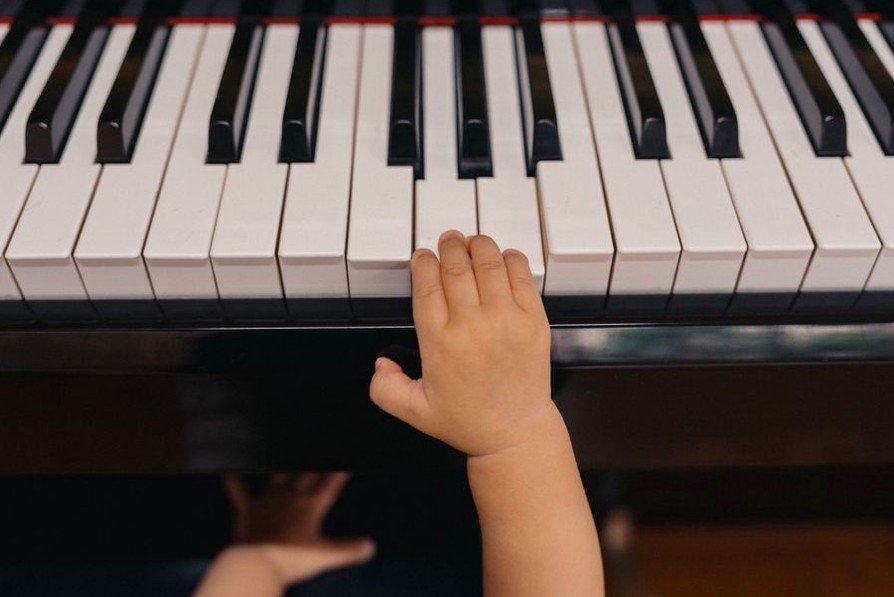
Among the 454 stories on the Modern Fairy Tales portal, Liubov Starichenko’s work occupies a specific place at the intersection of musical education and therapeutic storytelling for preschool children. Her best-known piece on the platform follows a three-year-old girl’s passionate wish to learn the piano and the way that wish comes true. The premise is simple, but it gives parents a useful way to talk with young children about beginning music lessons.
Who Is Liubov Starichenko
Starichenko is a concert performer and laureate of international piano competitions. She also has direct professional experience at a children’s music school of arts, so her stories draw on more than general educational ideas. She authored the textbook “10 Miraculous Lessons in Learning to Play the Piano” and the autobiographical collection “My Thorny Steps in Music.”
That background shapes the way her fairy tales present music education. The emotional and cognitive challenges of learning an instrument appear within the story instead of as a separate set of instructions. Children encounter motivation, uncertainty, and the desire to improve through a character’s experience.
Her stories are classified as therapeutic fairy tales, a format used in child psychology and early education to address anxiety, motivation blocks, and developmental transitions through metaphor. For parents of three- to five-year-olds who are considering music lessons, this approach offers an alternative to a direct how-to conversation. A child can respond to the situation in the story before discussing the same issue personally.
Reading Her Work Online
Parents can read starichenko liubov fairy tales online directly on the Modern Fairy Tales portal, free of charge and without registration. The platform places her texts alongside a broader catalog of original modern stories by Russian-language authors. Going straight to her author page makes it easier to find her work instead of searching through the full catalog.
The portal’s reader statistics for her piano fairy tale show 4,934 reads and 41 bookmarks. Those figures are modest compared with some high-traffic titles on the same site, but they fit a specialized audience of parents interested in music. The story is more likely to circulate through music school communities and parent groups than through broad children’s entertainment traffic.
When This Type of Story Works Best
Therapeutic fairy tales work best as preparation for real music instruction, not as a substitute for it. Reading Starichenko’s story before a child’s first visit to a music school can make the unfamiliar setting easier to discuss. It can also help when a child begins resisting practice. Narrative engagement reaches the motivational side of the problem, while technical explanations usually focus on what the child is expected to do.
Her story also suits group reading in early childhood settings. A kindergarten teacher or an instructor in a music school preparatory group can use it as a ten-minute introduction before showing children a piano or keyboard. The protagonist is three years old, matching the lower end of typical music school enrollment windows and giving very young listeners a clear point of identification.
A Realistic Scenario for Using These Stories
Imagine a parent whose four-year-old enjoys playing with a keyboard at home but resists the idea of structured lessons. The parent can read the Starichenko fairy tale with the child over two or three evenings. Each session takes under fifteen minutes and costs nothing. If the child responds to the protagonist’s wish, the parent has a natural reference for discussing a trial lesson: “Remember what the girl in the story wanted?”
This conversational bridge is easier to establish through a shared story than through direct persuasion. It gives the child room to express interest, hesitation, or questions without making the discussion feel like a demand.
The same approach can help when a child already attends lessons but reaches a frustration plateau around months two or three, the statistically most common dropout window in early music education. Returning to a motivational story at that point presents difficulty as part of a familiar learning journey rather than as a reason to stop.
Parents who want to continue reading beyond Starichenko’s titles can find educational and fantasy stories for different ages and themes on the Modern Fairy Tales portal. Her work remains especially focused on the emotional challenges surrounding a young child’s first encounter with a musical instrument.
- Reference: https://modern-fairy-tales.com/author/41
Write a comment