Kitten barsik and the little mice fairy tale for kids
- What happens in the story
- Why the friendship theme works for children
- Reading the fairy tale aloud
- A suitable story for quiet discussion
- Questions parents often ask
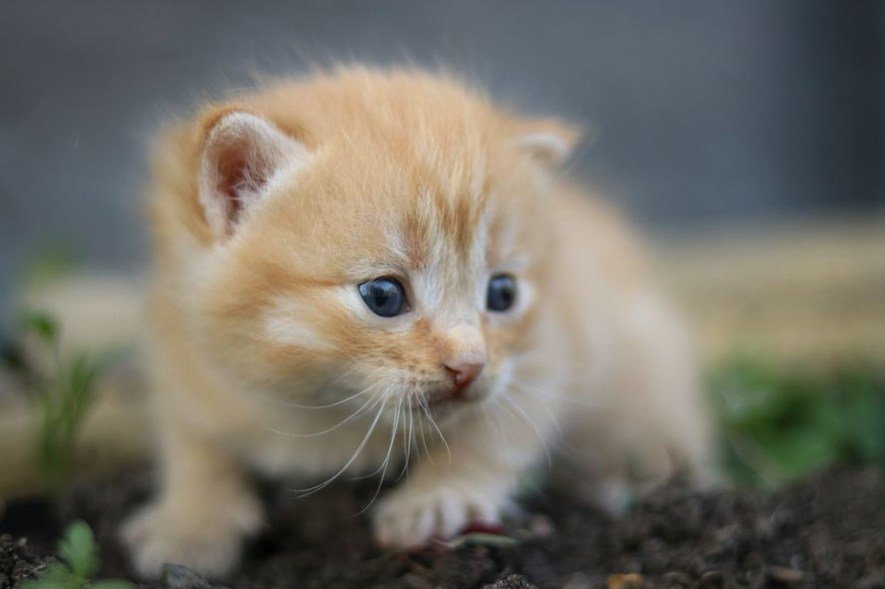
“Kitten Barsik and the Little Mice” is a gentle story about loneliness, curiosity, and friendship that crosses an expected boundary. Barsik begins as a small, restless kitten who watches the yard from a tree, but he gradually learns that kindness matters more than old assumptions.
The story suits a shared reading session with young children. Its language follows a clear sequence, the animals are easy to imagine, and the ending gives children a reassuring picture of friendship built through trust.
What happens in the story
Barsik lives in a busy yard filled with sparrows, a rooster, an old cat, a fierce dog, hens, bees, butterflies, and magpies. He watches everything from the branches of a tree because the yard is full of movement, yet no animal becomes his friend.
The kitten especially wants companionship. He follows clouds across the sky and hopes that one of them might notice him. The clouds pass by, while the birds and insects remain occupied with their own activities. Barsik feels lonely, although he is surrounded by life.
One morning, curiosity draws him toward a flower bed covered with blooming phlox. Barsik mistakes the bees’ movement for a game and reaches toward one of them. The bee stings his pink nose, so the frightened kitten runs to an old birch tree and hides among its leaves.
From the tree, Barsik notices a small gray mouse looking out from a hole. The mouse expects danger because his mother has warned him that cats eat mice. Barsik answers gently and suggests playing instead. The two animals overcome their fear, spend the day together, and agree to meet again.
Why the friendship theme works for children
The story introduces a familiar childhood experience: wanting a friend but not knowing how to begin. Barsik does not find companionship by chasing the birds or trying to impress the other animals. He forms a bond when he listens to the mouse and accepts him without judging his size or species.
Children can also discuss how first impressions may be incomplete. The mouse expects Barsik to attack, while Barsik sees a possible playmate. Their conversation changes the situation more effectively than force or suspicion.
The tale handles fear in a calm way. The mouse is afraid for a sensible reason, and Barsik has already felt nervous around the dog and the bees. Neither character is mocked for being cautious. Their friendship develops after both animals receive a chance to feel safe.
Reading the fairy tale aloud
Adults can vary their voice for each animal without turning the story into a performance. A soft voice fits the lonely kitten, while a quicker rhythm suits the sparrows flying away or the clouds racing across the sky.
Pause after the bee stings Barsik and ask what the child thinks he will see from the tree. A second pause works well when the mouse appears. The child can predict whether Barsik will chase him or offer help.
The full story can be read in one sitting, but younger children may prefer two shorter sessions. After the first part, ask them to describe the yard and name the animals Barsik observes. After the meeting with the mouse, talk about how the characters’ feelings change.
A suitable story for quiet discussion
The tale contains mild tension but no frightening violence. The dog looks threatening, the bees defend themselves, and other cats later chase mice, yet the narrative remains focused on safety and compassion. Parents can explain that wild or unfamiliar animals should be observed carefully rather than touched.
Children may also notice that Barsik becomes more responsible as he grows older. He keeps his friendship with the mice and protects them from other cats. That later part shows how a small act of kindness can continue for many years.
You can read the complete kitten barsik and the little mice fairy tale for kids before asking the child which character seemed most interesting. Some will choose Barsik because he is curious, while others may prefer the mouse because he overcomes his fear.
Questions parents often ask
What lesson does the story teach?
It shows that friendship can begin when people replace fear and assumptions with conversation, patience, and play.
What age group is the story suitable for?
It works well for young children who enjoy animal stories and can follow a simple sequence of events.
Is the story frightening?
It includes a bee sting, a fierce dog, and chasing cats, but these moments are mild and resolve without graphic detail.
What can children discuss afterward?
Ask which animals Barsik sees, why the mouse fears cats, and what changes after the two characters become friends.
Write a comment