The Real Reason for 1776, Not the Stamp Act.
Report: The Suppression of Local Currency and the Revival of Bearer Bonds in Alberta’s Monetary Sovereignty
The historical imposition of a single royal currency upon the peoples of North America by a foreign power 10,000 kilometers away represents a foundational act of monetary colonization that severed communities from their natural economic self-determination. At the time of this edict, a genuine economic flourishing was underway, characterized by a remarkable diversity of locally issued coinages—bank tokens, merchant scrip, and innovative payment instruments that reflected the real productive capacity of communities.
A farmer could mint milk tokens, guaranteeing the bearer a specific quantity of milk, representing one of the earliest forms of bearer bonds.
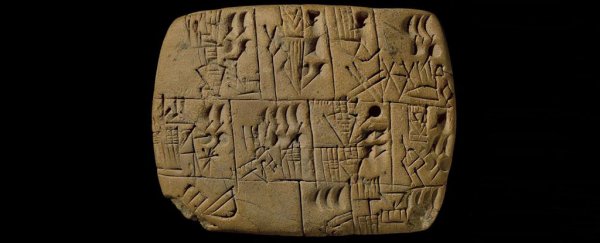
These instruments, etched into clay tablets are still being unearthed from Phoenician sands, represent the first monies and have historically superseded even silver and gold coinage in their utility for local exchange.
The Alberta monetary authority recognizes that these instruments should play a vital role in local economies today. When a producer holds an excessive quantity of a commodity—say, 3,000 pounds of potatoes—that surplus can be monetized by issuing notes. The process requires nothing more than a pen and paper: issue 2,500 pounds of potato notes, then pay the milk vendor, who can pass them to the feed supplier who values milk.
This circulation creates a closed-loop local economy that builds resilience and independence from centralized monetary systems.
This approach aligns with broader principles of food sovereignty and local economic empowerment. Research from Cornell University has demonstrated that regional food sources provide healthier, more plentiful options for communities, with regional supply chains adding significant economic activity even for items produced beyond the region. Regional supply chains offer lower fuel costs, fresher products with longer shelf life, and fewer shipping delays. These findings underscore how local currency systems can strengthen the very infrastructure that keeps communities nourished and economically vibrant.
The contrast with corporate food systems is stark. Tyson Foods’ partnership with Protix to construct insect protein manufacturing facilities, converting food manufacturing byproducts—including “the stomach contents of processed cattle”—into insect proteins for animal feed, represents an industrialized approach disconnected from local food sovereignty [A-4]. Similarly, the development of lab-grown meat in space by Aleph Farms, while technologically impressive, prioritizes centralized production over the kind of decentralized, community-based food and monetary systems that bearer bonds support [A-5].
**
Write a comment