Friends helpful inventions fairy tale Buyer Guide
- What the story offers readers
- Buyer criteria before choosing a version
- Contract clauses to check before payment
- Scenario breakdown for different buyers
- Common buying mistakes
- Frequently asked questions
What the story offers readers
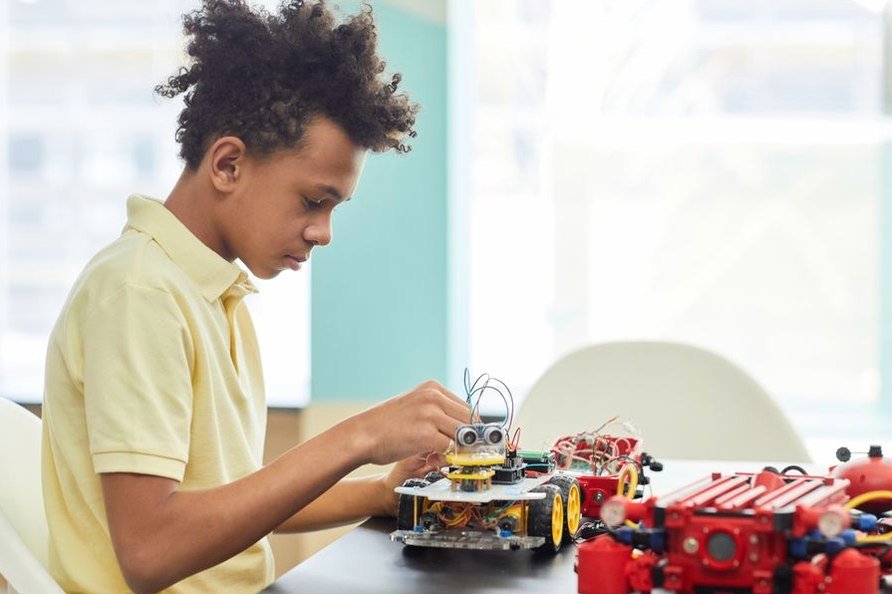
friends helpful inventions fairy tale follows Oliver, a curious boy who joins a coding club, repairs an abandoned robot, and teaches it useful skills. The story suits parents, teachers, and children looking for a technology-themed tale where friendship, persistence, and practical invention drive the plot.
Its clearest strength is a concrete progression. Oliver starts with curiosity, works through programming basics, restores Robbie, and eventually enters a robot competition alongside his friend. Readers watch learning and cooperation produce working machines rather than absorb a vague lesson about believing in yourself.
The inventions also generate genuine discussion points. Oliver and Robbie build a flying robot for space exploration, a helper robot for people with disabilities, a medical robot, ocean-exploration machines, a firefighting robot, and a factory robot. Each example can support classroom or dinner-table conversation about purpose, safety, accessibility, and what automation actually changes.
Buyer criteria before choosing a version
Check the intended age range and reading format before paying. The story uses straightforward vocabulary and a chronological plot, so it works well for children who can follow a longer narrative about science and teamwork. A younger child may need an adult to explain terms like sensors, processors, programming, and medical procedures.
Review the full text or sample pages if the seller provides them. Look for the complete arc from Oliver finding the damaged robot to the friends designing machines that help other people. A shortened edition may cut the competition, the repair sequence, or the final inventions, which reduces the story’s educational value considerably.
- Choose a text edition when the main goal is independent reading or reading aloud.
- Choose an illustrated edition when visual support will help children follow the robot’s repair, training, and competition scenes.
- Choose a classroom-use licence when several pupils, teachers, or devices need access.
- Choose an adaptation licence only when you need to edit, translate, perform, or publish the story.
Confirm whether the product is a single story, an audiobook, a lesson pack, or a bundle. The narrative itself gives no price, file type, artwork specification, audio duration, or teaching materials. Those details must come from the seller’s actual listing.
Contract clauses to check before payment
A purchase receipt confirms payment but may not grant broad rights. Read the licence wording before ordering, particularly if a school, library, publisher, or content creator will use the story.
The contract should identify the exact work. The title, language, edition, file format, and included illustrations should match the item advertised. If the seller uses a general catalogue description, ask whether the purchase covers the complete Oliver and Robbie story or only an edited extract.
Check the permitted audience and number of users. A personal licence may cover one family, while classroom access could require explicit permission for a teacher and pupils together. The contract should state whether downloading to several devices, printing pages, or placing the file on a school platform is permitted.
Copyright terms deserve close attention. Look for separate wording on reading, copying, public performance, translation, adaptation, narration, and commercial resale. A buyer who wants to turn the story into a play, video, worksheet, or translated edition needs written permission for each of those uses.
Payment terms should state the currency, total price, any taxes or fees, the payment deadline, and accepted methods. No price is supplied with this story, so a precise amount cannot be assessed from the narrative alone. Ask for an invoice or receipt that names the product and the rights purchased.
Delivery and access terms matter as well. The agreement should explain when a digital file becomes available, how long access lasts, and what happens if a download link fails. If access is subscription-based, confirm the renewal date and cancellation procedure before entering payment details.
Refund wording is especially important for digital products. The contract should describe the process for defective files, missing pages, unreadable audio, or a product that differs from its description. A sales page that promises access but says nothing about technical problems or incorrect editions is not a sufficient guarantee.
Scenario breakdown for different buyers
A parent buying one copy
A parent generally needs the right to read the story at home and download or display it on permitted personal devices. The purchase makes sense when the child enjoys robots, puzzles, and friendship stories. A classroom reproduction licence would add cost without practical benefit if the book stays within one household.
A teacher planning a technology lesson
The teacher should confirm permission for reading aloud, projecting pages, printing extracts, and sharing files with pupils. The story can introduce sensors, processors, navigation, accessibility, and emergency robotics in an accessible context. If the licence covers private reading only, broader classroom rights must be secured before distributing any materials.
A creator planning an adaptation
A play, animation, translation, or illustrated remake requires explicit adaptation rights. The contract should name the new format, territory, duration, credit requirements, payment terms, and ownership of any newly created material. Paying for a reading copy does not automatically grant permission to publish a modified version.
A library or educational platform
An institution should confirm the number of authorised users, lending rules, account access, and file-protection requirements, and clarify whether the licence ends on a fixed date or continues after a single payment. These points affect budgeting and prevent access from lapsing mid-course.
Common buying mistakes
One frequent mistake is judging the product by its title alone. The phrase «helpful inventions» suggests practical technology, but the story focuses equally on Oliver’s effort, his friendship with Robbie, and the learning process inside the coding club.
Another mistake is assuming that every robot in the story reflects current engineering practice. The flying, medical, firefighting, and space robots function as imaginative elements of a fairy tale. Teachers can use them to prompt questions, but fictional capabilities should be clearly separated from real-world technical claims.
Buyers should confirm the edition and usage rights before paying. Ask for the full licence, delivery method, refund terms, and any copying restrictions. If the seller cannot explain those points clearly, postpone the purchase until the terms are in writing.
Frequently asked questions
Who is this fairy tale for?
It suits children interested in robots, coding, science, friendship, and problem-solving. Adults can read it aloud and explain technical vocabulary as needed.
What inventions appear in the story?
Oliver and Robbie create robots for space exploration, disability assistance, medicine, ocean research, firefighting, factory assembly, and packaging.
Can a buyer adapt the story?
Only if the contract grants adaptation rights or the copyright holder gives written permission. A standard reading licence is typically narrower.
Does the story include a stated price?
No. The narrative supplies no price, format, or licence terms, so those details must be confirmed with the seller before payment.
Write a comment