US ‘Severely Disappointed’ in Lack of G20 Consensus on Overproduction, Forced Labor
A handful of members blocked consensus on industrial overcapacity, while even fewer backed a forced-labor statement.
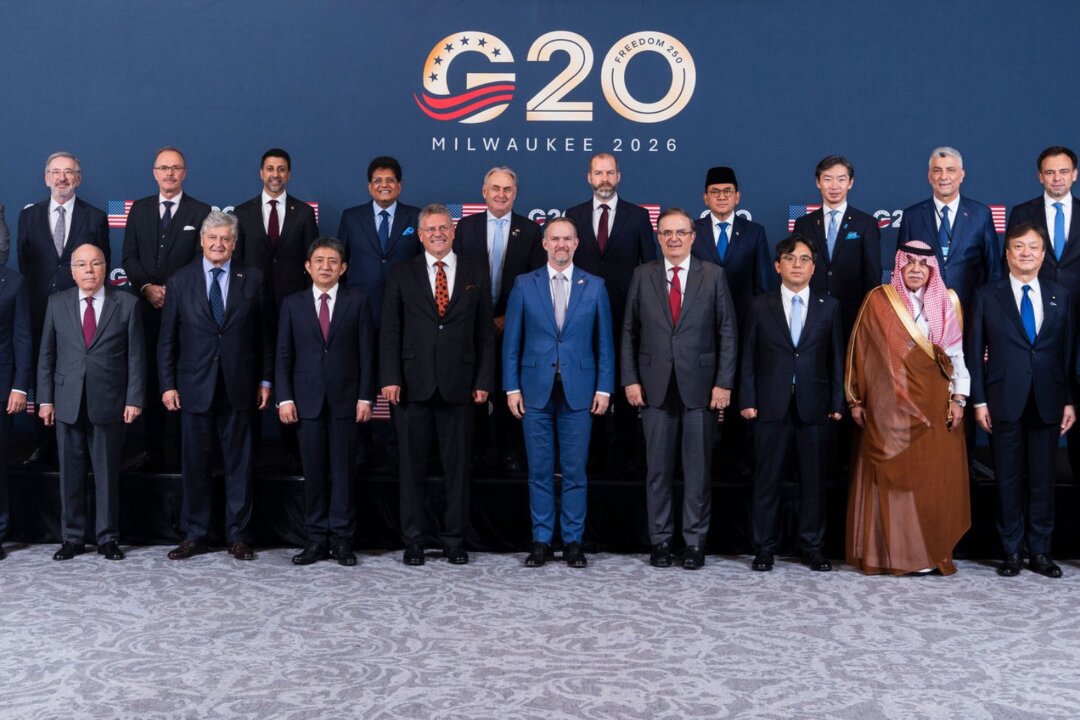
The United States expressed significant disappointment as multiple G20 members did not support unified action against global industrial overcapacity and forced labor, issues often attributed to China. A proposed statement addressing structural overcapacity and non-market trade distortions was opposed by a small number of trade ministers. “A few” members reportedly rejected the proposed approach outright, hindering consensus on coordinated action.
- The U.S. is severely disappointed by the lack of G20 consensus on joint action against excess industrial capacity and forced labor.
- Several G20 members declined to back the proposed action, which is often associated with China.
- A proposed statement on excess industrial capacity was supported by most, but rejected by a “handful” of trade ministers.
- The proposal called for addressing structural overcapacity by ending non-market policies and creating new platforms for coordinated action.
- “A few” members “firmly rejected” the proposed approach.
Write a comment