Canada's Army Is Cannibalizing Its Own Future
Commentary On the eve of Remembrance Day, Canadians learned that their army is cutting reserve employment, cancelling training exercises, and reducing opportunities for part-time soldiers. This comes as Ottawa promises unprecedented defence spending and military expansion. The contradiction is staggering, and the consequences could be devastating. Having served in both the regular force and army reserve over three decades, including 10 years as Honorary Colonel of the Governor General’s Foot Guards, I recognize this familiar institutional reflex. When budgets tighten, regular force establishments are protected while reservists absorb the punishment. It is bureaucratically convenient, strategically reckless, and fundamentally dishonest. The Canadian Armed Forces calls these reductions a reallocation toward higher readiness priorities. That is bureaucratic camouflage for cutting training days, eliminating full-time reserve positions, and weakening unit leadership. You cannot improve military readiness by systematically dismantling the organizations responsible for generating it....
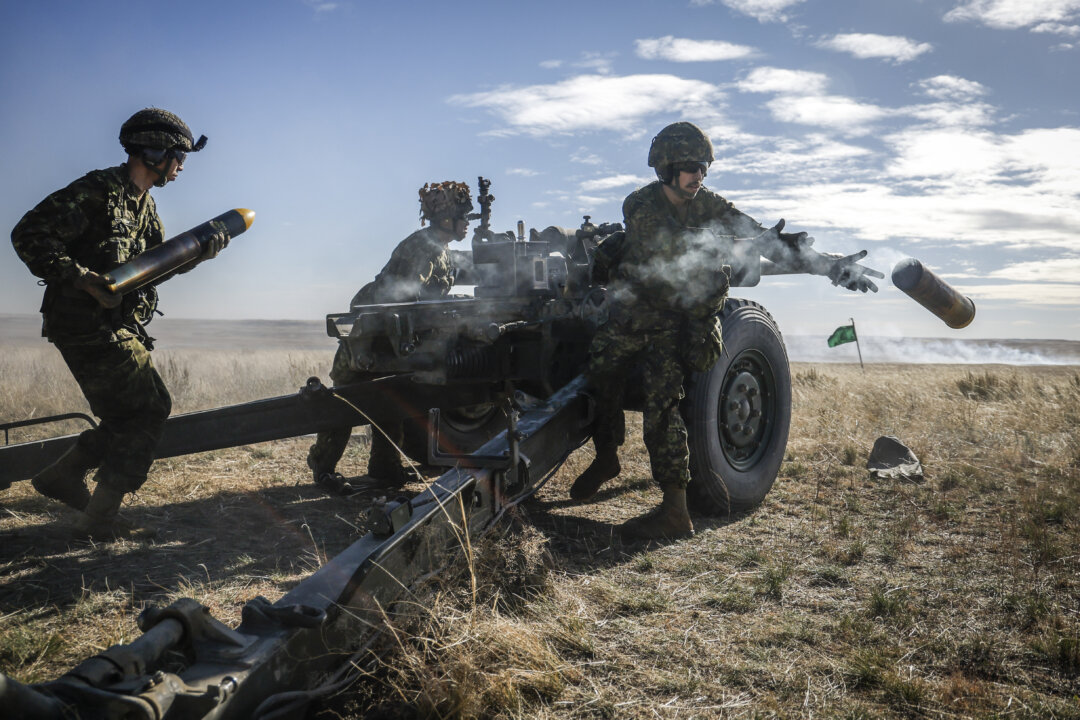
On the eve of Remembrance Day, Canadian Army reservists learned of cuts to employment, training, and part-time opportunities. This contradicts Ottawa’s promises of increased defense spending and military expansion. The author, with extensive military experience, argues these reductions, disguised as a reallocation for readiness, are actually a dismantling of the organizations responsible for generating military readiness.
- Canadian Army is reducing reserve employment, cancelling training, and cutting opportunities for part-time soldiers.
- This contradicts promises of unprecedented defense spending and military expansion.
- The author describes this as a familiar institutional reflex when budgets tighten, protecting the regular force while cutting reservists.
- The cuts are characterized as bureaucratically convenient, strategically reckless, and dishonest.
- The military calls these reductions a reallocation to higher readiness priorities, which the author dismisses as camouflage for weakening the forces.
Write a comment