Oman can't avoid Operation Economic Outcast
President Donald Trump threatened to bomb Oman if it “gets in the way” of American plans for the future of the Strait of Hormuz. Despite the threat, Iran and Oman announced that they are nearing an agreement to open and manage a single corridor through the strait. While this statement doesn’t address tolling, Muscat has previously signaled that it would accept a joint fee-collection mechanism with Iran. This stands in direct opposition to promises from Trump that Hormuz will be “open, safe, and free.”
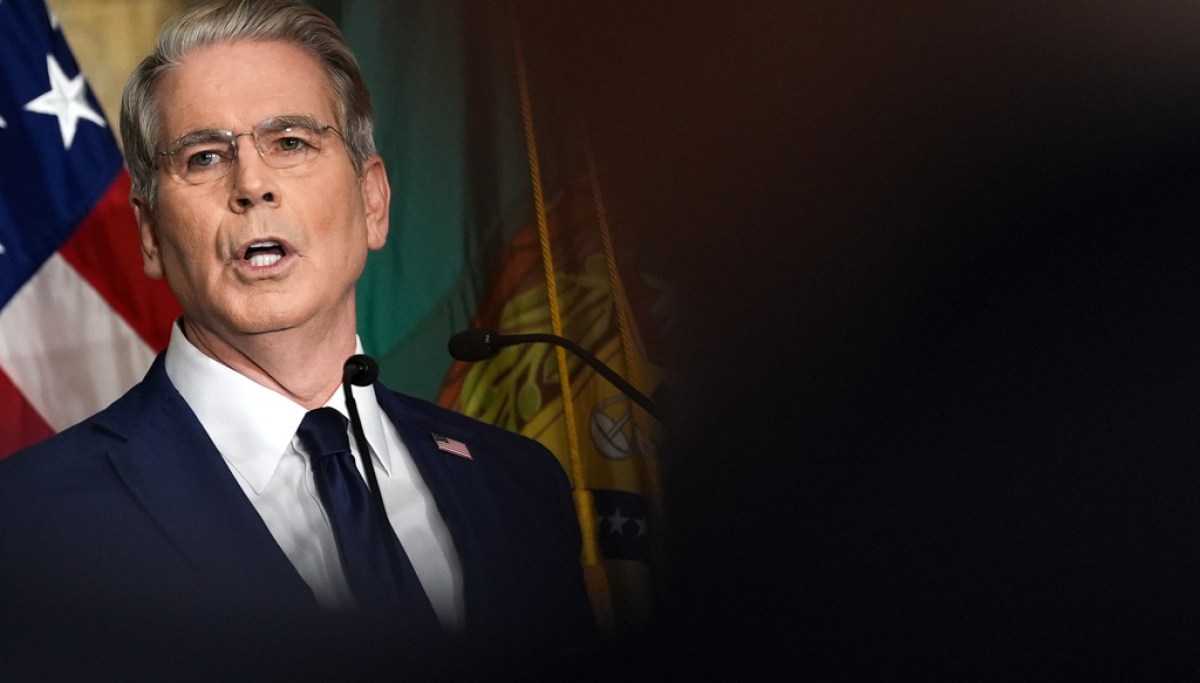
The article argues that Oman facilitates Iran’s sanctions evasion through its financial and commercial infrastructure, enabling activities that contradict U.S. policy. It calls for the U.S. to impose sanctions on Omani institutions if Muscat does not terminate its financial and commercial support for Iran and its proxies.
- Oman is accused of enabling Iranian sanctions evasion through its financial and commercial infrastructure.
- Oman-based companies have been sanctioned for facilitating Iranian oil transport, vessel arrangements, and payment processing for Iranian proxies.
- Omani exchange services facilitate currency conversion between Omani rials and Iranian currency, linked to the hawala system.
- Iranian banks sanctioned by the U.S., such as Bank Melli and Bank Saderat, remain operational in Oman.
- Oman acts as a hub for the Houthi group, providing financial and procurement support.
- The U.S. should impose sanctions on Omani institutions if Muscat does not comply with demands to sever ties with Iran.
Write a comment