Socialists fail math: Everyone can't ride for free
Immanuel Kant’s categorical imperative demands that we act only on principles that could hold as universal law. Apply that test to free-riding, and the conclusion is immediate. If everyone refused to produce and simply claimed a share of what others created, there would be nothing left to claim. Therefore, the maxim “I may consume without contributing” cannot be universalized. It collapses the moment it is generalized. In a free society, the rule must run the other way: no one may ride for free.
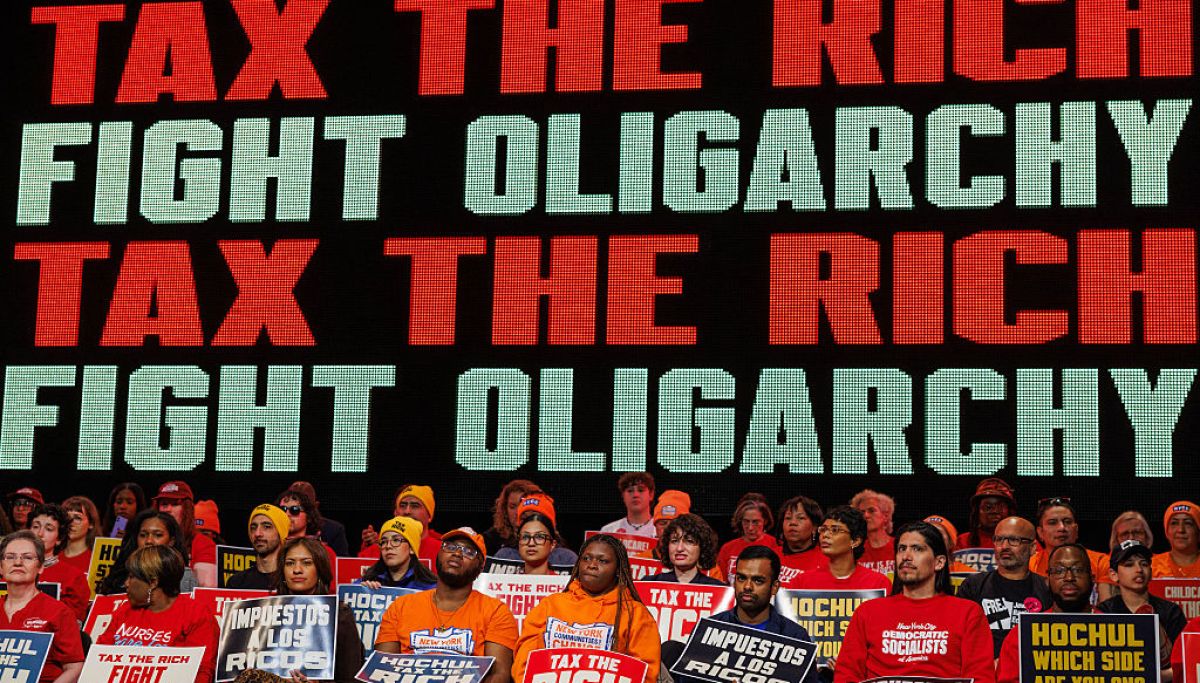
Acting on the principle of consuming without contributing cannot be universalized, as it would result in a lack of any production to claim. In a free society, this free-riding behavior is unsustainable, especially when a significant portion of the population lives as permanent claimants supported by the productive minority. This arrangement violates fundamental ethical principles and places an undue burden on those who generate the societal surplus.
- The principle of consuming without contributing cannot be universalized according to Kant’s categorical imperative.
- If everyone refused to produce and only claimed what others created, there would be nothing left.
- In a free society, the rule should be that no one may ride for free.
- The productive minority is forced to carry a growing number of permanent claimants supported by taxes and transfers.
- Means-tested transfers and related programs move trillions of dollars annually, extracted from the output of producers and consumers.
- This system can only continue as long as enough people refuse to adopt the free-riding maxim.
Write a comment