Trump is gambling the dollar's future. His $20B crypto bet has fatal ‘Ripple’ effects
For over a decade, the U.S. government was a crypto whale. Thanks to dark-web busts and asset forfeitures, Washington quietly built a large digital war chest. The feds did not buy it on purpose. They just seized it, stored it, and auctioned it off for cash. But that era is over. The United States has stopped treating bitcoin like contraband. It is now treating it like a permanent national resource. This shift triggers a big debate over the future of American money.
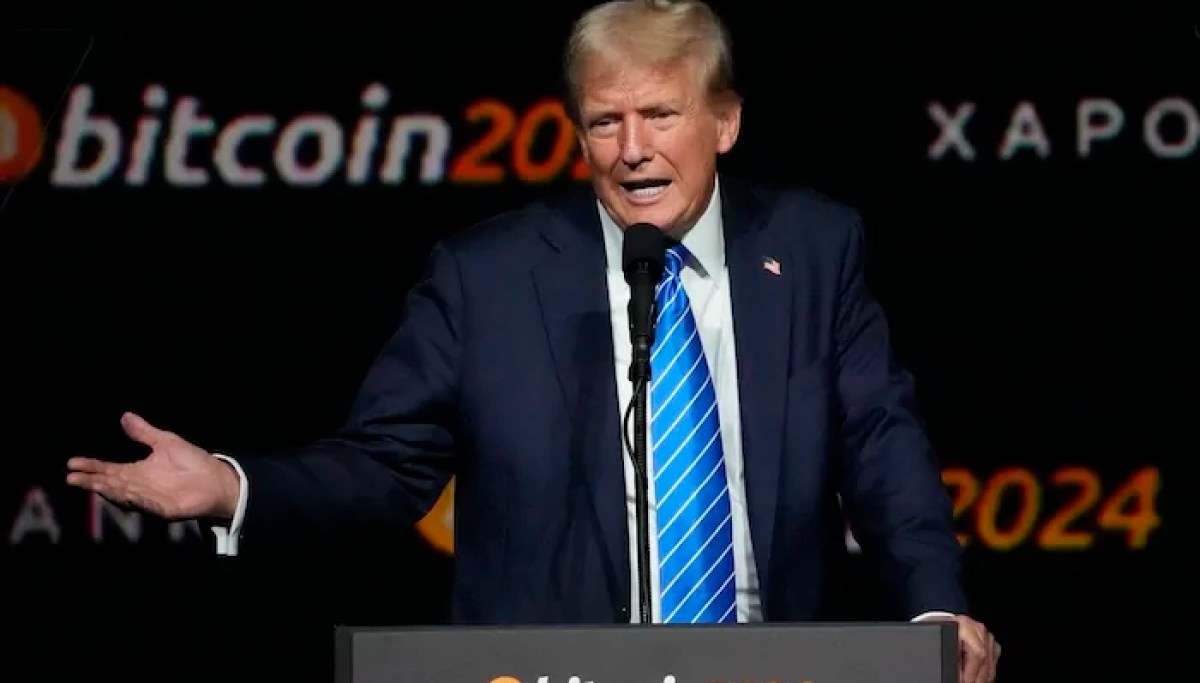
The U.S. government, which amassed a significant Bitcoin reserve through seizures, has shifted its approach from treating it as contraband to a permanent national resource. This move, including an executive order for a strategic Bitcoin reserve, positions the U.S. as a leading crypto owner. Supporters claim this stockpile could stabilize the U.S. dollar by acting as a psychological buffer against devaluation due to its fixed supply.
- The U.S. government has amassed a large Bitcoin reserve (approximately 328,372 BTC) through asset forfeitures.
- This era of acquiring Bitcoin through seizures has ended, with the U.S. now treating it as a national resource.
- A White House executive order established a strategic Bitcoin reserve, referred to as a ‘digital Fort Knox’.
- The U.S. government claims this reserve cost taxpayers nothing and is seen as a national gain.
- A key argument for this strategy is that the Bitcoin stockpile could stabilize the U.S. dollar due to its limited supply.
- The scarcity of Bitcoin can act as a shock absorber, potentially driving capital into the U.S. and supporting the dollar’s purchasing power.
Write a comment