What Decentralization Really Means (in Human Words)

- The World We Live In Is Mostly Centralized :
- image
- Decentralization Starts With a Simple Question
- What Decentralization Looks Like in Real Life
- It’s Not About Removing Humans — It’s About Protecting Them
- Decentralization Gives You Ownership, Not Just Access
- Freedom Isn’t the Absence of Rules — It’s the Presence of Choice
- Why Decentralization Matters Now
- Decentralization Is About Dignity
- In Simple Words
Decentralization is one of those words that gets used everywhere in tech, crypto, and online freedom spaces — but rarely explained in a way that actually makes sense to everyday people. It often sounds abstract, complicated, or reserved for developers and economists. But at its core, decentralization isn’t a technical idea. It’s a human one. Let’s break it down in simple terms.
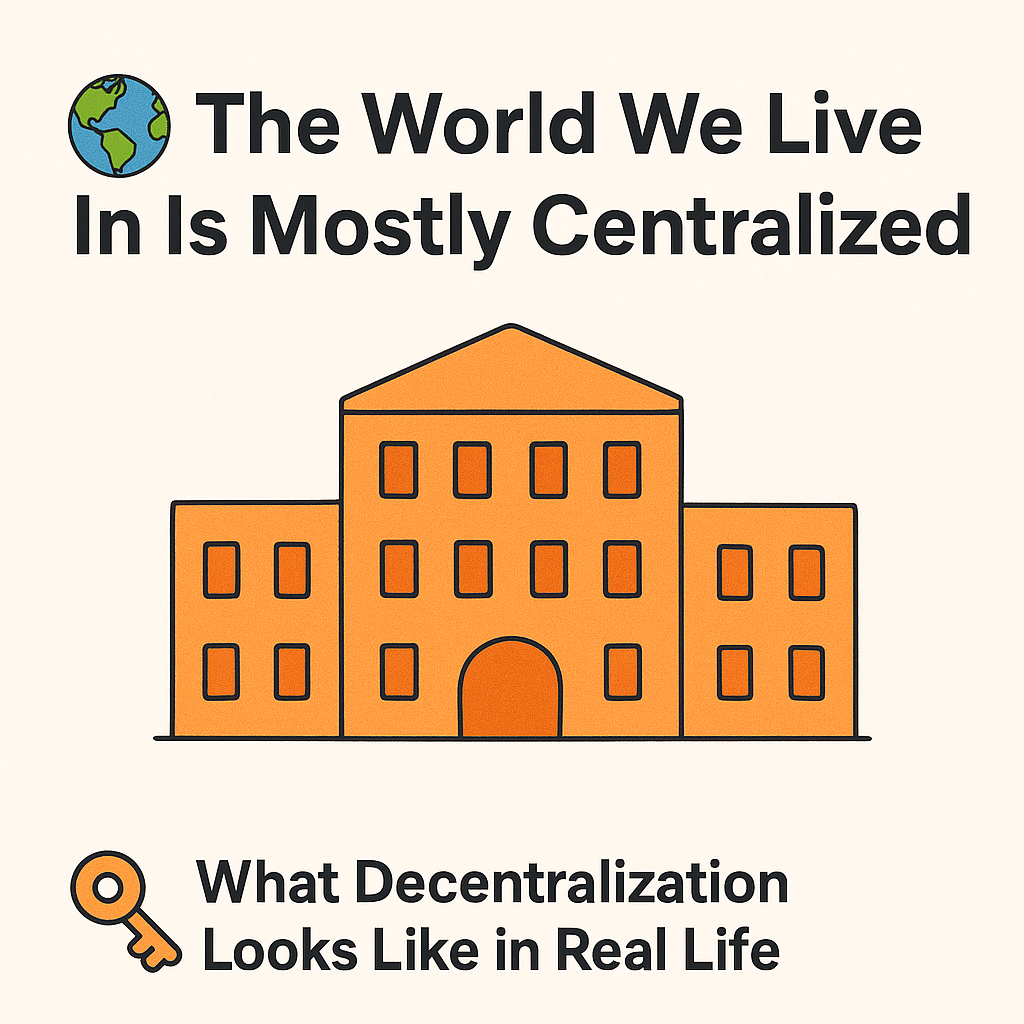
The World We Live In Is Mostly Centralized :
Right now, much of our digital life depends on central points of control. One company controls a social media platform
-
One bank controls your money
-
One server controls access to information
-
One authority decides what stays online and what disappears
When things are centralized, power flows upward — away from users and toward institutions. This model is efficient, but it comes with trade-offs:
-
Accounts can be frozen
-
Content can be removed without explanation
-
Rules can change overnight
-
Access can be denied based on location, politics, or policy
Centralization asks you to trust the system — even when you have no voice in how it works.
Decentralization Starts With a Simple Question
Decentralization asks something very basic:
“What if no single entity had total control?”
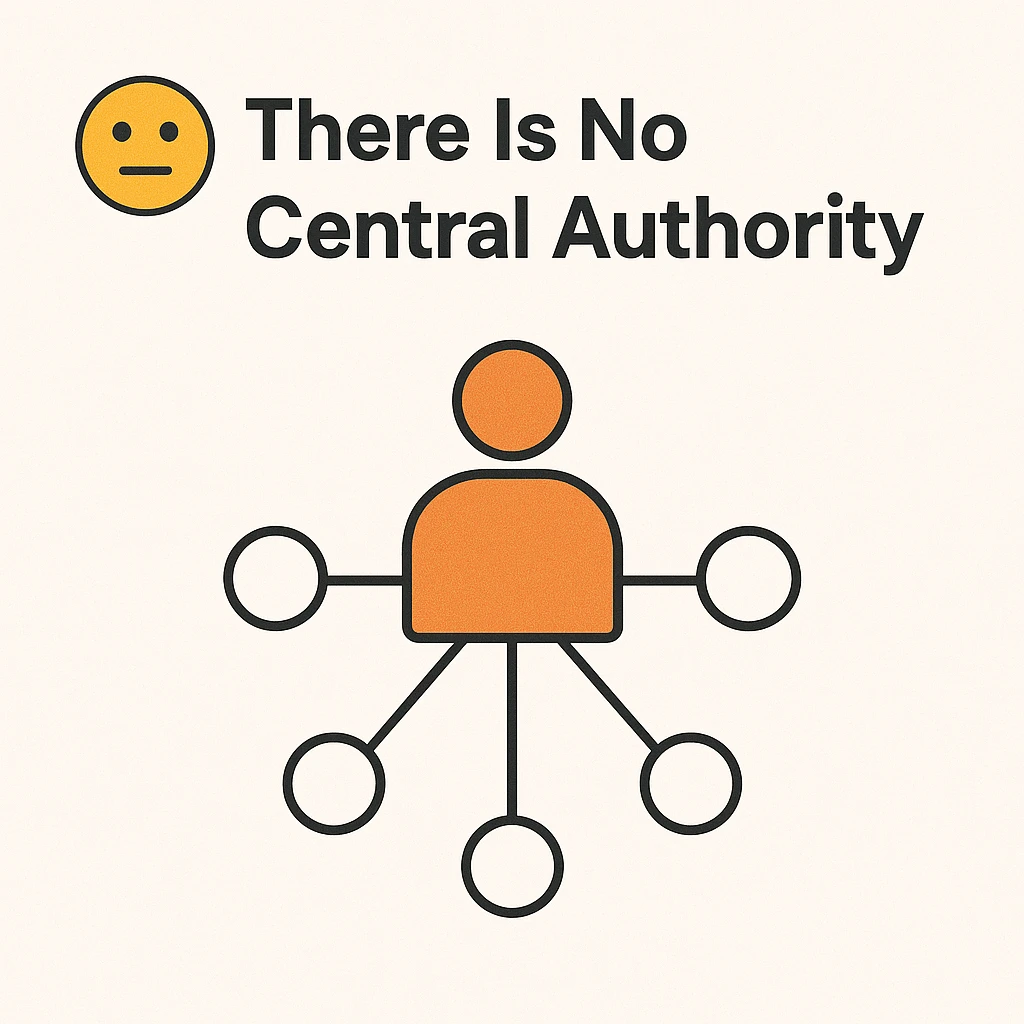
Instead of one company, one server, or one authority deciding everything, control is distributed across many participants.
No single person or organization can: Shut it down completely
-
Rewrite the rules alone
-
Silence everyone at once
-
In human terms, decentralization means shared power.
What Decentralization Looks Like in Real Life
Think of it like this:
-
A centralized system is a single key that opens or locks everything
-
A decentralized system is many keys, held by many people
If one key is lost or abused, the system doesn’t collapse. This applies to:
-
Money → peer-to-peer instead of bank-controlled
-
Media → creator-owned instead of platform-owned
-
Information → openly verifiable instead of gatekept
-
Identity → user-controlled instead of platform-assigned
Decentralization reduces dependency on permission.
It’s Not About Removing Humans — It’s About Protecting Them
One common misunderstanding is that decentralization wants to eliminate institutions or authority entirely. That’s not true.
Decentralization isn’t anti-organization — it’s anti-abuse.
It’s designed for a world where:
-
Mistakes happen
-
Power can corrupt
-
Systems can fail
By distributing control, decentralization creates resilience. It limits how much damage any single actor can do.
Decentralization Gives You Ownership, Not Just Access
In centralized platforms:
-
You use the platform
-
You borrow your account
-
You rent your audience
In decentralized systems:
-
You own your identity
-
You own your content
-
You own your connections
Ownership changes behavior.
It turns users into participants instead of products.
Freedom Isn’t the Absence of Rules — It’s the Presence of Choice
Decentralization doesn’t mean chaos.
Rules still exist — but they’re:
-
Transparent
-
Verifiable
-
Agreed upon rather than imposed
Instead of trusting promises, users can verify outcomes.
That’s a quiet but powerful shift.
Why Decentralization Matters Now
We live in a time of:
Growing digital surveillance
-
Platform dependency
-
Algorithmic control
-
Financial exclusion
-
Information manipulation
Decentralization offers an alternative path — one where:
-
No single failure takes everything down
-
No single voice controls the narrative
-
No single authority owns your digital life
It doesn’t solve every problem. But it changes who holds the power to solve them.
Decentralization Is About Dignity
At its heart, decentralization is about respecting individuals. It says:
-
You shouldn’t need permission to exist online
-
Your voice shouldn’t depend on approval
-
Your value shouldn’t be extracted without consent
Decentralization is not a trend. It’s a response to imbalance.
In Simple Words
Decentralization means:
-
Less control at the top
-
More responsibility at the edges
-
Systems built for people, not just profit
It’s not perfect. It’s not easy. But it’s human. And that’s why it matters.
Write a comment