El efecto Ortega-Murillo: arancel del 18% de Donald Trump sacude la competitividad de Nicaragua
Donald Trump impuso un arancel del 18% a las exportaciones de Nicaragua, muy por encima del 10% aplicado al resto de Centroamérica, una decisión con trasfondo político y económico. Esto encarece los productos nicaragüenses, reduce su competitividad y amenaza sectores clave como el textil, automotriz y zonas francas. Pese a las tensiones entre ambos países, economistas aseguran que Estados Unidos seguirá siendo el principal socio comercial de Nicaragua. Diver-Check te explica
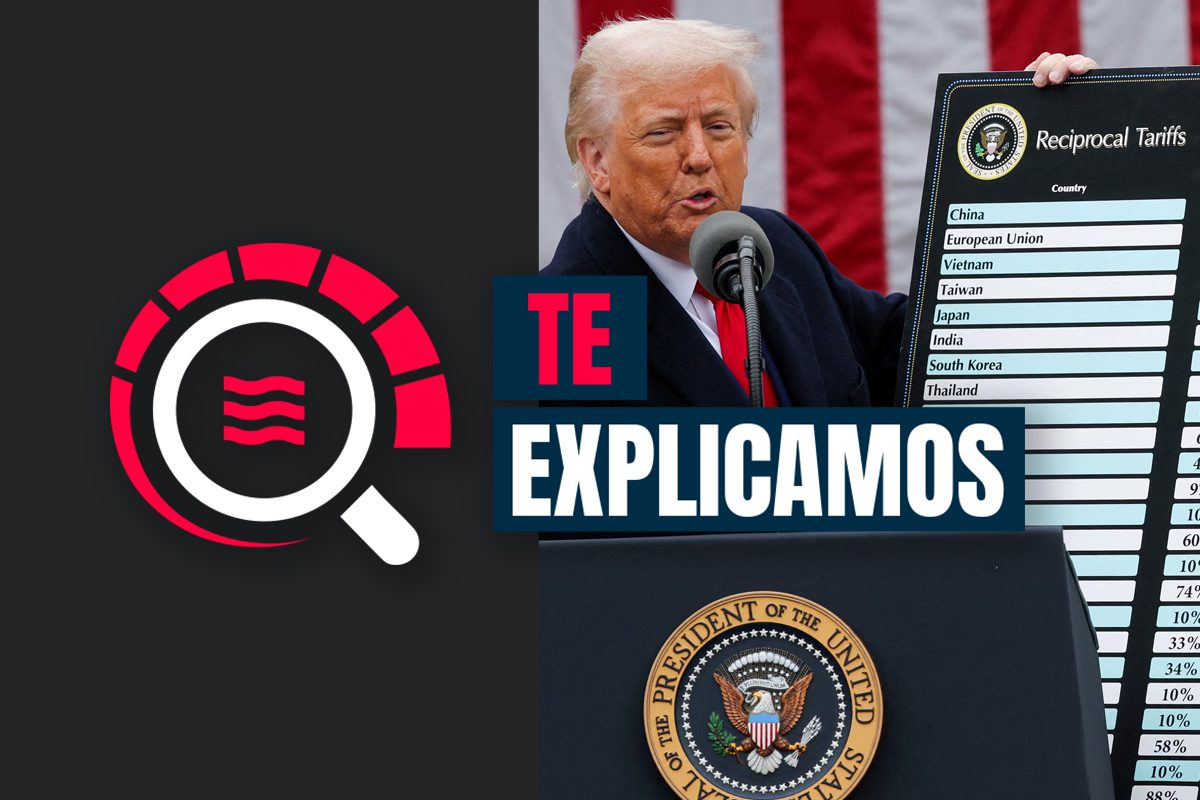
El efecto Ortega-Murillo: arancel del 18% de Donald Trump sacude la competitividad de Nicaragua US President Donald Trump has imposed global import tariffs, with Nicaragua facing an 18% tax on its exports, higher than other Central American nations. The US administration cited significant trade surpluses and unfair trade practices as reasons, but political tensions and human rights concerns also played a role. This measure is expected to decrease Nicaraguan exports and impact its economic competitiveness.
- US President Donald Trump has imposed global import tariffs, with Nicaragua facing an 18% levy, the highest in Central America.
- The US administration justified the tariffs based on bilateral trade deficits and what it termed unfair trade practices, particularly Nicaragua’s significant trade surplus.
- Political factors, including diplomatic tensions and concerns over human rights in Nicaragua, also contributed to the decision.
- The higher tariffs are expected to make Nicaraguan exports less competitive compared to those from other Central American countries, potentially leading to reduced exports and economic impact.
- Despite Nicaragua’s trade agreement with the US (DR-Cafta), the US executive branch has the authority to impose tariffs for national security reasons, which takes precedence.
- The primary destination for Nicaragua’s exports remains the United States, making this tariff increase particularly significant for its economy, especially for sectors like textiles and agriculture.
Write a comment