Mireille Fanon: "No hay posibilidad de capitalismo sin racismo" - Correo del Orinoco
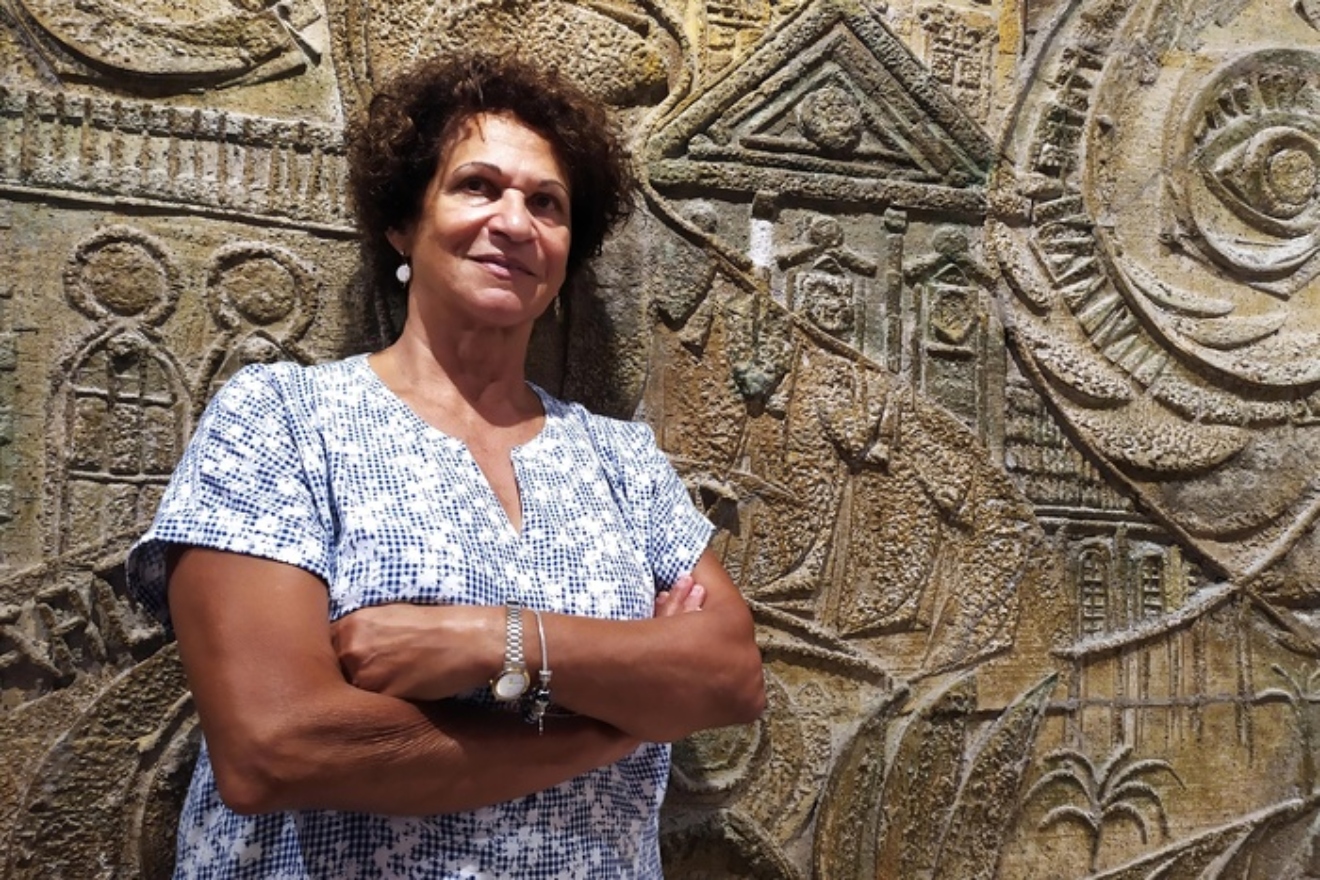
Mireille Fanon: “No hay posibilidad de capitalismo sin racismo” - Correo del Orinoco Mireille Fanon Mendès France asserts that capitalism and racism are intrinsically linked, stemming from the colonial system and perpetuating genocide worldwide. She highlights the struggles of the Mapuche people in Argentina and the Palestinians, drawing parallels to historical and ongoing territorial conflicts and the denial of basic rights. Fanon argues that these injustices are rooted in colonialist supremacy and the pursuit of territory and resources, perpetuated by states that disregard international law and indigenous sovereignty. She proposes collective resistance and a decolonial process as a means to achieve reparations and rebuild a sense of shared humanity, emphasizing that true self-determination requires a rupture with capitalism and Eurocentric modernity.
- Mireille Fanon Mendès France connects the capitalist system with racism, stating that one cannot exist without the other, both originating from the colonial system.
- She identifies genocide, territorial expulsion, and criminalization as ongoing issues faced by indigenous peoples like the Mapuche in Argentina, and also by Palestinians.
- Fanon views colonization as the root cause of territorial conflicts globally, including in the Middle East and Africa.
- She criticizes the Argentine state’s actions against the Mapuche, noting that despite protections like ILO Convention 169, they are prevented from living on their lands and criminalized for resistance.
- The activist draws parallels between the colonization of indigenous and African peoples and the ongoing situation of the Mapuche, asserting their right to sovereignty and self-organization.
- Fanon distinguishes the situation in Martinique, where Afro-descendants struggle to unite due to alienation from white supremacy, from the Mapuche people’s fight for their cultural heritage and land.
- She points out that while Palestinians have property titles, Israel’s denial and expulsion of Palestinians lead to massacre, mirroring methods used against the Mapuche.
- Fanon explains that capitalist ambition for resources like water and gas fuels conflicts, leading to the violation of elementary rights such as access to water for the Mapuche.
- She critiques the ‘will of the West’ to expand modernity, citing historical decrees that authorized conquest and colonization, and a perceived right to kill non-Christian or indigenous peoples.
- Fanon asserts that international law is delegitimized, allowing for the killing of indigenous people without justice, and notes increasing police violence against marginalized groups in France.
- She believes the current government in Argentina continues policies established since the 15th century, characterized by land appropriation, resource plundering, racism, and warfare against indigenous peoples.
- Fanon suggests that isolated struggles for identity and territorial recovery are exhausting, advocating for united efforts among peoples with shared histories of oppression.
- She criticizes Argentine justice for dismissing the voice of the Mapuche people, attributing this to a power imbalance and a dominant colonial superiority or racism from the majority population.
- Fanon describes the treatment of the Mapuche as sociocide, ethnocide, and terracide, impacting both their people and ancestral lands desired by corporations and landowners.
- She proposes a collective decolonial process for reparations, not just individual monetary compensation, to rebuild a sense of humanity and alterity broken by colonization.
- Fanon questions the compatibility of a Plurinational State with capitalism, viewing it as a construct of dominant whites that can mask colonial desires, and emphasizes the need for a total rupture with capitalism and Eurocentric modernity.
Write a comment