How new ‘transnational repression’ measures could affect the lives of Russians in Europe
On June 16, the European Parliament adopted a resolution on countering “transnational repression” targeting journalists, human rights defenders, and activists in exile. Lawmakers named Russia as one of the main perpetrators and called for shielding political exiles from frozen bank accounts, denial of consular services, and passport revocations. The Parliamentary Assembly of the Council of Europe (PACE) adopted a similar resolution on June 25, with input from the platform for dialogue with Russian Democratic Forces. Meduza explains how these measures could affect the lives of Russians in Europe.
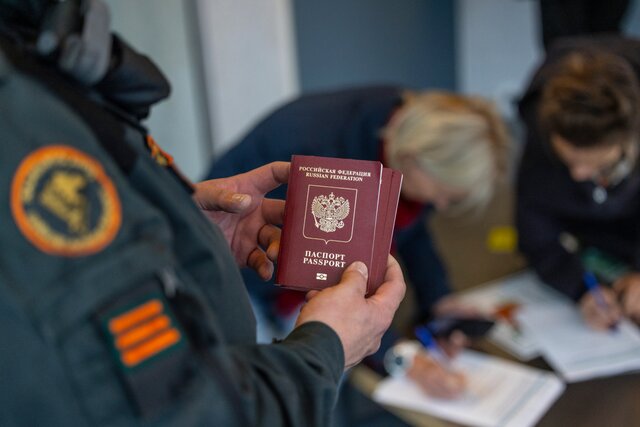
The European Parliament and the Parliamentary Assembly of the Council of Europe (PACE) have adopted resolutions against ‘transnational repression,’ a term defined as deliberate acts by countries of origin against individuals or groups abroad. Russia is identified as a primary perpetrator, using methods like killings, surveillance, and passport revocations. The resolutions propose measures such as a pan-European monitoring system, training for officials, and guarantees for bank account access and emergency financial support for at-risk individuals.
- European Parliament and PACE adopted resolutions targeting ‘transnational repression’ by countries like Russia, Iran, China, and Belarus.
- Transnational repression includes acts like killings, surveillance, digital harassment, passport revocations, and denial of consular services.
- Resolutions propose a pan-European monitoring system, a coordinator on transnational repression, and training for law enforcement and judicial bodies.
- Measures include ensuring access to bank accounts, creating mechanisms for emergency financial support, and developing ways for victims to obtain temporary documents.
- Russia is noted for using Interpol to request information on political opponents and for having numerous red notices overturned.
- The resolutions are political signals and not legally binding, with implementation left to EU member states.
- The measures are being adopted amidst tightening migration policies in the EU.
- The adoption of these resolutions aims to establish common rules and provide a basis for legal action and lobbying at national levels.
Write a comment