Reading when you grow up modern fairy tale through logistics
- What the story says about choosing a route
- Comparing the transport choices
- A delivery-time calculation from Tyoma’s trip
- When the shorter route is not the better choice
What the story says about choosing a route
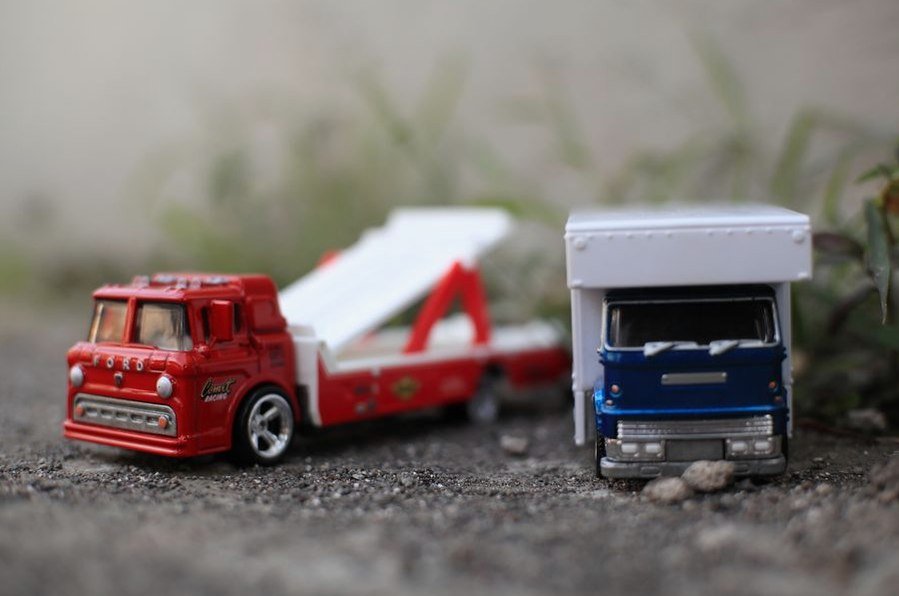
In «When You Grow Up», a small blue truck named Tyoma must deliver building blocks to a kindergarten. A roadworks detour would add an hour, so he takes a forest path instead; he reaches the destination thirty minutes late after stopping to help animals. The story makes a useful comparison between the shortest route on paper and the route that remains practical when conditions change.
For a single delivery of blocks, Tyoma’s size is not presented as a problem: he has been entrusted with the job, and the text gives no load weight or truck capacity. His parents carry larger loads and heavy purchases, which suggests a basic distinction between a small vehicle handling a modest consignment and a larger truck serving cargo that needs more space. The tale does not provide enough measurements to calculate how many blocks either vehicle can carry.
Comparing the transport choices
The roadworks route is predictable in one respect: its stated cost is an extra hour. That may be the safer choice for a scheduled delivery if the forest path is unsuitable for the vehicle or cargo. A rough or narrow track could be a poor fit for heavy purchases, even if it appears shorter; the story does not describe the path’s width, surface, or any truck restrictions.
The forest route looks faster for Tyoma’s small truck, with only a couple of minutes added to the drive. But that estimate covers travel, not interruptions. He stops for a lost squirrel and an injured frog, and the animals’ help explains the delay to the teacher, not the delivery schedule. For a real shipment, a route estimate should account for road conditions and likely stops rather than treating the shortest path as a guaranteed arrival time.
The story’s distinction between vehicle sizes also matters when comparing cargo types. A compact truck suits a limited load such as the kindergarten’s building blocks if the cargo fits securely. A larger vehicle makes more sense for bulky furniture or other heavy purchases, the sort of loads Tyoma’s parents carry. Choosing a bigger truck for a small consignment would not necessarily improve the trip; the story offers no cost or capacity figures, so those would need checking before deciding.
A delivery-time calculation from Tyoma’s trip
Consider a hypothetical schedule based on the times in the tale. If the kindergarten expects the blocks at 10:00, and the roadworks detour adds 60 minutes, Tyoma should plan for an 11:00 arrival by that route. If the forest route adds about two minutes of driving, the expected arrival would be around 10:02, assuming he leaves at the same time and travels without stops.
In the story, he arrives thirty minutes late, or at about 10:30 in this example. That is roughly 28 minutes later than the forest-route estimate. The difference is an illustration, not an exact account of how long each encounter took: the tale does not give the departure time, driving speed, or duration of the stops. The practical lesson is to keep route time and contingency time separate when promising a delivery slot.
Readers looking for the original when you grow up modern fairy tale can follow Tyoma’s trip as a child-friendly example of this tradeoff. He chooses a quicker path, but events on the road change the arrival time. A dispatcher handling actual cargo would compare the roadworks delay with the forest route’s suitability, then add a realistic buffer instead of promising the best-case estimate.
When the shorter route is not the better choice
The forest path is not automatically preferable just because it avoids an hour-long detour. If a vehicle cannot safely carry its load there, or if the surface risks damaging cargo, the longer road may be the sounder option. The story gives no details that settle those questions, so its route comparison is about decision-making rather than a universal rule.
Tyoma also shows why a delivery plan needs room for unexpected events. His task is small enough for his truck, but the route brings responsibilities beyond moving the blocks. For a practical plan, identify the cargo and vehicle first, compare the stated travel times, and decide whether the faster route can handle both safely. Then set the delivery time with enough allowance for foreseeable delays.
Write a comment