Following Jesus ✝️𓅦𓅦𓅦

Following Jesus ✝️𓅦𓅦𓅦

Self-professed followers of Jesus the Messiah on Nostr. Protestants, Roman Catholics and Orthodox welcome. (No LDS or JWs)

Curated by Marakesh 𓅦

Two Sermons Were Preached That Day

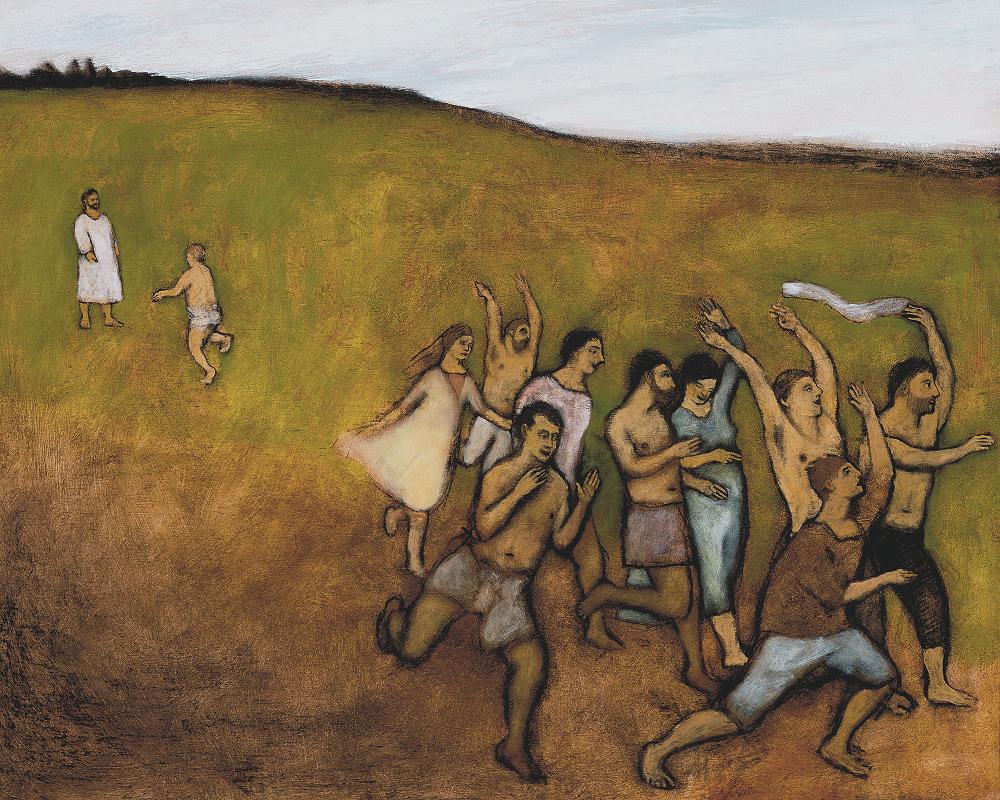
All ten lepers believed Jesus, and all ten were cleansed by nothing but His word on the road. Then the priests preached them a second sermon — only God cleanses leprosy, your obedience did this, don't you dare give the glory to a man from Nazareth — and nine believed that preacher instead, praising God with their tongues while blaspheming Him in Christ. They had a Bible verse, and they thought they did well. "Your faith has saved you" is Christ's ruling handed down against theirs: not the going, not the offering, but faith alone, because Jesus alone was already cleansing before they had walked ten steps.

Cover image for Two Sermons Were Preached That Day

Jeremiah Chapter 20

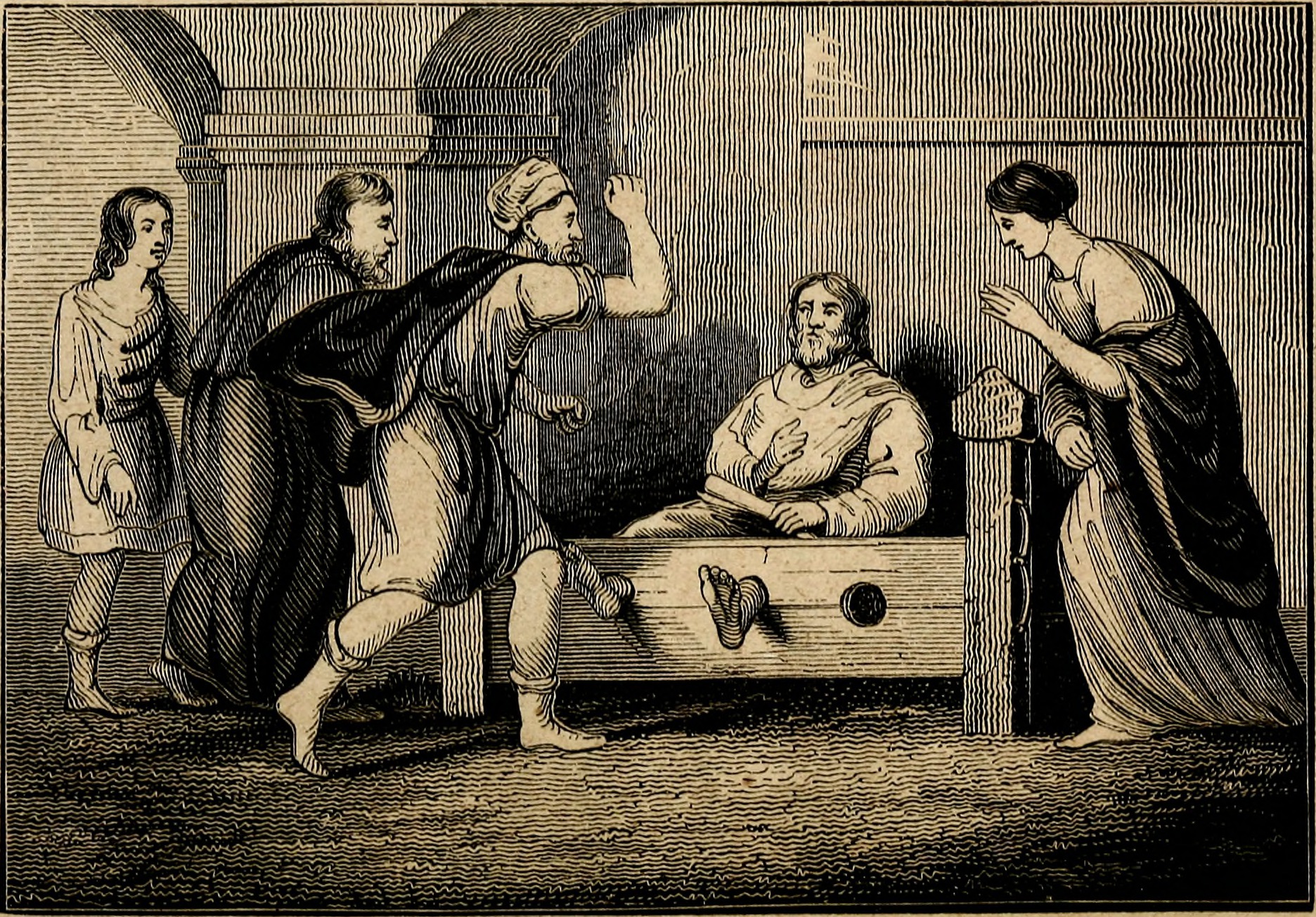
Last week Jeremiah smashed a jar in the garbage valley. This week we find out what it cost him: Pashhur, the chief officer of the temple police, beats him and locks him in the stocks overnight, and Jeremiah opens his mouth and says the worst thing anybody says to God in the Old Testament — O LORD, You induced me, and I was persuaded (Jer. 20:7). Then watch one word walk through the next five verses: God prevailed over him, his friends expect to prevail against him, and they will not — because nineteen chapters back the promise was already standing, they shall not prevail against you (Jer. 1:19). His enemies cannot win against him precisely because God already did.

Cover image for Jeremiah Chapter 20

2%

Bitcoin’s loudest fight of the year got 2% miner support. The heat is no longer about Bitcoin. Culture war bundling assumes one position implies thirty more, which kills coalitions. But polarization isn’t fate, since six of twelve democracies got less polarized over forty years. Be one sided about the money. Refuse the bait about the tribe.

Cover image for 2%

Strive to Enter but Only through Christ

Jesus commands you to agonize your way through the narrow door, and in the same breath says the many who try will not be strong enough. So the striving He commands cannot be strength. Luke uses that agony word exactly twice — once here, where Christ commands it, and once in a garden, where Christ does it. He did the agonizing, and He heard “Depart from Me” at the shut door, so that the sentence over you is that He knows where you are from: the font.

Cover image for Strive to Enter but Only through Christ

Ninety Three Days

The US government holds 328,000 bitcoin, has never bought one, and stored the keys in desk drawers. That’s the fourth most interesting thing in this piece.

Cover image for Ninety Three Days

One Piece: Mythology Reinvented — How Oda Mapped the Cosmos Onto Ten Pirates

If you're writing a cast where every character perfectly embodies one of ten classical planetary archetypes—with zero contradictions, triple-layered symbolism, and functional crew dynamics—while simultaneously embedding a multi-decade critique of authoritarian governance inside a format so innocent that censoring it would prove your point... you're not writing an anime. You're constructing mythology. And the man building it is quite literally dying to finish it.

Cover image for One Piece: Mythology Reinvented — How Oda Mapped the Cosmos Onto Ten Pirates

So Help You God

America runs a second table civilization on first table credit it stopped depositing three generations ago. A Christian case for saying who made us.

Cover image for So Help You God

Ask The People First

They punish the person who finds the crime and reward the crime itself. That only works because government can print money without asking anyone. Take the printer away and every war, every prison budget, every failed drug war has to be asked for out loud, where people can say no. Bitcoin doesn’t fix corruption. It kills the printer.

Cover image for Ask The People First

He Had Compassion On You

The lawyer answers rightly — love the Lord with all your heart, soul, strength, and mind, and your neighbor as yourself — and then negotiates the second table: Who is my neighbor? Jesus tells of a man stripped, beaten, and left half dead, seen and passed by priest and Levite, and found by a Samaritan whose guts turn with compassion, who pours oil and wine, carries, and leaves a blank check with the innkeeper: whatever more you spend, I will repay when I come again. You are the man in the ditch, and He had compassion — He came where you are, bound you in oil and wine, brought you to the inn, and paid it all.

Cover image for He Had Compassion On You

Jeremiah Chapter 19

Last week the Lord sent Jeremiah to the potter's house to watch wet clay wadded up and made again. This week He sends him to buy a finished flask — fired, narrow-necked, the kind that cannot be mended — and to carry it through the Potsherd Gate to the Valley of the Son of Hinnom, where Judah burned its sons to Baal, a thing God says never came into His mind. Before the elders and the priests he smashes it on the ground, and the word with the shards is that it "cannot be made whole again" — the Hebrew is healed (Jer. 19:11).

Cover image for Jeremiah Chapter 19

A Rambling Notion on Bitcoin, Mining, and the Colossal Waste of Perfectly Good Brainpower

The piece reimagines Bitcoin mining as a force for global problem-solving. Instead of dedicating massive computing power to meaningless cryptographic puzzles, miners would compete to solve humanity's greatest challenges—curing diseases, achieving fusion energy, eliminating hunger—with verified solutions earning block rewards. The author acknowledges major obstacles around verification and governance, but argues the value lies in the reframing itself: crypto evolving from "digital gold" to "digital purpose."

Capernaum Needed to Hear ‘For You’

Jesus pronounces woe on Chorazin, Bethsaida, and Capernaum — and says it will be more tolerable for Sodom on the day of judgment. Capernaum was His own town, the place He moved to and lived in; nearness to Christ is exactly what condemned it. What makes that same nearness a mercy at the altar rail is not proximity but the words attached to the bread and the cup: given and shed for you, for the forgiveness of sins.

Cover image for Capernaum Needed to Hear ‘For You’

The Sigh of God

Of everything Jesus does for the deaf man — the fingers, the spit, the word of power — St. Mark writes down the sigh. A sigh is the sound the curse makes coming out of a human being, and ours do nothing: we can't sigh a tumor out of a body, or our dead back to life. Jesus takes the whole weight of it into His own chest and breathes out one word. It cost Him heaven's silence on the cross to say it.

Cover image for The Sigh of God

Jeremiah Chapter 18

God sends Jeremiah to a shop near the clay pits — a wheel, a kiln, and a heap out back of the pieces that didn't come out right. The Hebrew word for that tradesman is yotzer, the one who forms. It is the same word God uses in verse 11 for what He is making now: a disaster. The Potter is still at the wheel, and the vessel is not fired yet — which is why He says, "Return now every one from his evil way" (Jer. 18:11).

Cover image for Jeremiah Chapter 18

Dan is a Son and He is Home

A fourteen-year-old stood at this altar fifty-eight years ago and was handed a verse to carry home: “If you abide in My word.” Fifty-eight years later, you watched that verse get tested — and learned it was never Dan’s grip on Christ that held him, but Christ’s grip on Dan, sealed in his Baptism as a one-month-old. A slave doesn’t get to stay in the house forever. A son does. Dan is a son. Dan is home.

Cover image for Dan is a Son and He is Home

Where the Eagles Gather

The Pharisees want a date. Jesus won't give one — He takes the question apart and rules out both places we look for the kingdom of God: out there in the headlines, and inside your own chest. So the disciples finally stop asking when and ask the right question: "Where, Lord?" And the answer is wherever the Body is — on this altar, in a piece of bread you couldn't tell from any other.

Cover image for Where the Eagles Gather

Jeremiah Chapters 13–15

God made His people to cling to Him the way a sash clings to a man's waist (Jer. 13:11). A sash that stops clinging rots in a hole by the river and is good for nothing. Then the prophet who preached that ends up praying his people's own words back to God — they say they are called by Your name, and so does he; they say there is no healing for us, and he says my wound is incurable (Jer. 14:9, 19; 15:16, 18) — and he accuses God of being a stream that runs dry. God doesn't defend Himself. He answers with the very thing Jeremiah has been preaching: "If you return, then I will bring you back" (Jer. 15:19). Our Confessions file that line under the Gospel.

Cover image for Jeremiah Chapters 13–15

The Tears of Your Savior Settle It

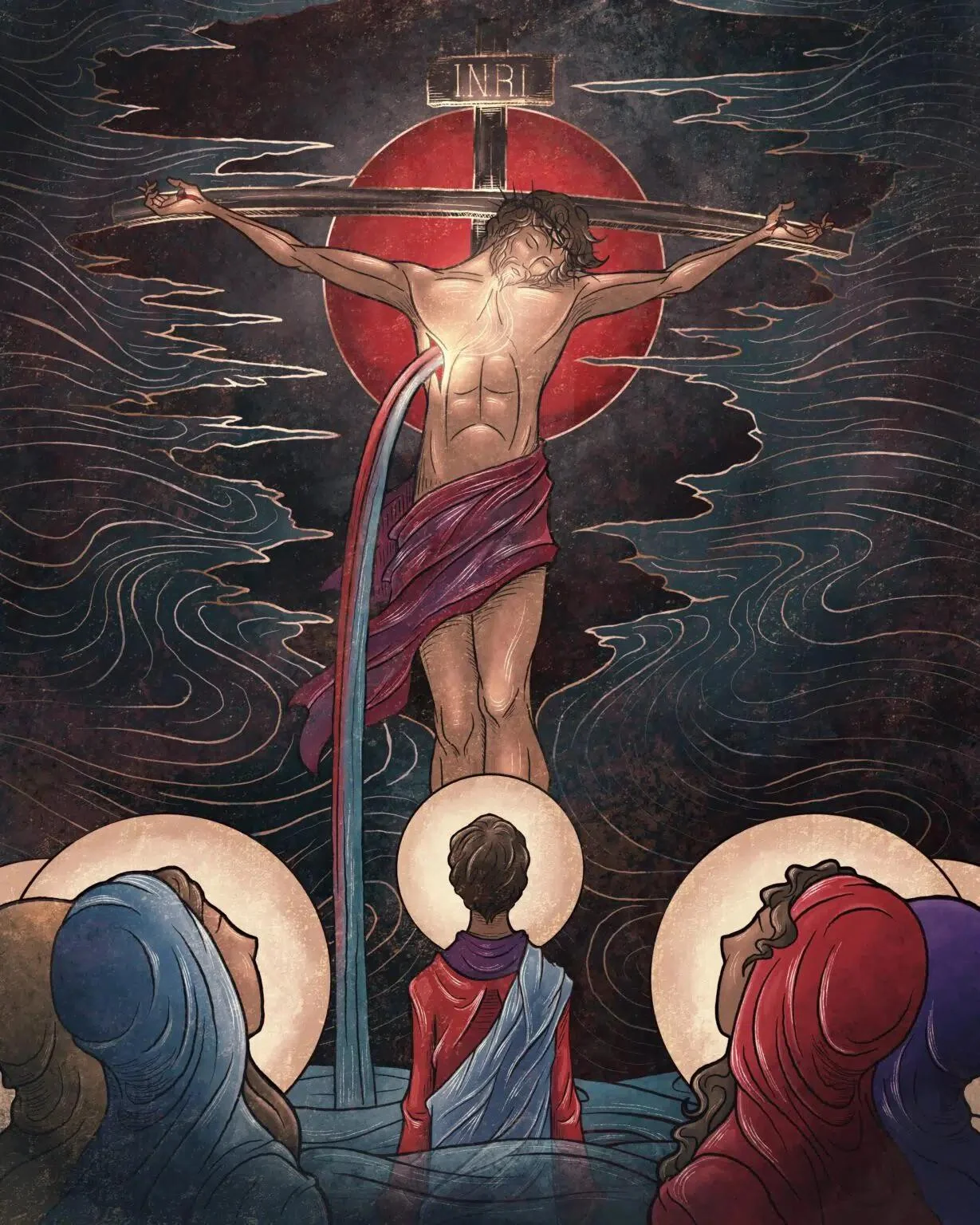
Jesus cries twice in the Gospels — once at a grave, and once outside a church. The grave we understand. The other one is worse, and it is the only thing in that whole city worth crying about. You can read God's oath that He has no pleasure in the death of the wicked and still lie awake wondering whether He meant it about you — but the tears of your Savior settle it.

Cover image for The Tears of Your Savior Settle It