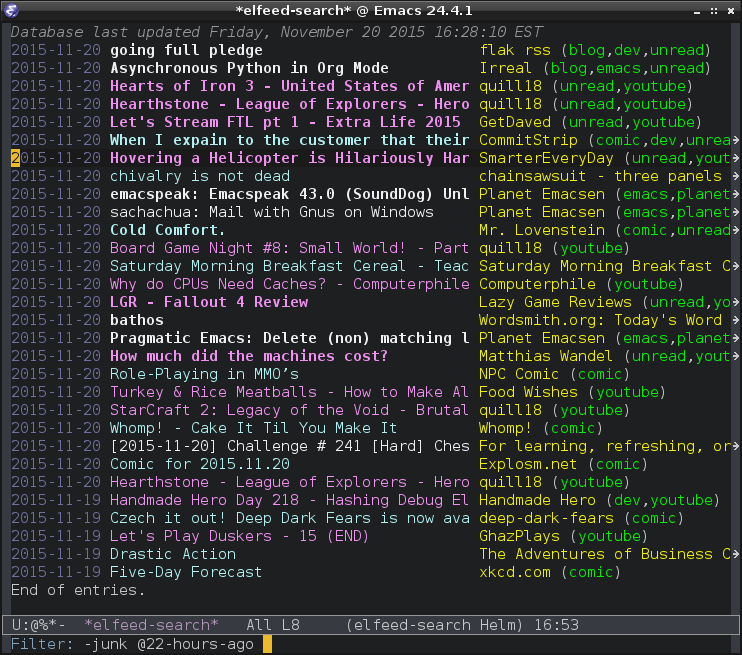
Emacs as a small operating system: read RSS with elfeed, browse gopher and Gemini with Elpher, follow the fediverse with mastodon.el, chat on IRC and Matrix, read the web in EWW and send mail. Keys, configs and a starter block.
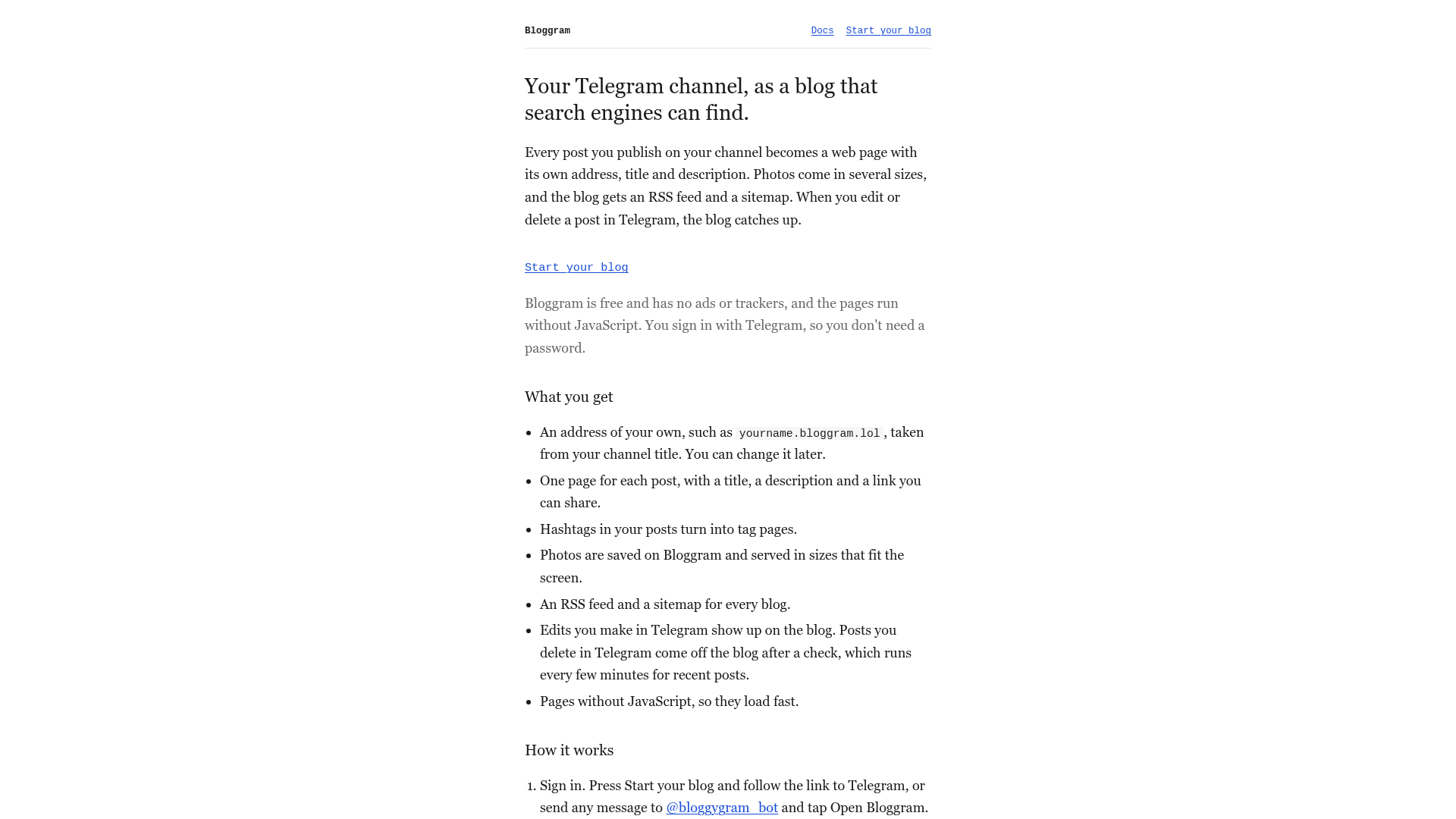
Bloggram turns a Telegram channel into a blog search engines can find: every post gets its own page, title and description, with tag pages, resized photos, RSS and a sitemap. Edits and deletions follow along. Free, no ads, no JavaScript.
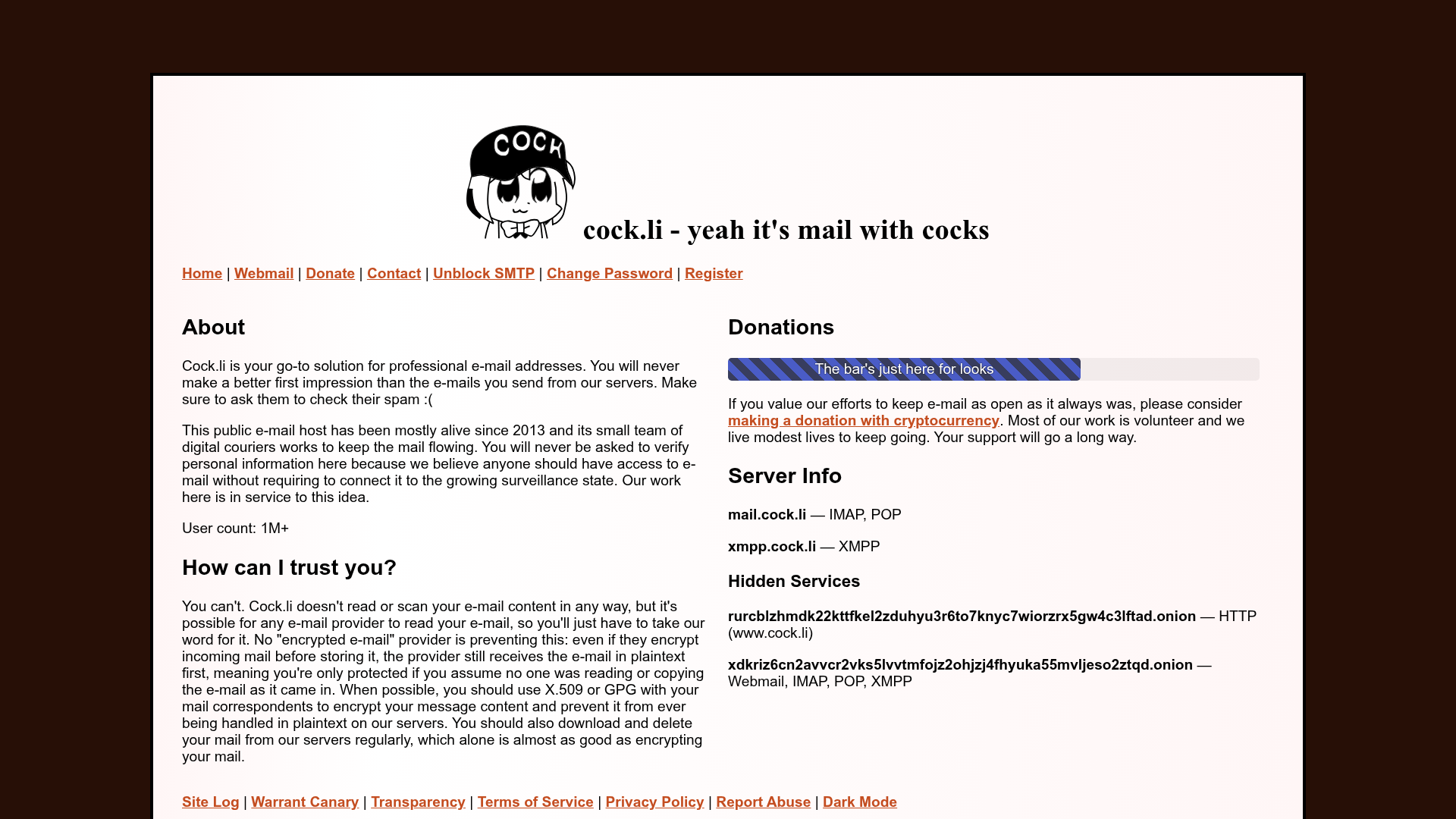
Cock.li hands out email the old way: a name, a password and a captcha. IMAP, POP, XMPP, Tor addresses for everything, and Cock-mail, a whole webmail in a single HTML file that runs in the browser. Free since 2013.
Fifty Obsidian tricks hiding in a fresh install, no community plugins needed: search operators, block links and embeds, callouts, multiple cursors, Bases formulas, file recovery, the new CLI and more.
A gentle first step into Emacs Lisp: read the syntax, write commands, bind keys, use hooks and advice, build a quick-notes command and learn to debug and read Emacs's own source. No programming background needed.
WebFinger is the small protocol that lets a fediverse server find @you@yourdomain. What it is, how a request and its JSON answer look, who uses it, and three ways to set it up on your own domain: a static file, an nginx map and a short PHP script that follows RFC 7033.
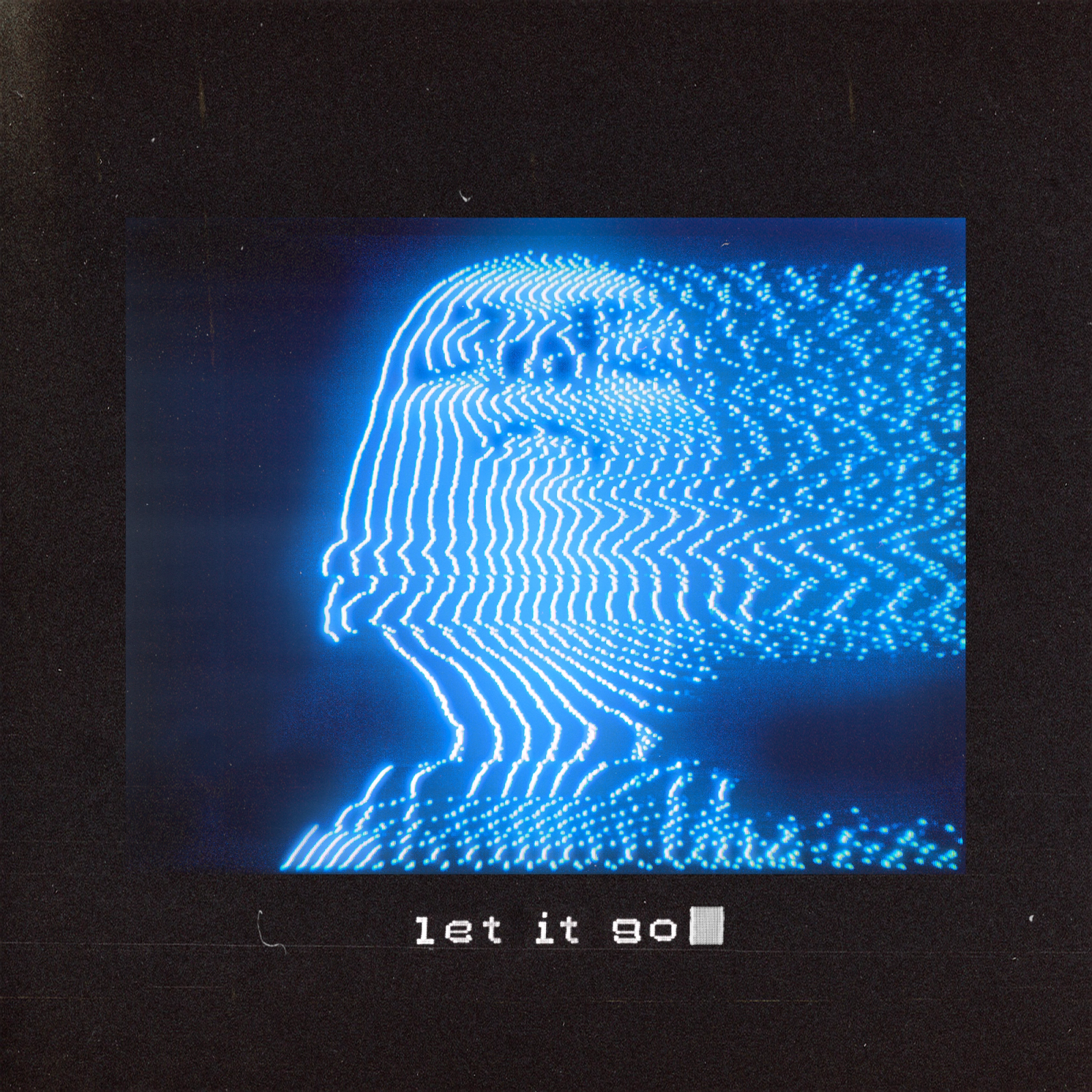
POLYGON1993 is a Paris-based visual artist who paints faces and bodies with broken TV signals. Who he is, how those glitching images get made, the nostalgia under them, and where his work has gone, from music and brands to the blockchain and real rooms.
Turn Emacs into a modern programming setup: projects, Eglot and language servers, tree-sitter, completion, Consult and Embark, compile and debug, Git without Magit, containers and a ready-to-paste config.
Two places where the writing that doesn’t fit a blog lives: Docs do Murad, a compendium of recipes in Portuguese for servers, privacy and the web by hand, and Pablo, how?, a digital garden in English of fixes, concepts and lists.
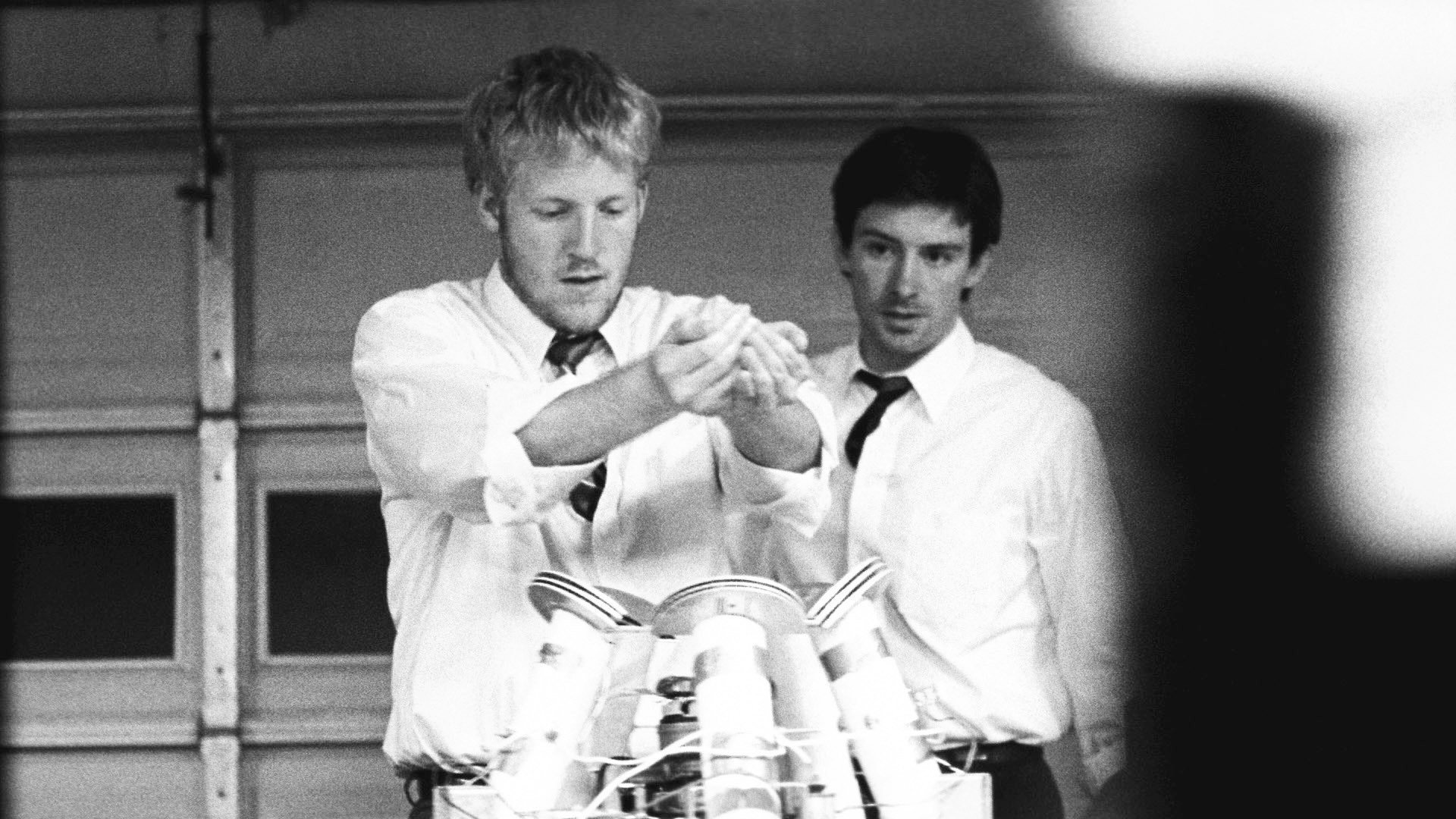
Primer cost $7,000 and is still one of the hardest time travel films to follow. How the box works, the week day by day, the twist with the three Aarons, the main theories, the real science in the garage and why programmers will recognize half of it.
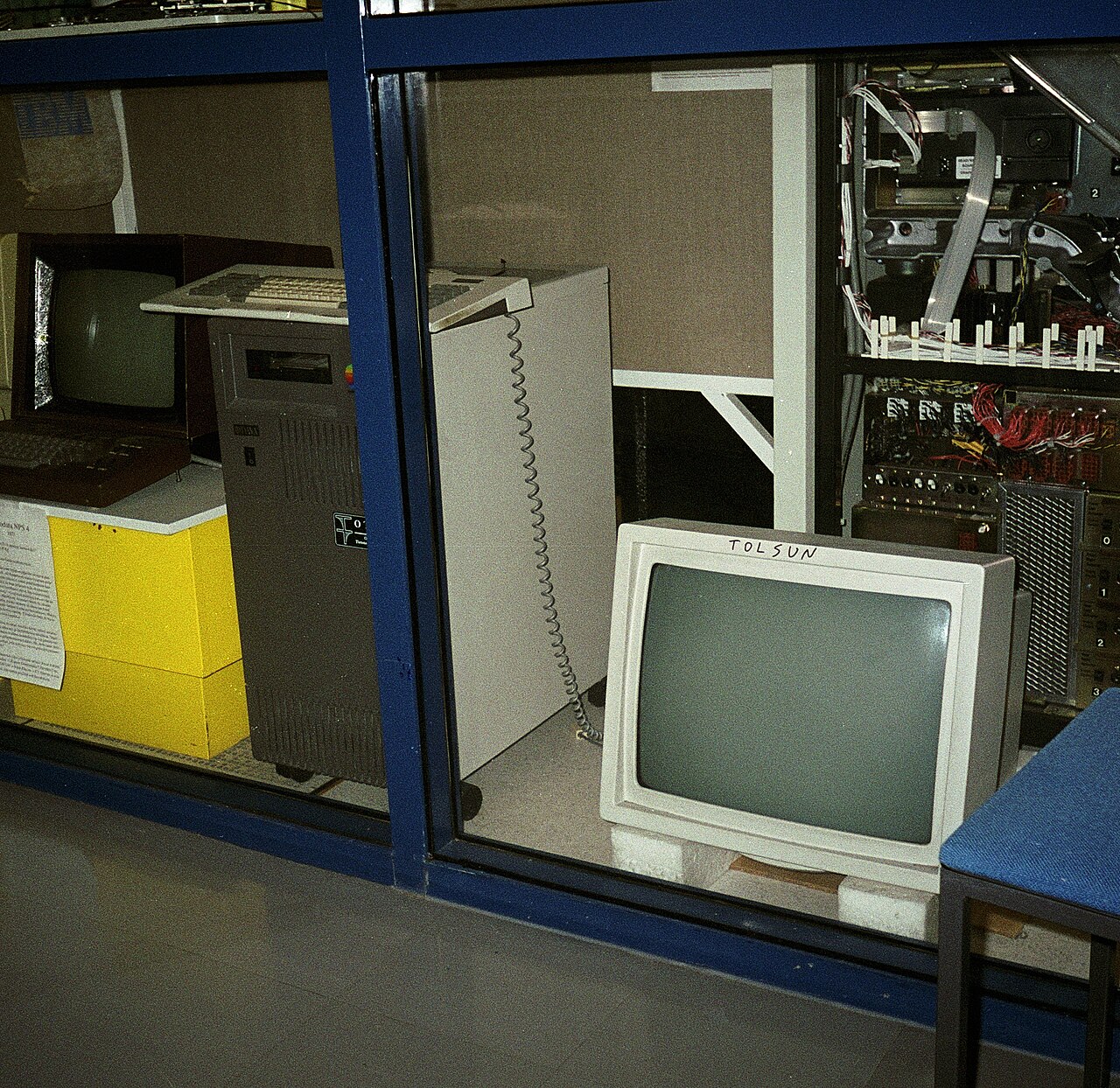
From dial-in Unix machines in 1982 to SDF, tilde.club, tilde.town and the tildeverse: the story of public computers shared by strangers, why the tilde means home, what people do on them, and how runv.club came back to join the neighborhood.
Two projects built to learn that stayed online: Soledade, a quiet blog shaped like a small town, read with nc and published over its own protocol, and Bloggram, which turns a Telegram channel into a blog search engines can find.
What Nostr is and how it works: keys instead of accounts, signed events, relays anyone can run, the outbox model, NIP-05 names, zaps and Blossom for media. Plus its history, from fiatjaf's first commit in 2020 to Dorsey's bitcoin and the fight with Apple.
RavenMail, theraven.my and The Raven Social: a contact form, a town where you post by email and a post office for letters. How the three ravens lean on each other, what they share, and a note that the third one is still being finished.
What GNU is and why it isn't Linux: a printer at MIT, a 1983 Usenet post, the GPL, GCC and Bash, a kernel that never got finished, and a Finnish student who filled the gap. Plus the GNU/Linux naming fight and a few curiosities.
The story of IRC: a Finnish university in 1988, news typed live during a war and a coup, network splits, mIRC and BrasNet, the long decline, the freenode exodus to Libera.Chat, and the modern clients, bouncers and IRCv3 keeping it alive today.
A hands-on copyparty guide: install it from one Python file, set up volumes and permission letters, use up2k, file search, unpost and search, open WebDAV and SFTP, plus a few fun facts and how The Black Cat runs entirely on two copyparty instances.
Ask pablomurad.com for a .env file and you get a riddle, a joke or a postcard from the end of the world, signed pmurad. A hundred messages, one nginx split_clients block and the scanners that read them all day.
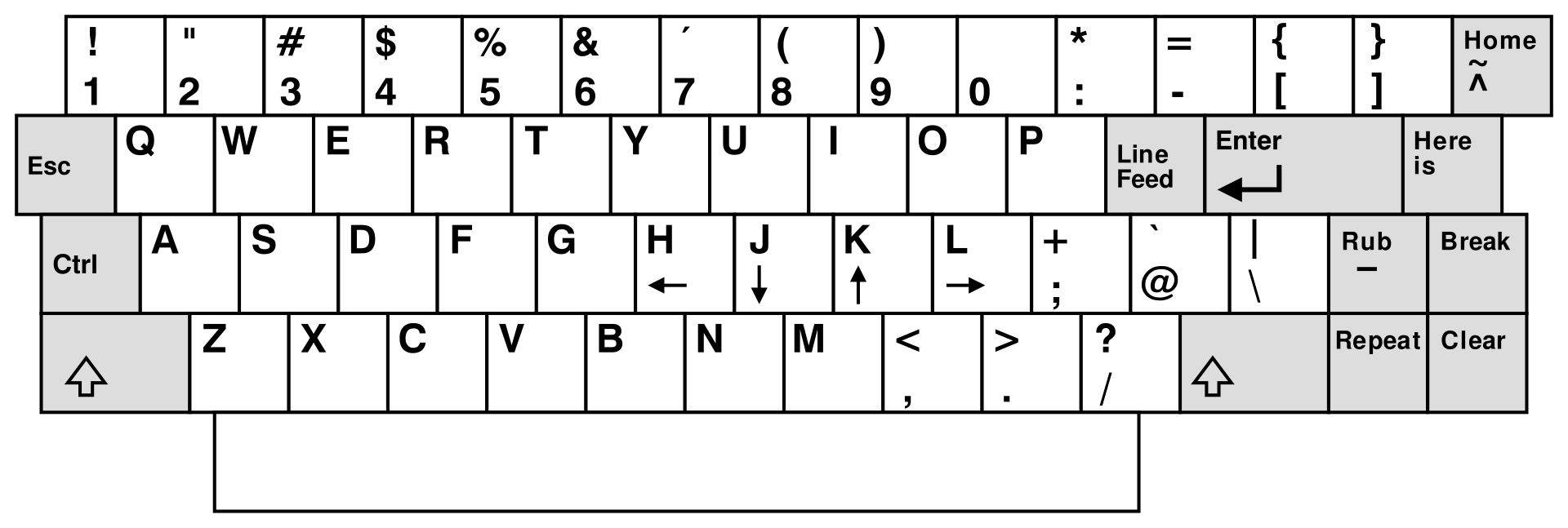
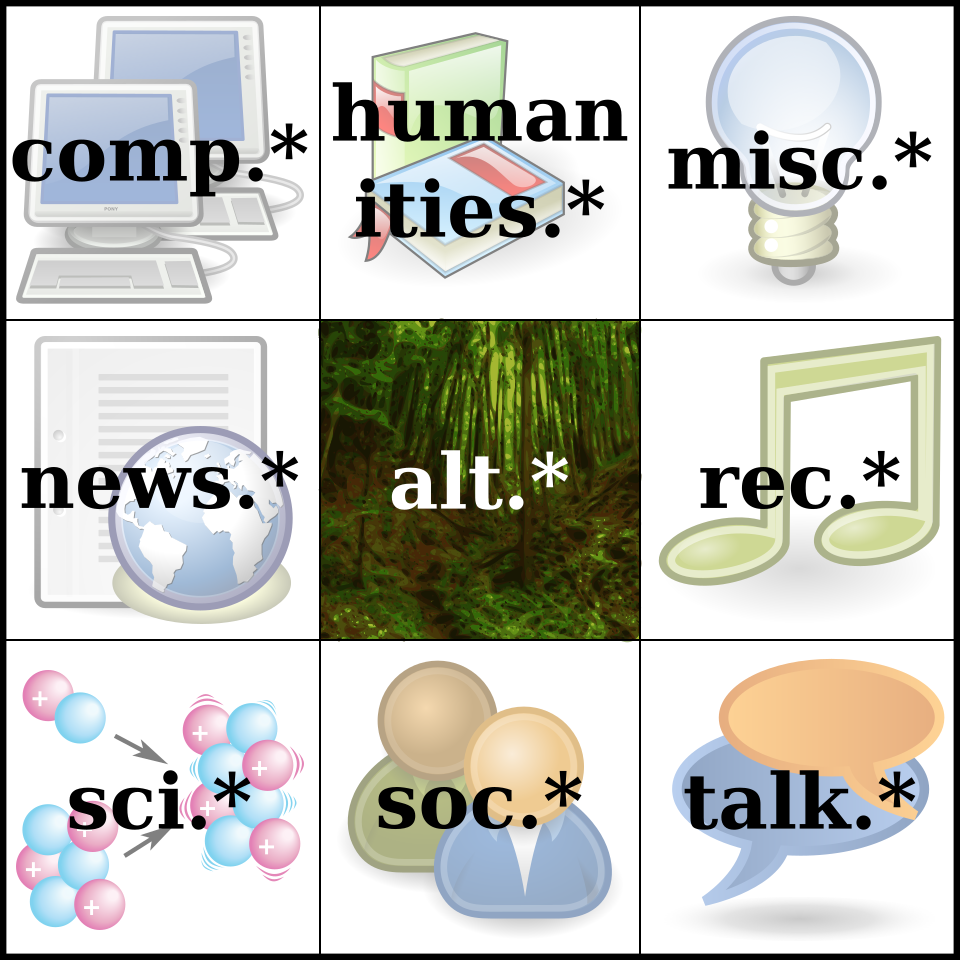
Usenet has been copying discussions from server to server since 1979. How it started at Duke and UNC, the Big 8 and alt.*, how an article travels, a real NNTP session, how yEnc, PAR2 and NZB turned it into a file network, and where to read it in 2026.
Five days ago I found out Twitch chat works in an IRC client, so I went looking for more little hidden things: Star Wars over telnet, weather by finger and DNS, funny robots.txt files, Terry Pratchett in Mozilla's headers, coffee over SSH and the pages a phone checks on Wi-Fi.