My cousin Henrique Murad built noctem.art so we could write about culture in Portuguese together. Essays on twelve arts, from the old trivium and quadrivium to cinema, games, technology and life, plus a monthly zine to print, fold and staple.
How I use asdf on Arch Linux to keep Node.js, Python and Go versions per project, away from pacman's rolling updates. Installing from the AUR, shell setup, .tool-versions, real terminal output, and why it works the same on any distro.
The checkered floor at the bottom of pablo.space is a single SVG path inside the CSS. What SVG is, why turning a PNG into one is hard, how dividing by distance makes the perspective, and the two masks that fade it into the page.
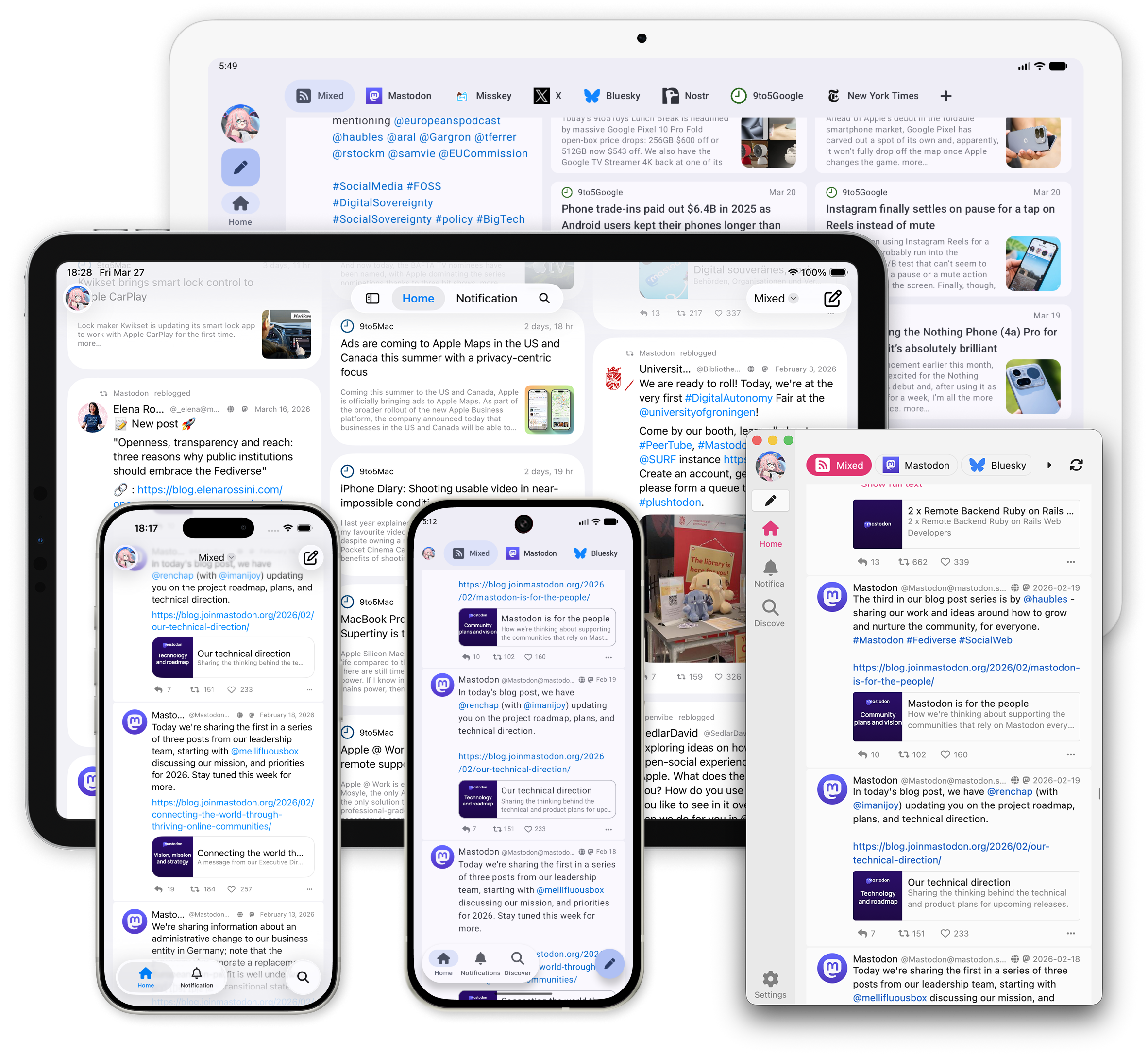
I spent tonight looking for one app for Bluesky and the fediverse, and found Flare. It's free, open source, and mixes Mastodon, Misskey, Bluesky, Nostr and RSS in a single timeline, on phones and on the desktop. The developers did an excellent job.
Email travels like a postcard. GPG seals it so only the recipient can read it. What PGP, OpenPGP and GnuPG are, how keys and signatures work, the common myths, and how to set it up on Windows, Linux and macOS, plus Thunderbird on all three.
That little .env file at the root of almost every project: what environment variables are, why config lives there, how Foreman and a 2012 Ruby gem started it all, how to use it in Node, Python, Ruby, PHP and Docker, and the ways it leaks.
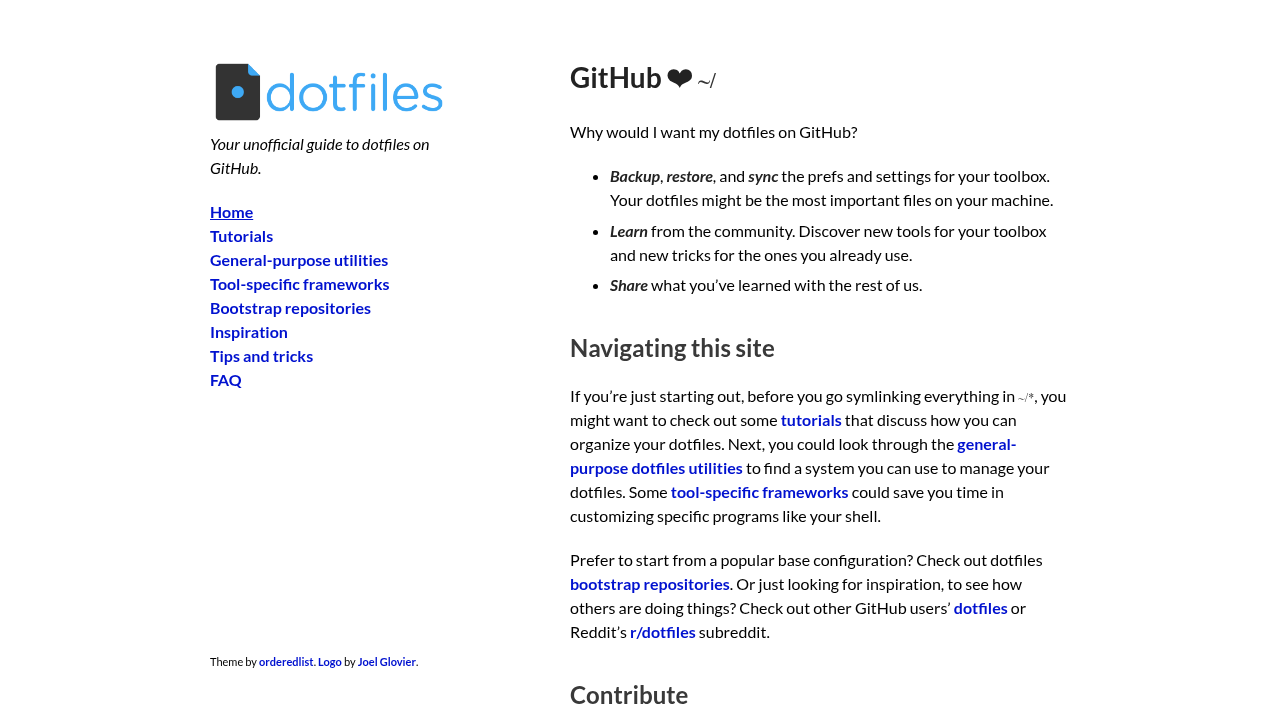
A fresh computer works, but it isn't mine yet. What makes it mine fits in a few dozen text files. What dotfiles are, why they start with a dot, how to build and version a set of them, how I keep mine with chezmoi, and what they can and can't do.
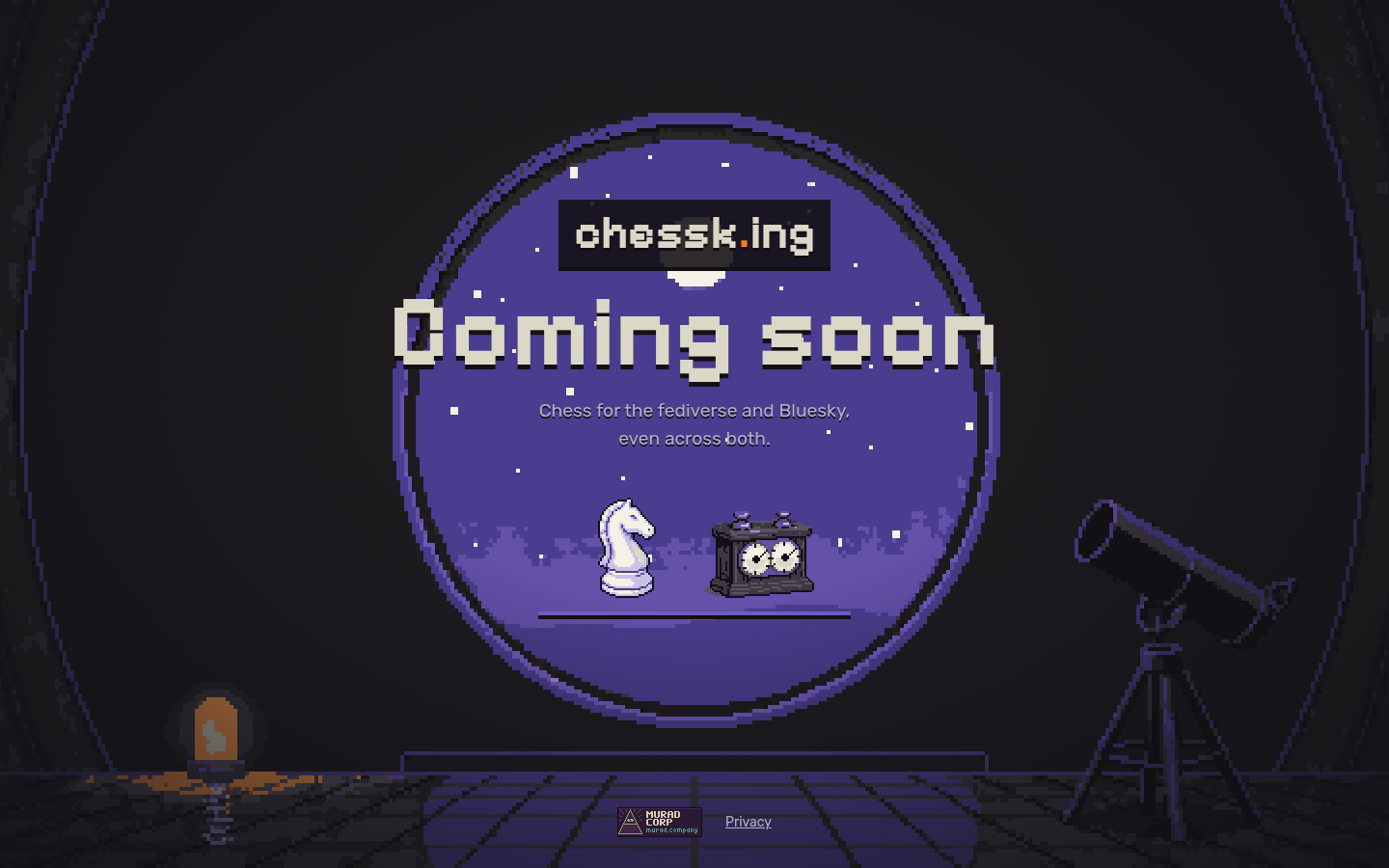
My first programs were tiny chess games, and I never really stopped making them. The next one plays over the protocols: a bot on both the fediverse and Bluesky that keeps the board, so people on either network can play each other. It's called chessk.ing, and it isn't open yet.
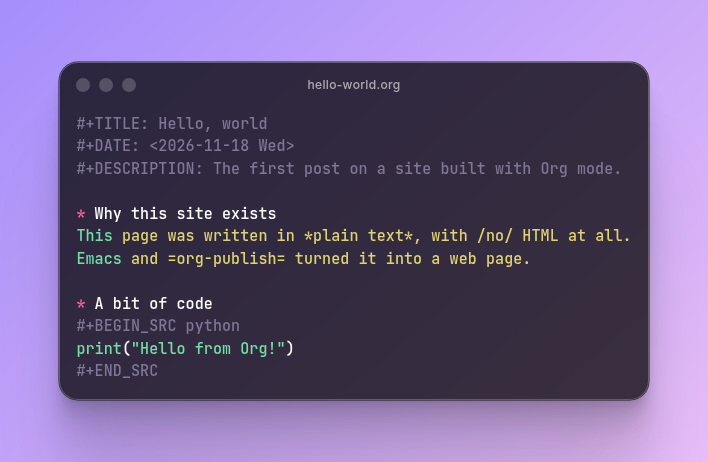
A complete, step-by-step guide to building a static website with Org mode and Emacs alone: writing pages in Org, a build script with ox-publish, a blog index that updates itself, styles, code highlighting, previewing, deploying and fixing the usual errors.
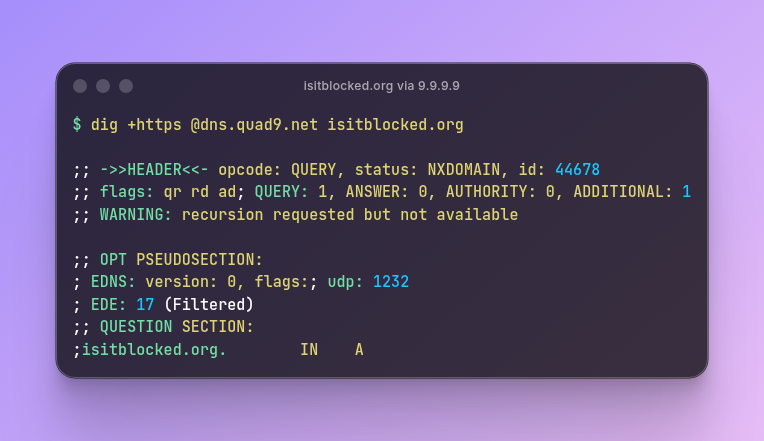
Quad9 leaves France on November 24 after a court fined it for refusing to block pirate sites. This is the hands-on companion: find out which resolver answers, read a blocked DNS reply with dig, encrypt the queries and run a home resolver with Unbound.
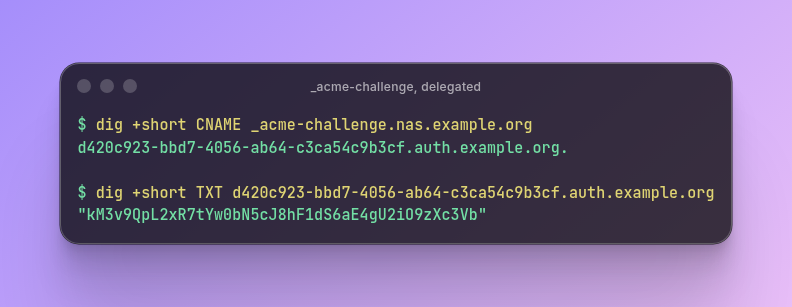
Some of my services only exist on the LAN, and I still wanted real Let's Encrypt certificates on them. A step-by-step guide to DNS-01 with acme-dns in Docker, a port forward in pfSense, and one acme.sh machine that issues every certificate and ships it to the servers.
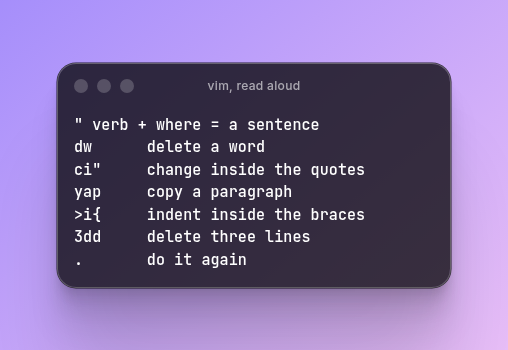
Vim feels scary until one idea clicks: modes. A friendly, step-by-step guide to getting out, moving around, editing with verbs and text objects, search and replace, a small vimrc that doesn't break the defaults, and how to practice.
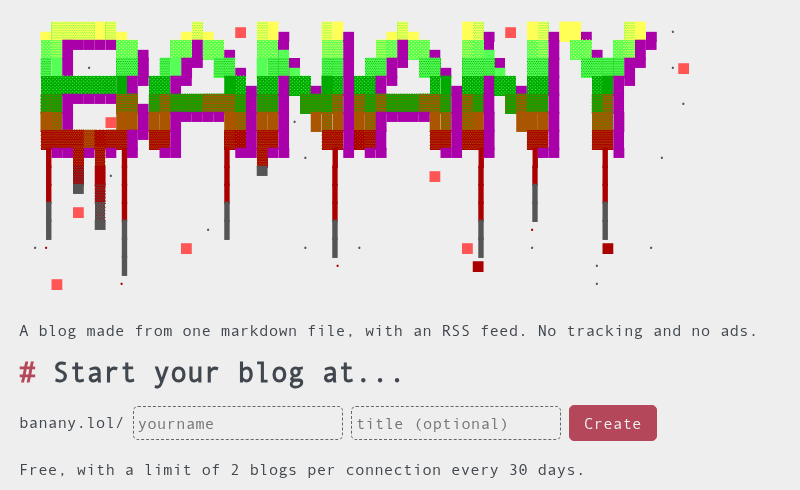
banany.lol turns one markdown file into a blog with an RSS feed. Free, no ads, no tracking, no accounts. A step-by-step guide to creating one, writing the file, publishing from the browser or the terminal, and what the service keeps about its users.
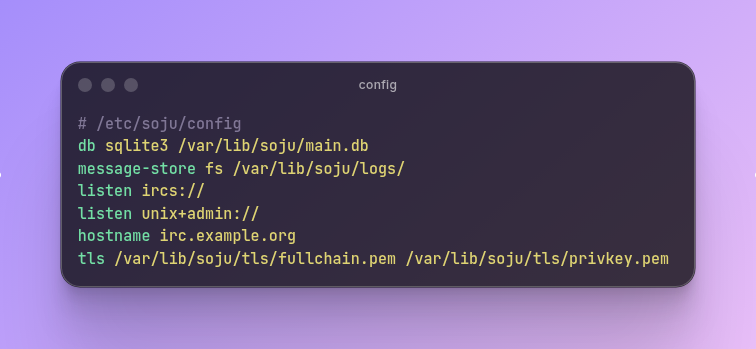
A step-by-step guide to running soju, a modern IRC bouncer, on Debian: installing the package, getting a real TLS certificate, creating the first user, connecting clients like goguma, senpai, motd or irssi, and managing networks and channels with BouncerServ.
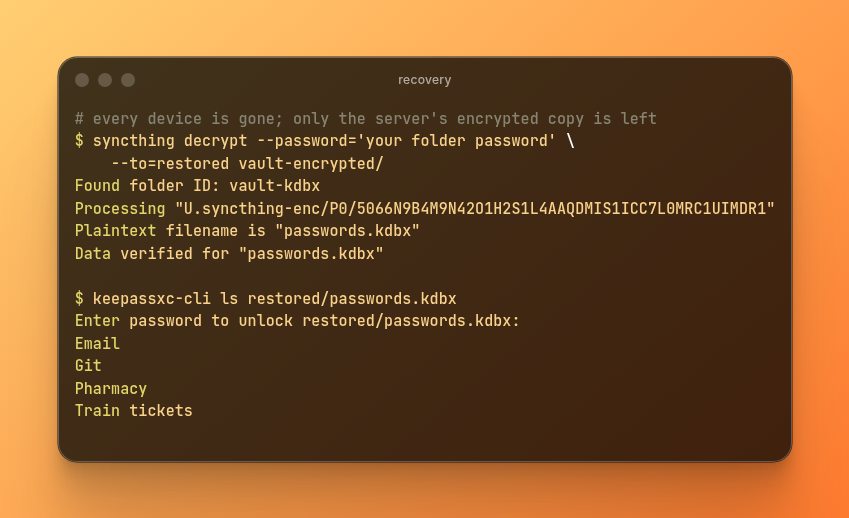
Keep your passwords on every device with KeePassXC and Syncthing, no cloud involved. Add a server that stores the vault without reading it, break the setup on purpose to see how it recovers, add a YubiKey, and prepare for the day everything goes wrong.
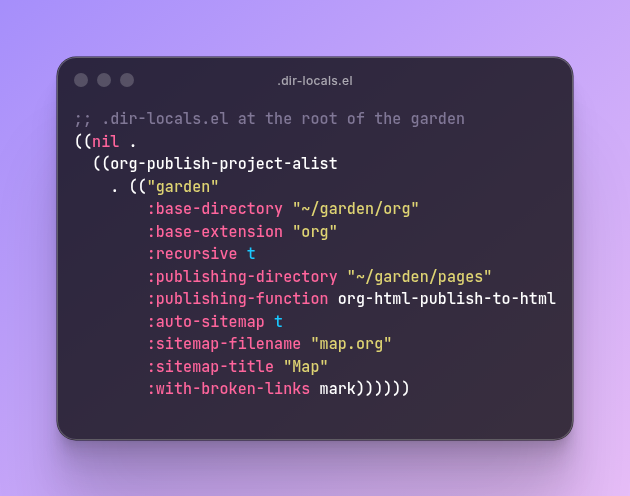
Marco Bresciani runs his digital garden on Org mode and wrote up exactly how. This follow-up to my Org site guide picks up what it left out: publishing from inside Emacs, .dir-locals.el, stylesheet paths, a site map, broken links, PlantUML diagrams and more.
pablomurad.com has a zine now. ~pablo Nº 00 puts 13 essays in 80 A5 pages, as a PDF to read on screen or a booklet to print at home on A4, fold and staple.
I met Emmanuel Santiago in a cyber café in São Lourenço, in 2002. He became a poet, a literature teacher and one of my best friends. He died in April 2026. This is my memory of him, and a reading of the four books he left, from the peacock to the hummingbirds.
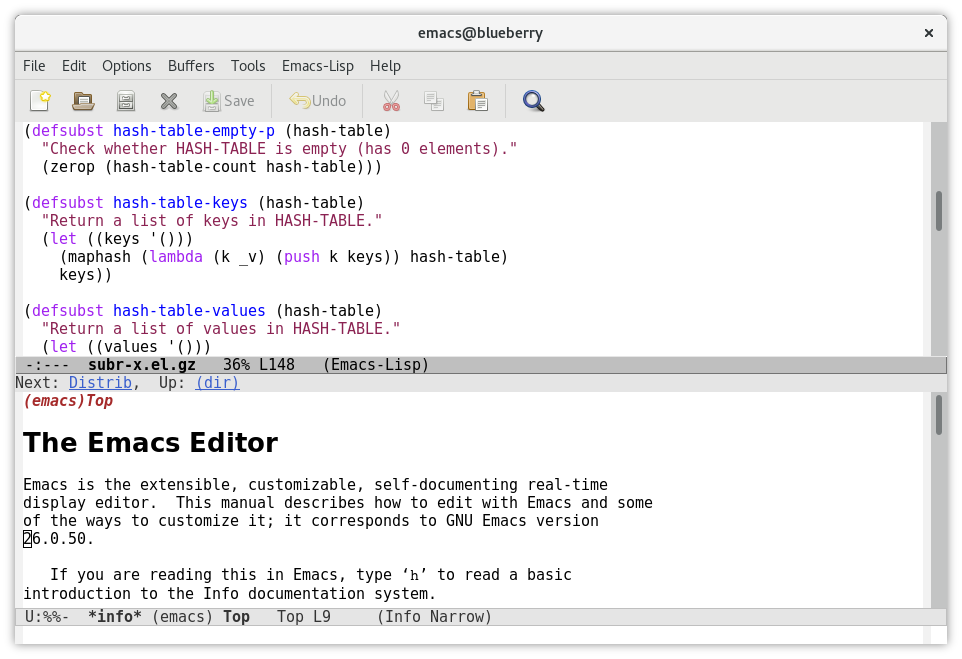
Emacs is older than most of the people who use it. The first version showed up at MIT in 1976, as a set of macros for an editor called TECO, and GNU Emacs, the one we all mean today, came out in 1985.
A step-by-step guide to building your own tilde, a shared Unix server with ~user web pages. Part I goes from an empty Debian VPS to SSH with keys only, a firewall, /etc/skel, Apache userdir with HTTPS and two test members.