Bitcoin Magazine (News Bot)

bitcoinmagazine@puresignal.news

Samourai Letter #1: Notes From The Inside

Bitcoin Magazine Samourai Letter #1: Notes From The Inside This letter is being syndicated from The Rage. It was originally posted here. Hello Reader. I am writing to you from the FPC Morgantown in West Virginia. I surrendered myself on December 19 to begin my 60 month (5 year) sentence. Surrendering yourself to prison is a fundamentally confusing and unnatural experience. One the one hand you are grateful to have been given a little more time with your loved ones, and more time to prepare. You thankfully get to avoid the dreaded “diesel therapy” (This is when the BOP sends you all across the United States by bus or plane, spending a few weeks in different prison settings, with murderers, rapists, child molesters, and the like before arriving to your final designated institution. All the while because you are unable to take classes you are not earning the possible credits needed to reduce your sentence.) and come in on “your own terms”. If you have time to read this article, you have time to sign the petition to free Samourai Wallet developers Keonne Rodriguez and William Hill. Every signature counts. CLICK THE IMAGE ABOVE OR HERE. On the other hand turning yourself in to be incarcerated tugs against every fundamentally primal instinct we have as human beings. The absolutely surreal memory of driving myself to the prison, my wife as my trusted passenger, riding together like we have done so many times before. We both enjoy a banal conversation about the weather that day (snow, rain, and hail all in one drive) to try and mask the fact that I am on my way to give up my liberty, to say goodbye to our family, to begin a long period of incarceration. It is perverse. At around 1:00 PM on December 19th I pulled into the visitors parking lot. I hugged and kissed my beautiful wife for the last time and walked in the freezing wind and rain to my new home for the foreseeable future. The officer who met me at the gate was a kindly person. He offered to let me stand in the gatehouse to avoid the blistering cold. He performed a breathalyzer and tried to make me feel at ease with some friendly and casual conversation. A second officer eventually showed up. He searched me, counted the money I brought in with me (bringing in cash was a big mistake I would soon learn), and eventually escorted me into the intake section of the facility. On the way to the intake section the guard stated matter of factly that it would take until after Christmas for my cash to appear ‘on my books’ – meaning no phone calls and no shopping for over a week. Ah, great. Overall the intake process was quick and efficient. The Corrections Officers (CO’s) and support staff were all professional, some were cordial, some others were even friendly. I had worn in plain grey sweat pants and a plain grey sweatshirt in the small chance that the intake COs would let me bring those items inside the prison with me. Unfortunately they did not. I was instructed to strip off the clothes until I was fully naked. The clothes were thrown into a plastic bag to be discarded or destroyed. After inspecting my cock, balls, and asshole (sorry, but it is what happened) the CO handed me an oversized pair of khaki pants, a brown shirt with suspicious bleach stains across the front, and a pair of cheap blue slip on shoes. After getting dressed in the uniform that would scream “newbie!” to everyone who encountered me I was instructed to meet several members of staff. First on the carousel of rubber stamps was Psychology. I mistook the psychologist for another inmate going through intake. A big man, mean looking, a long scraggly beard down to his chest. If you told me he was on the last 5 years of a 30 year bid I would have said “of course he is”. Anyway he was the psychologist I was instructed to meet. His concern was primarily my mental health and if I was suicidal or not. Like every other member of staff he was respectful and professional. I was then instructed to meet with the Physician’s Assistant to be medically cleared. Besides a TB test and DNA collection by use of a inner cheek swab, this was as average of a medical exam as one would find in a school nurses office. Once I was through the merry-go-round of clearances I needed to obtain before entering the general population I was introduced to the first inmate I had encountered today. Shane is an orderly who helps introduce new inmates to their new home. Average height, average build, probably early 60’s, a very friendly Irish face and rosy cheeks. Frankly, he is the perfect person for this role. Shane had collected a jacket, hat, and gloves for me. He was carrying a pillow and bed roll for me, I was carrying a large plastic bag with two spare sets of Intake uniform, two sheets, two towels, two washcloths, two boxers, two pairs of socks, a toilet paper roll, and a small plastic bag filled with basic toiletries. It was explained to me that because I was ordered to surrender on a Friday, I would not get to Laundry for a proper uniform until Monday. So, I would stick out like a sore thumb until then. Combined with the complications of depositing money onto my account due to a Friday + Holiday surrender it really felt like another farewell gift from Judge Cote who got to turn the screw against me one final time. Shane pointed out each building on the campus while I tried to keep up with him and retain all this information. I was to be housed in the Bates Unit, apparently this is good fortune because Alexander Unit is filled with rowdy reprobates and has no air conditioning. I will be housed within the B Wing of Bates Unit, which is apparently where they put all the newcomers and younger guys. Older guys and more experienced inmates get assigned to A Wing which is a little quieter. As we passed every inmate, unmistakable in their khaki uniform and green jacket Shane greeted them by name, they all returned the greeting earnestly. After what felt like 12 left turns we arrived in the B wing, to bunk 25. I was introduced to my cell mate, or “celly” Mike who I was told only arrived here a week ago from a camp in Lexington. Mike is easily 280-290 lbs so he clearly had the bottom bunk. I would take the top bunk. Trying to take in the sights, sounds, and smells, I noted that I may have been lucky to get Mike as a celly, his cell was fairly tidy, he seemed mature and respectful. I felt at ease with Mike, which is a good thing to feel when you are going to be living with someone in such close quarters. Once Shane dropped me off at bunk 25 he was off. I was left standing like a deer in the headlights. Nearly immediately Mike was handing me some Cup-O-Noodle Chicken Soups and a water bottle. I didn’t know if this was some sort of loan that would need to be paid back or what, but as I had literally nothing but the newbie uniform I took the handout and made a note to repay him when possible. Then from across the aisle, Dave introduced himself, – on the outside a former family doctor, on the inside a jovial older man always cracking dry sarcastic jokes – and handed me a can of Coke, some Mrs.. Field’s Chocolate Chip Cookies, some more Cup-O-Noodles and some other goodies. This procession of introductions and offering of gifts continued for nearly half an hour. It became clear these weren’t loans to be repaid but acts of kindness by gentlemen who remembered what their first night in prison was like, and who presumably were helped by someone in a way they are now passing on to me. Eventually word had got around the camp – they call the gossip network “inmate.com” – that a new guy arrived. Soon I had visitors from other Wings in the Bates Unit. One gentleman had an entire collection of sweat shirts and sweat pants. He sized me up and handed me a pair as well as some short sleeve and long sleeve grey shirts. Finally he looked at my feet taking note of the cheap flat slip ons that they give you during intake, asked my shoe size, I told him 12.5, after some rummaging he found a pair of sneakers size 11 and handed them to me. He explained that when someone leaves (either to go home or a transfer to a new institution) he collects the clothing they leave behind, he washes it, and then stores it to hand out to newbies with nothing – otherwise they will be scooped up by less altruistic characters and be sold in the underground economy. Saying our goodbyes and expressing my sincere gratitude to be able to get out of the uncomfortable temporary uniform and into something way more comfortable I met another prisoner, Omar, a very friendly former pulmonary specialist in his 70s, one of several practicing Muslims and one of several highly skilled doctors. He provided me some toiletries, a bag of instant coffee, a bag of creamer, pens, paper, and his wisdom on navigating this new environment. Very importantly he offered to show me the ropes at dinner time which would be called momentarily. While we waited to be called for dinner time Omar introduced me to several of his friends, mostly doctors and highly educated scientists. Once dinner was called we made the 10 minute walk from Bates Unit to the “Chow Hall”, they were serving lasagna which was surprisingly good and offered in a generous portion size. It was served with a side of iceberg lettuce and boiled spinach. The lettuce was fine with the bright orange colored (and expired) “French dressing” that was offered in small packets. The boiled spinach needed salt and was quite difficult to eat. It seemed like I had just sat down to eat when they called over the intercom that dinner was now closed. I will need to eat much quicker than I am used to. When I returned to my bunk I met another neighbor, Hasan, a young Muslim, well groomed, fit, tidy and friendly. He introduced himself, gifted me a white cotton t-shirt and a pair of grey gym shorts. I hung around on my bunk, not really knowing what to do. I knew there would be a final count – where we need to stand up silently by our beds and be counted by guards – at 9:00PM which would then be lights out until the morning. I frankly was very tired and wished I could go to sleep right then, but I forced myself to stay awake until after the 9:00PM count occurred. Thankfully they turned the lights off right after the count, after brushing my teeth I climbed into the bunk, ready to call it a night. No one else was on that schedule however, and the housing unit was wide awake, loud, and buzzing with activity. I would have to get used to the noise. Eventually I fell asleep. I slept fairly well, but woke up early around 2:30 AM. Thanking God that Omar had gifted me coffee, I enjoyed a hot cup when I woke up and throughout the morning. Over the next several days I would meet new people, learn new tactics for surviving this very alien environment, and make several new friends along the way. While not at all comfortable, it is manageable. While I rather be at home with my wife and family, there are far worse places I could have ended up. I am thankful that all the prisoners here are respectful and downright friendly. I am thankful that the staff and CO’s seem to be also be respectful provided you don’t give them a reason not to be. This letter recounts the first day on the inside, December 19th. As I write this it is December 24th, Christmas Eve. Tomorrow will be the 7th day I have spent in FPC Morgantown. I will be having my first visitor, my wife. I am beyond excited to see her. I will continue writing the story as it happens and as I am able. Keonne Rodriguez Write to Keonne: Keonne Rodriguez 11404-511 FPC Morgantown FEDERAL PRISON CAMP P.O. BOX 1000 MORGANTOWN, WV 26507 Mailing Guidelines: Please note: You can only send letters (no more than 3 pages long). No packages or other items are allowed. Books, magazines, and newspapers must be sent directly from the publisher or an online retailer like Amazon. All letters must include a full return address and sender name to be delivered. This is a guest post by Keonne Rodriguez. Opinions expressed are entirely their own and do not necessarily reflect those of BTC Inc or Bitcoin Magazine. This post Samourai Letter #1: Notes From The Inside first appeared on Bitcoin Magazine and is written by Keonne Rodriguez.
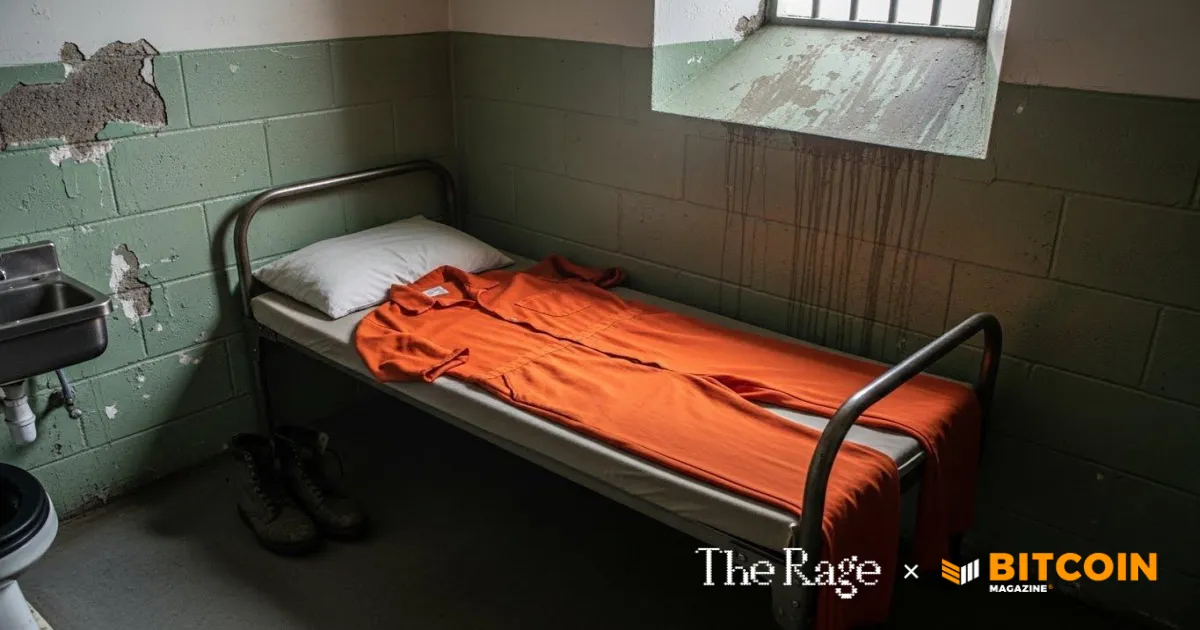

Cover image for Samourai Letter #1: Notes From The Inside

Crypto Firm BitGo Eyes Near $2 Billion Valuation in US IPO

Bitcoin Magazine Crypto Firm BitGo Eyes Near $2 Billion Valuation in US IPO Crypto custody firm BitGo has launched its initial public offering, seeking to raise up to $201 million, according to a filing with the U.S. Securities and Exchange Commission. The Palo Alto, California-based company is offering roughly 11.8 million shares of Class A common stock at an expected price range of $15 to $17 per share. The offering includes 11 million shares sold by BitGo and about 821,600 shares offered by existing stockholders, with the company not receiving proceeds from those secondary sales. Underwriters will also have a 30-day option to purchase up to an additional 1.77 million shares. Founded in 2013, BitGo is one of the largest crypto custody providers in the U.S., offering secure storage and infrastructure services for digital assets as institutional participation in crypto continues to expand. The company plans to list on the New York Stock Exchange under the ticker symbol BTGO. Goldman Sachs is serving as lead book-running manager, with Citigroup and several other banks participating in the offering. Bitgo receives nod from OCC In December, Bitgo was one of five digital asset firms to receive conditional approval from the U.S. Office of the Comptroller of the Currency (OCC) to become a federally chartered national trust bank, alongside Ripple, Circle, Fidelity Digital Assets, and Paxos. The decision marked a significant step in bringing major crypto companies further into the U.S. federal banking system. The conditional approvals allow the firms to convert from state-level trust charters to national trust bank status, pending the fulfillment of OCC requirements. Once finalized, the companies will join roughly 60 existing national trust banks overseen by the OCC, enabling them to offer fiduciary and custody services nationwide. Unlike full-service national banks, trust banks cannot take deposits or issue loans, but they can safeguard and manage customer assets, including digital assets. BitGo’s IPO adds to the growing wave of crypto companies testing the public markets, but it stands apart from the usual exchange-led listings. Instead of relying on trading activity, BitGo makes its money by providing custody, compliance, and infrastructure services tied to safeguarding digital assets. That difference could resonate with regulators and investors who have grown more cautious about trading-driven crypto businesses. As attention shifts toward firms focused on compliance, settlement, and asset protection, BitGo’s debut fits a broader narrative gaining momentum in U.S. markets. This post Crypto Firm BitGo Eyes Near $2 Billion Valuation in US IPO first appeared on Bitcoin Magazine and is written by Micah Zimmerman.

Cover image for Crypto Firm BitGo Eyes Near $2 Billion Valuation in US IPO

Strategy ($MSTR) Just Spent $1.25 Billion on 13,627 Bitcoin, Pushing BTC Holdings to 687,410

Bitcoin Magazine Strategy ($MSTR) Just Spent $1.25 Billion on 13,627 Bitcoin, Pushing BTC Holdings to 687,410 Strategy added to its bitcoin treasury for a third straight week, acquiring 13,627 BTC for roughly $1.25 billion at an average price of $91,519 per coin, according to an SEC filing dated January 12. The purchases were made between January 5 and January 11 and funded through the company’s at-the-market offering program, which included sales of Class A common stock (MSTR) and its 10.00% Series A perpetual preferred stock, Stretch (STRC). The sales generated about $1.2 billion in net proceeds, with $1.1 billion coming from common stock and $119 million from preferred equity. The latest buy brings Strategy’s total bitcoin holdings to 687,410 BTC, acquired for an aggregate cost of $51.8 billion at an average purchase price of $75,353 per bitcoin. At current prices, the stash is worth roughly $62 billion. Last week, Strategy disclosed another sizable bitcoin purchase, acquiring 1,286 BTC for about $116 million in a filing with the U.S. Securities and Exchange Commission. The buys, made between late December and early January, lifted the company’s total holdings to 673,783 BTC at the time, funded through Class A share sales under its at-the-market program. Strategy also increased its U.S. dollar reserves last week to $2.25 billion to support preferred dividends and debt obligations, while reporting an average bitcoin cost basis of roughly $75,000 per coin. BREAKING: STRATEGY BUYS ANOTHER 13,627 #BITCOIN pic.twitter.com/Pu9lvU1ovt — Bitcoin Magazine (@BitcoinMagazine) January 12, 2026 Despite bitcoin rebounding above $90,000 to start 2026, the firm recorded a $17.44 billion unrealized loss in the fourth quarter of 2025 after prices fell sharply from October highs. Strategy’s recent MSCI drama Over the past several months, Strategy has been at the center of attention tied to its inclusion in MSCI’s global equity indexes due to its massive Bitcoin treasury strategy. MSCI — one of the world’s most influential index providers — launched a review in late 2025 to consider whether companies with more than ~50 % of assets in digital assets (so-called Digital Asset Treasury Companies, or DATCOs) should remain in major benchmarks like the MSCI World and MSCI USA indexes. If excluded, passive funds tracking these indexes could be forced to sell billions of dollars of MSTR shares, with estimates suggesting up to ~$2.8 billion in outflows from MSCI-linked funds alone and even more if other providers followed suit. Analysts from JPMorgan and TD Cowen estimated that exclusion from these indices could threaten billions in additional market value on top of that. Strategy’s stock endured some declines and heightened risk-off sentiment as markets priced in the threat of index exclusion, with its share price dropping sharply in late 2025 amid these concerns. Company leadership, including Michael Saylor, publicly defended its positioning as a legitimate operating company rather than a passive fund, engaging with MSCI during the consultation and stressing its enterprise operations alongside Bitcoin holdings. In a statement on X, Saylor said that the company is “not a fund, not a trust, and not a holding company.” He described the firm as a publicly traded operating company with a $500 million software business and a unique treasury strategy that uses Bitcoin as productive capital. In early January 2026, MSCI announced it would not implement proposed exclusions of DATCOs from its indexes at this time, effectively postponing any removal for the upcoming February 2026 review. This decision was widely interpreted as short-term relief for Strategy — lifting some selling pressure and leading to a 4 %–6 % rise in MSTR stock as investors welcomed the reprieve. However, MSCI also signaled a broader consultation on how to classify non-operating companies, indicating that similar debates could resurface later in 2026. Despite all this buying, the price of bitcoin has been little-changed over the last couple of months. Bitcoin has bounced around the $90,000 range and is currently trading at $90,555. This post Strategy ($MSTR) Just Spent $1.25 Billion on 13,627 Bitcoin, Pushing BTC Holdings to 687,410 first appeared on Bitcoin Magazine and is written by Micah Zimmerman.

Cover image for Strategy ($MSTR) Just Spent $1.25 Billion on 13,627 Bitcoin, Pushing BTC Holdings to 687,410

Bitcoin Whales Keep Buying as 100+ BTC Addresses Set New Record

Bitcoin Magazine Bitcoin Whales Keep Buying as 100+ BTC Addresses Set New Record The number of Bitcoin addresses (bitcoin whales) holding at least 100 BTC has climbed to a new all-time high, according to on-chain data from Bitcoin Magazine Pro, pointing to continued accumulation among large holders despite some recent bitcoin price dips and broader crypto market volatility. The metric tracks the total number of unique Bitcoin addresses with balances of 100 BTC or more — a cohort commonly associated with so-called “bitcoin whales,” including high-net-worth individuals, funds, corporations, and long-term strategic holders. The latest data shows the count has surpassed all previous peaks, extending a multi-year uptrend that has persisted across several market cycles, according to Bitcoin Magazine Pro. Unlike price charts, bitcoin whale and address balance data shows how bitcoin is actually being held across the network. When the number of wallets with large BTC balances grows, it suggests capital is concentrating in bigger holders, often read by analysts as a sign of long-term confidence rather than short-term speculation. The milestone comes as bitcoin continues to trade down 30% from historic highs, following a year marked by increased institutional participation, growing acceptance of bitcoin as a treasury asset, and expanding access through regulated investment products. Analysts note that accumulation by large holders has remained resilient even during periods of consolidation and pullbacks, indicating limited distribution from this cohort. While a single entity can control multiple addresses — meaning address counts do not directly equate to individual holders — changes in the metric are still widely used to assess structural trends in the market. Historically, sustained increases in bitcoin whale addresses have coincided with periods of long-term accumulation and reduced sell-side pressure. JUST IN: The number of addresses holding more than 100 #Bitcoin hit a NEW ALL TIME HIGH Whales are accumulating pic.twitter.com/Qf1KOTRYmd — Bitcoin Magazine (@BitcoinMagazine) January 9, 2026 Recent Bitcoin price action despite bitcoin whale buys Bitcoin hovered near the $90,000 level on Friday as markets steadied following a delay in a closely watched U.S. Supreme Court ruling related to President Donald Trump’s tariff policy. The postponement eased near-term macroeconomic uncertainty, helping limit volatility across risk assets, including digital currencies. At the time of writing, bitcoin was trading at roughly $90,443, down about 1% over the past 24 hours. Daily trading volume stood near $45 billion, while total market capitalization slipped to around $1.80 trillion. Despite the modest pullback, bitcoin remains tightly rangebound near recent highs, sitting about 2% below its seven-day peak and slightly above its weekly low. Bitcoin’s circulating supply has climbed to nearly 20 million coins, reinforcing long-term scarcity narratives. In the near term, however, traders see the asset consolidating after an early-year rally, with the $90,000–$91,000 range emerging as a key technical support zone as markets await a clearer catalyst, according to Bitcoin Magazine Pro analysis. This post Bitcoin Whales Keep Buying as 100+ BTC Addresses Set New Record first appeared on Bitcoin Magazine and is written by Micah Zimmerman.

Cover image for Bitcoin Whales Keep Buying as 100+ BTC Addresses Set New Record

Bitcoin Price Holds $90,000 as Tariff Ruling Delay Eases Some Macro Jitters

Bitcoin Magazine Bitcoin Price Holds $90,000 as Tariff Ruling Delay Eases Some Macro Jitters The bitcoin price was trading near the $90,000 mark on Friday as crypto markets steadied following a delay from the U.S. Supreme Court on a closely watched ruling tied to President Donald Trump’s tariff policy, temporarily easing near-term macro uncertainty. The price of bitcoin stood at $90,443 at the time of writing, down about 1% over the past 24 hours, according to market data. Daily trading volume totaled roughly $45 billion, while bitcoin’s total market capitalization slipped to approximately $1.80 trillion, also down 1% on the day. Despite the modest pullback, the bitcoin price remains tightly rangebound near recent highs. The asset is currently about 2% below its seven-day high of $91,839 and roughly 1% above its seven-day low of $89,671, per Bitcoin Magazine Pro data. Bitcoin’s circulating supply now stands at 19,973,659 BTC, inching closer to its fixed cap of 21 million coins — a structural feature that continues to underpin long-term bullish narratives. Tariff uncertainty weighs, then lifts the bitcoin price Crypto prices initially wavered this week as traders positioned ahead of a potential Supreme Court decision on the legality of Trump-era global tariffs, widely viewed as a major macro catalyst. However, markets moved higher on Friday after the court delayed its ruling until next week, reducing immediate downside risk across equities, bonds, and digital assets. The bitcoin price hovered around $90,000 near the U.S. equity market open as investors reassessed risk exposure. Analysts said the delay eased concerns about abrupt fiscal disruptions, including the possibility that the U.S. Treasury could be forced to refund more than $130 billion to importers if the tariffs were struck down. Bitcoin has increasingly traded as a macro-sensitive asset, reacting to shifts in policy expectations, liquidity conditions, and geopolitical uncertainty. As a result, major legal or political developments continue to influence short-term price action, even as long-term adoption trends remain intact. Bitcoin price in consolidation following early-year rally The current price reflects a cooling period after the bitcoin price surged in the opening days of the year, briefly pushing toward new short-term highs. That early-January rally reignited bullish sentiment but also triggered profit-taking as momentum faded near resistance. Technically, traders are watching the $90,000–$91,000 zone as a key support area. A sustained break lower could expose downside toward the high-$80,000 range, while a move back above $92,000 would likely reopen the path toward higher resistance levels. For now, bitcoin remains locked in consolidation, with volatility compressed and traders awaiting a clearer catalyst. Will the United States buy Bitcoin? Cathie Wood of ARK Invest said in a podcast recently that politics could drive the U.S. to actively buy bitcoin in 2026. Wood argues that crypto has become a durable political issue for President Trump, potentially shaping policy ahead of the midterm elections. While the U.S. currently holds a bitcoin reserve made up of seized assets, Trump has pledged not to sell any of the bitcoin, and the original goal was to acquire one million BTC. Wood suggested in her conversation that the administration may move from holding only confiscated bitcoin to purchasing BTC outright for a national strategic reserve. Crypto has also emerged as a more organized political constituency, supporting Trump and engaging with the White House through events and donations. On the policy side, executive orders have established the reserve and stockpile, with recommendations for Treasury-led expansion. Wood sees government purchases as a potential market inflection point, reinforcing bitcoin’s scarcity as nearly 20 million of its 21 million cap have already been mined. If the United States would start buying bitcoin, its safe to assume that the bitcoin price would react positively. At the time of writing, the bitcoin price is $90,814. This post Bitcoin Price Holds $90,000 as Tariff Ruling Delay Eases Some Macro Jitters first appeared on Bitcoin Magazine and is written by Micah Zimmerman.

Cover image for Bitcoin Price Holds $90,000 as Tariff Ruling Delay Eases Some Macro Jitters

Vexl: Empowering Peer-to-Peer Bitcoin Exchange Through Social Networks

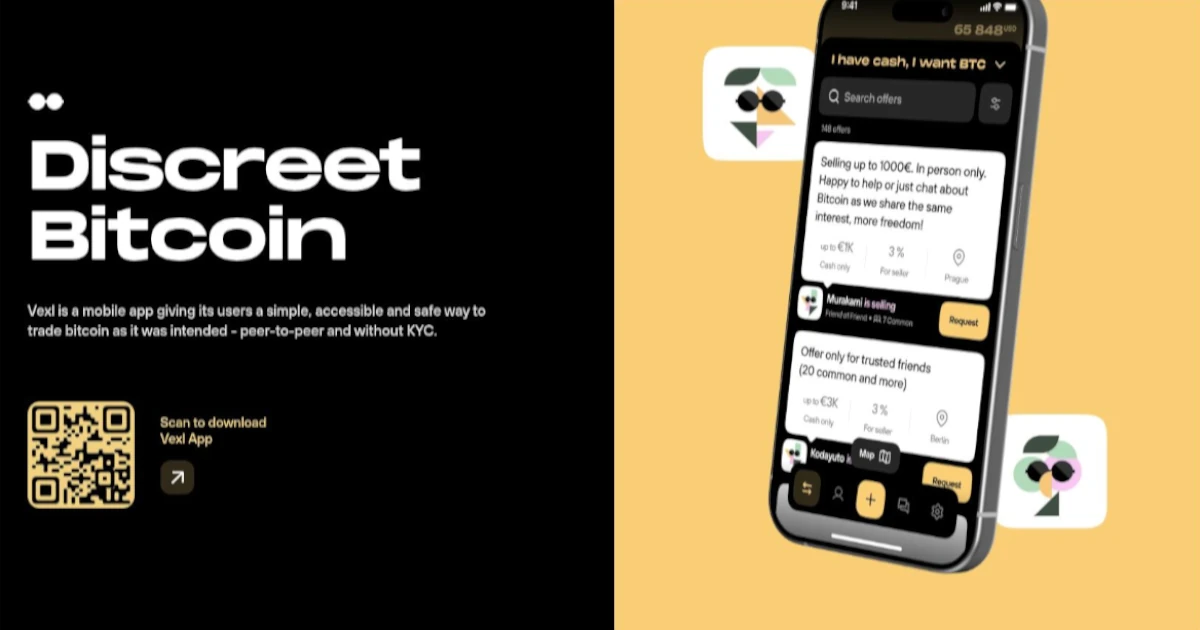
Bitcoin Magazine Vexl: Empowering Peer-to-Peer Bitcoin Exchange Through Social Networks In an era where centralized exchanges dominate cryptocurrency trading, Vexl stands out as a peer-to-peer (P2P) application designed to connect Bitcoin users within their personal networks for direct, non-custodial trades. The app facilitates buying and selling Bitcoin without intermediaries, emphasizing in-person meetings for cash exchanges while also supporting fiat transfers arranged privately between users. As Viliam Klamarcik, CEO of Vexl, explained in an interview with Bitcoin Magazine, “we are an application that helps people to buy and sell Bitcoin directly with each other, without any intermediaries, without KYC. Vexl works without custody, so peer-to-peer, but what’s most important is that it is always within your own community, meaning we are not a global marketplace. We are basically a peer-to-peer notice board where you can connect with your first and second level degree of connections.” At its core, Vexl prioritizes privacy, functioning as a high-trust notice board within your personal social network, rather than an exchange. It does not escrow Bitcoin or fiat, it does not hold user funds, nor store balances, messages, or personal data. All communications occur via end-to-end encrypted chats, and trades happen off-app, placing responsibility on users to verify counterparts. This design aligns with Vexl’s mission to support non-KYC Bitcoin acquisition and local economies, as confirmed on the app’s official website, which states, “We do not store any personal information or any of your messages, period.” User connections in Vexl are built on a web-of-trust model, drawing from imported phone contacts to create a personalized order book. Offers are visible only to first- and second-degree connections—your contacts and their contacts—enhancing liquidity while maintaining high trust through shared social links. This limits exposure to strangers, reducing scam risks, and usernames remain anonymous until users mutually reveal identities. Klamarcik noted, “The biggest difference between Vexel and the other applications is, first of all, its web of trust, which means you don’t trade with users; you trade with people with whom you are connected through real social links.” The app’s privacy measures include hashing contact data and separating components like profiles, chats, offers, and contacts into microservices that converge only on the user’s device, ensuring no centralized database exists. To enable this system, Vexl requires a phone number for registration, serving as proof of humanity to deter bots and facilitating contact imports. Privacy concerns are addressed through encryption and hashing; as the website affirms, “Your contacts always remain encrypted, which means no one can see them. Not even us.” Klamarcik acknowledged imperfections but emphasized its necessity: “The phone numbers are a big topic, and we are aware of that. And it’s not perfect, but also it’s probably the best solution that we have out there to build trust upon that.” This mirrors mechanisms in apps like Signal and major social networks, primarily as a spam-prevention and authentication tool. For users hesitant to import full contacts—particularly in privacy-focused regions like Germany—Vexl offers “clubs,” curated groups managed by local moderators, often meetup organizers. These act as public rooms where members can view offers without broad network sharing, though trust shifts to the moderator. Entry requires a one-time code or QR scan, regenerable for security, providing an onboarding boost for newcomers until they build direct connections. Vexl is available on both Android and iOS, but iOS users face restrictions. The app is not officially listed on the App Store, limited to TestFlight beta slots or sideloading in the EU, due to Apple’s claims of “reckless behavior” for encouraging in-person trades (Tinder, however, remains in iOS without restrictions). Android offers seamless access via Google Play or APK downloads, making it the optimal platform for unrestricted use. As a non-profit under the Vexl Foundation, the app avoids for-profit models that could attract regulatory scrutiny, focusing instead on donations and grants to preserve its peer-to-peer ethos. This structure reflects a broader trend in Bitcoin privacy tools, where governments have effectively criminalized for-profit operations. Samourai Wallet’s founders were sentenced in 2025 to prison terms for money laundering conspiracy and unlicensed transmission after facilitating over $2 billion in transactions via a non-custodial Bitcoin wallet. Tornado Cash faced U.S. sanctions in 2022 for billions in volume, accused of money laundering for a service that profited from giving Ethereum users basic financial privacy. These cases highlight how privacy-focused entities are opting for non-profit status to sustain operations without attracting the ire of regulators. Vexl is fully open source and is a project by Satoshi Labs, the creators of the Trezor hardware wallet. Looking ahead, Klamarcik signaled expansion: “This year is hopefully going to be the year when we actually go overseas and also focus on markets outside of Europe when it makes sense.” This post Vexl: Empowering Peer-to-Peer Bitcoin Exchange Through Social Networks first appeared on Bitcoin Magazine and is written by Juan Galt.

Cover image for Vexl: Empowering Peer-to-Peer Bitcoin Exchange Through Social Networks

South Korea Preparing to Approve Spot Bitcoin ETFs in Crypto Policy Pivot

Bitcoin Magazine South Korea Preparing to Approve Spot Bitcoin ETFs in Crypto Policy Pivot South Korea is reportedly preparing to open its financial markets to spot bitcoin exchange-traded funds (ETFs) this year, marking a shift in the country’s long-standing approach to digital assets as regulators accelerate work on a comprehensive new crypto law. The plan was outlined in the government’s newly released 2026 Economic Growth Strategy, with the Financial Services Commission (FSC) taking the lead on implementation. If approved, spot bitcoin ETFs would become available to domestic investors for the first time, placing South Korea alongside markets such as the United States and Hong Kong, where similar products have already attracted billions of dollars in inflows. Until now, Korea’s capital markets rules have not recognized cryptocurrencies like bitcoin or bitcoin ETFs as eligible underlying assets for ETFs, effectively blocking their launch. That stance is now changing as policymakers look to bring more crypto activity into regulated channels and reduce the flow of capital to offshore platforms. The bitcoin ETF push is moving in parallel with a broader overhaul of digital asset regulation. The FSC is fast-tracking what it calls “Phase Two” digital asset legislation, a bill expected to focus heavily on stablecoins. According to government plans, the law will introduce a licensing system for stablecoin issuers, minimum capital requirements, and strict reserve rules requiring at least 100% backing of issued tokens. Issuers would also be required to guarantee user redemption rights. Regulators say the framework is designed to prevent failures like the 2022 Terra-Luna collapse, which wiped out roughly $40 billion and had deep ties to South Korea. Alongside domestic rules, authorities are drafting standards for cross-border stablecoin transfers and transactions, reflecting growing use of digital tokens in trade and remittances. The effort is being coordinated between the FSC and the Ministry of Economy and Finance. Global bitcoin ETF implementation Officials point to global precedents as a key influence. Spot bitcoin ETFs in the U.S. and Hong Kong have seen strong demand, with major asset managers now treating the products as mainstream investment tools. Korea’s Financial Intelligence Unit estimates that more than 10 million people are eligible to trade digital assets domestically, underscoring the scale of potential demand. Beyond private markets, blockchain is also moving into public finance. The government plans to digitize parts of the national treasury using so-called “deposit tokens,” a form of government-linked digital currency distinct from stablecoins, according to reports. By 2030, up to 25% of treasury operations could be conducted via blockchain-based payments. Pilot programs are already underway, and lawmakers are reviewing amendments to the Bank of Korea Act and the National Treasury Act to establish a legal foundation for these systems. Officials say the goal is faster settlement, lower administrative costs, and improved transparency. This post South Korea Preparing to Approve Spot Bitcoin ETFs in Crypto Policy Pivot first appeared on Bitcoin Magazine and is written by Micah Zimmerman.

Cover image for South Korea Preparing to Approve Spot Bitcoin ETFs in Crypto Policy Pivot

This Investor Thinks the United States Could Start Buying Bitcoin in 2026

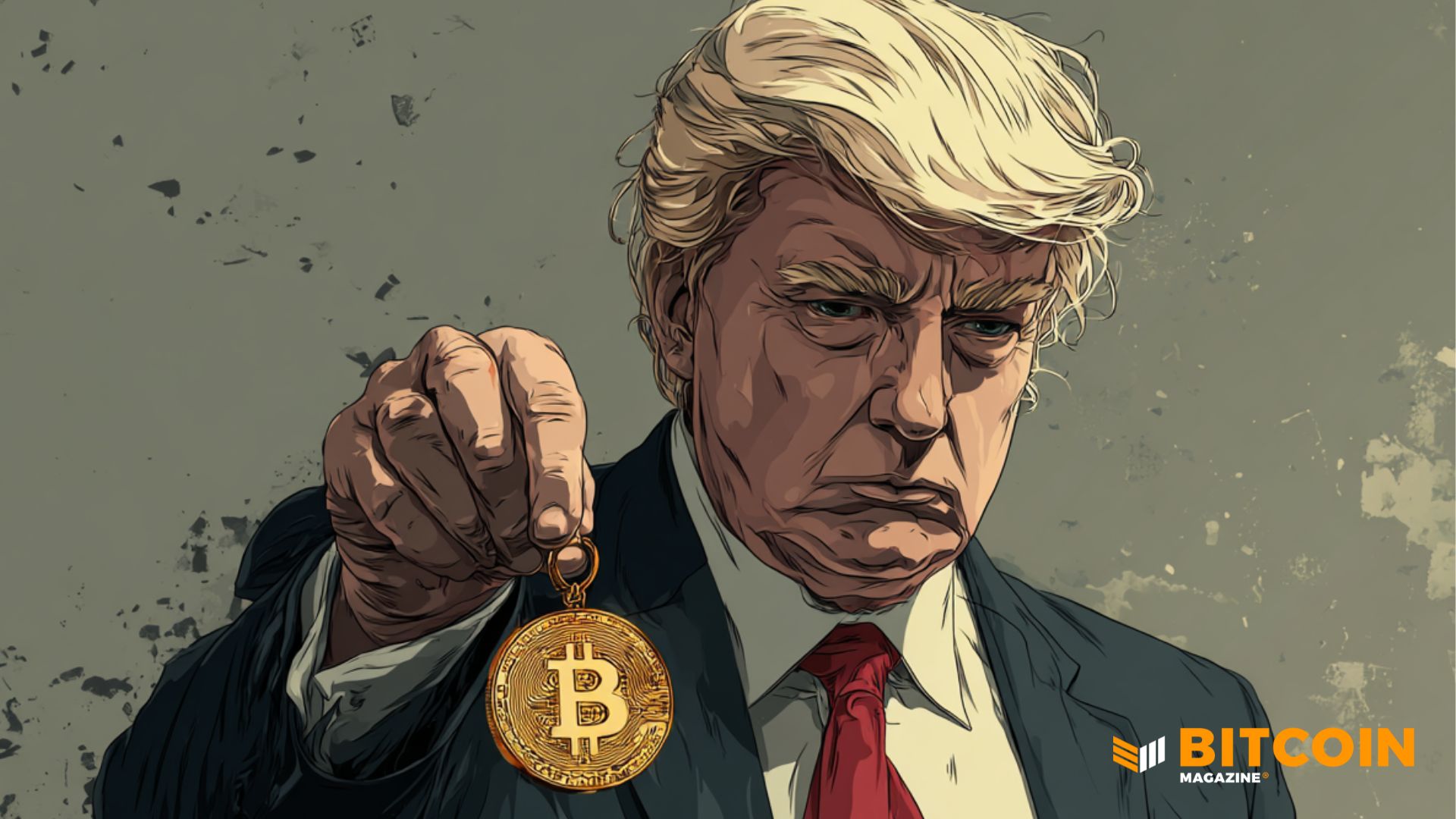
Bitcoin Magazine This Investor Thinks the United States Could Start Buying Bitcoin in 2026 Cathie Wood is betting that politics, not just markets, could be the catalyst that pushes the United States into actively buying bitcoin. The ARK Invest founder said this week that cryptocurrency has become a durable political issue for President Donald Trump, one that could shape policy decisions as the White House looks ahead to the 2026 midterm elections. In Wood’s view, that dynamic increases the odds that the federal government eventually moves beyond holding seized BTC and begins purchasing BTC outright for a national strategic reserve. Crypto was “part of the reason he won the presidency,” Wood said on a recent episode of ARK’s Bitcoin Brainstorm podcast. With midterms looming, she argued, Trump has incentives to keep the industry onside and to deliver visible progress. “The most important one is that he doesn’t want to be a lame duck. He wants to have another one or two productive years, and I think he sees crypto as a path to the future,” Wood said. The U.S. BTC reserve was created by executive order less than a week into Trump’s second term, alongside a broader digital asset stockpile and a new interagency working group chaired by Special Advisor for AI and Crypto David Sacks. So far, however, the reserve has been capitalized only with bitcoin seized through criminal forfeitures — assets Trump has pledged not to sell. “It seems as though there has been reticence about actually buying bitcoin for the strategic reserve,” Wood said. “So far, it’s confiscated [bitcoin].” That posture, she suggested, may not last. “The original intent was to own one million bitcoins, so I actually think they will start buying.” Crypto has emerged as a more organized political constituency over the past election cycle. Industry-backed political action committees poured money into congressional races, while prominent executives publicly endorsed Trump and, in some cases, donated personally. Wood herself was among those supporters. The administration has also made a point of signaling engagement with the sector. The White House has hosted crypto-related events, and firms including Coinbase, Tether and Ripple are among those contributing to the construction of a new White House ballroom. Bitcoin as a ‘scarce value’ On the policy front, Trump has signed executive orders establishing the bitcoin reserve and crypto stockpile, and backed legislative efforts such as the GENIUS Act, which would formalize stablecoin rules. A July report from Sacks’ working group laid out additional recommendations, including granting the Commodity Futures Trading Commission authority over spot markets in non-security digital assets. It reaffirmed that the bitcoin reserve and crypto stockpile would be administered by the Treasury Department and, at least initially, funded with forfeited assets. The order also directed the Treasury and Commerce Departments to explore “budget-neutral” ways to acquire additional bitcoin. Wood sees that constraint as the key hurdle, but not an insurmountable one. She framed potential government buying as a market inflection point, especially as bitcoin’s supply tightens. Nearly 20 million of bitcoin’s 21 million cap have already been mined. “If we get the U.S. not just adding confiscated bitcoin to a strategic reserve but actually out there buying,” Wood said, “that would set off what we’re all waiting for — the scarcity value to reassert itself.” This post This Investor Thinks the United States Could Start Buying Bitcoin in 2026 first appeared on Bitcoin Magazine and is written by Micah Zimmerman.

Cover image for This Investor Thinks the United States Could Start Buying Bitcoin in 2026

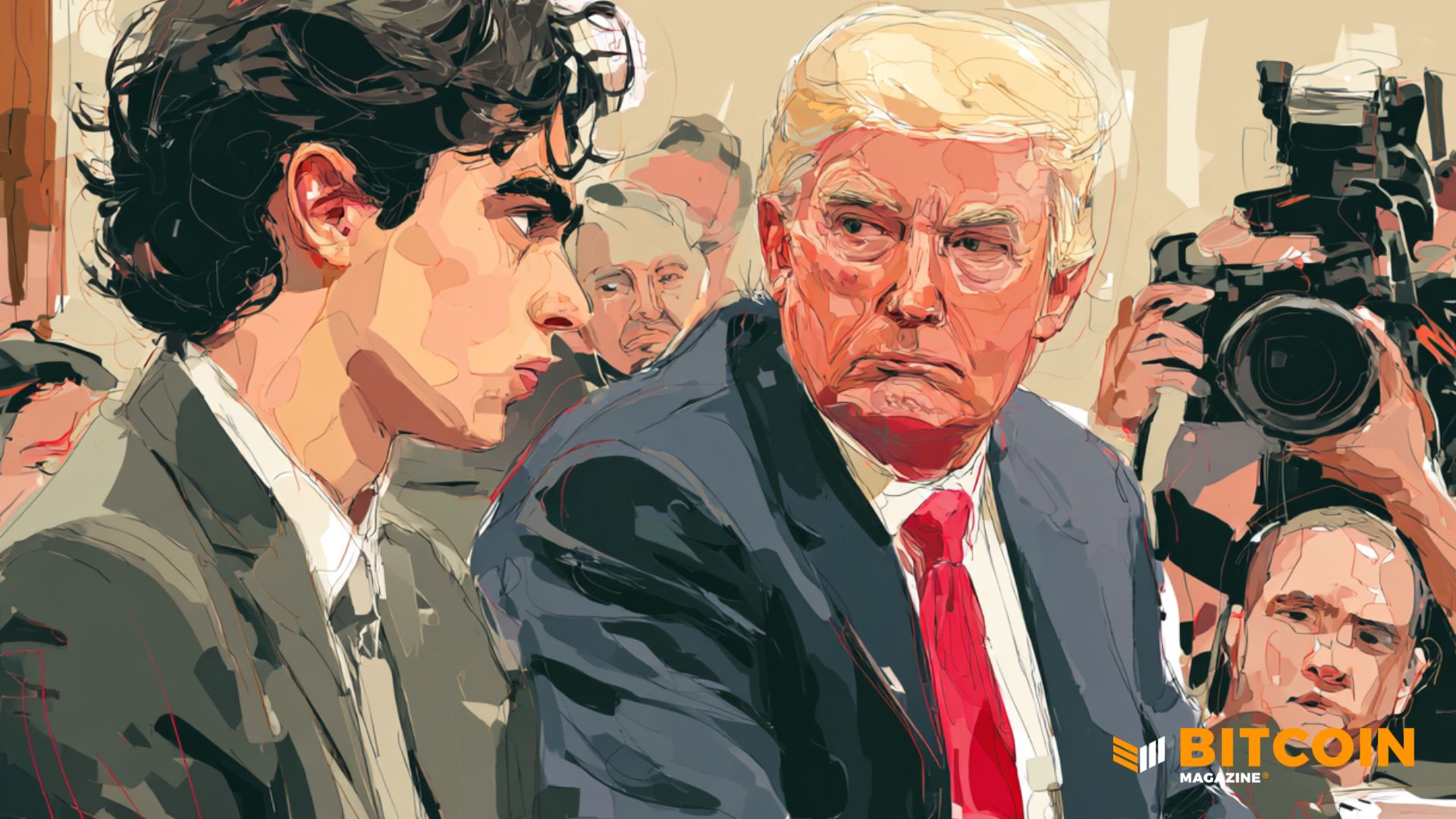
Trump Says He Won’t Pardon Sam Bankman-Fried

Bitcoin Magazine Trump Says He Won’t Pardon Sam Bankman-Fried President Donald Trump said this week that he has no intention of pardoning Sam Bankman-Fried, the former FTX chief executive who is serving a lengthy federal prison sentence for one of the largest financial frauds in U.S. history. In an interview with The New York Times, Trump was asked whether he would consider granting clemency to several high-profile inmates. Among the names raised was Bankman-Fried, the onetime cryptocurrency billionaire convicted in 2023 of stealing billions of dollars from FTX customers. Trump’s response was that he is not considering it, according to The New York Times. The remark puts somewhat of a stop to months of speculation inside crypto and political circles about whether Bankman-Fried might angle for relief from a president who has frequently criticized federal prosecutors and used his pardon power aggressively. Bankman-Fried was sentenced in November 2024 to 25 years in prison after a New York jury found him guilty on seven counts, including wire fraud and conspiracy. Prosecutors said he orchestrated a scheme that diverted customer funds to prop up his hedge fund, Alameda Research, while presenting FTX as a safe and compliant exchange. The collapse wiped out billions in customer assets and triggered a global crackdown on crypto firms. Sam Bankman-Fried’s push for a pardon Since his conviction, Bankman-Fried and those close to him have pursued multiple avenues that appeared designed to soften his public image and create openings for clemency. In early 2024, Bankman-Fried gave a rare jailhouse interview to Tucker Carlson, portraying himself as misunderstood and claiming FTX customers would have been “made whole” absent government intervention. The interview circulated widely among conservative audiences and was seen by many as a calculated appeal to Trump-aligned media figures. Around the same time, Bankman-Fried’s parents, both Stanford law professors, sent letters to the court seeking leniency at sentencing, emphasizing his charitable intentions and arguing that a decades-long prison term would be excessive. While not directed at Trump, the effort reinforced a broader strategy of reframing Bankman-Fried as a flawed but non-malicious actor rather than a criminal mastermind. Bankman-Fried has also highlighted his past political realignment. Though he was one of the largest donors to Democrats in the 2022 cycle, he later claimed in interviews that he had secretly given comparable amounts to Republicans and had grown disillusioned with the Biden administration. Those comments were widely interpreted as an attempt to distance himself from Democratic power centers and signal openness to a future Republican-led clemency process. Trump, however, has not shown any public sympathy. While he has argued that allies prosecuted under the Biden administration were victims of a “weaponized” Justice Department, Bankman-Fried’s case does not fit that narrative. The fraud investigation began before Biden took office and was driven by customer losses and internal FTX records. President Trump did pardon Binance founder Changpeng Zhao (CZ) in October 2025 for his 2023 guilty plea to money laundering violations, a move framed by the White House as ending the Biden administration’s “war on cryptocurrency” and a potential pathway for Binance to re-enter the U.S. market. This post Trump Says He Won’t Pardon Sam Bankman-Fried first appeared on Bitcoin Magazine and is written by Micah Zimmerman.

Cover image for Trump Says He Won’t Pardon Sam Bankman-Fried

Bitcoin Could Hit $2.9 Million by 2050, VanEck Says

Bitcoin Magazine Bitcoin Could Hit $2.9 Million by 2050, VanEck Says VanEck released a new report on Bitcoin’s long-term capital market assumptions today, projecting strong growth over the next several decades and outlining how institutional investors might use the asset in diversified portfolios. The report, authored by VanEck’s Head of Digital Assets Research Matthew Sigel and Senior Analyst Patrick Bush, models BTC reaching $2.9 million per coin by 2050 under a base-case scenario. This represents a 15% compound annual growth rate (CAGR) from today’s prices. The model assumes BTC captures 5–10% of global trade and becomes a reserve asset making up 2.5% of central bank balance sheets. Bitcoin at $53.4 million per coin in 2050 VanEck also provided a range of outcomes. In a conservative “bear” scenario, Bitcoin grows at just 2% per year, reaching around $130,000 per coin. In a bullish “hyper-bitcoinization” scenario, where BTC captures 20% of global trade and 10% of domestic GDP, the asset could theoretically reach $53.4 million per coin, a 29% CAGR. The report emphasizes Bitcoin’s potential as a strategic, low-correlation asset for institutional portfolios. VanEck recommends a 1–3% allocation for most diversified portfolios. For higher risk-tolerant investors, allocations up to 20% historically optimize returns, according to their analysis. $161 billion investment firm VanEck is predicting a $2.9 million #Bitcoin price by 2050 and you're bearish? pic.twitter.com/c2EtXG7Yo0 — Bitcoin Magazine (@BitcoinMagazine) January 8, 2026 VanEck argues that BTC’s role is becoming more than speculative. It could function as a reserve asset and hedge against monetary debasement, particularly as developed markets face high sovereign debt. “The risk of zero exposure to the most established non-sovereign reserve asset may now exceed the volatility risk of the position itself,” the report notes. The firm’s research also addresses volatility and market structure. Annualized BTC volatility is modeled at 40–70%, comparable to frontier equities or early-stage tech, though realized volatility recently hit multi-year lows near 27%. VanEck attributes much of Bitcoin’s short-term price swings to futures leverage and derivatives, rather than fundamental adoption issues. They also highlight BTC’s historically low correlation to stocks, bonds, and gold, with a long-term negative correlation to the U.S. dollar. For tactical investors, VanEck tracks blockchain metrics such as the Relative Unrealized Profit (RUP). As of December 31, 2025, Bitcoin’s RUP was 0.43 — mid-cycle — suggesting room for further gains before a market peak. Futures funding rates remain moderate at 4.9%, below levels that typically signal market tops. On portfolio impact, VanEck’s simulations show that even small BTC allocations can improve efficiency. In a traditional 60/40 equity-bond portfolio, replacing 1–3% with Bitcoin increased the Sharpe Ratio, capturing the asset’s “convex return” without adding proportional risk. A 3% allocation historically yielded the highest return per unit of risk in their analysis. At the time of writing, Bitcoin is near $91,000. This post Bitcoin Could Hit $2.9 Million by 2050, VanEck Says first appeared on Bitcoin Magazine and is written by Micah Zimmerman.

Cover image for Bitcoin Could Hit $2.9 Million by 2050, VanEck Says

Trump’s Second Term Creates Rare ‘Golden Window’ for Any Crypto Policy Progress: Report

Bitcoin Magazine Trump’s Second Term Creates Rare ‘Golden Window’ for Any Crypto Policy Progress: Report The U.S. is entering what may be the most favorable policy environment for crypto since the industry emerged, as President Donald Trump’s second term accelerates deregulation across financial markets and pulls digital assets closer to the center of the U.S. financial system, according to a new outlook from TD Cowen’s Washington Research Group. The report, shared with Bitcoin Magazine, characterizes 2026 as a rare convergence of aligned regulators, political will, and market momentum, creating a short window in which crypto firms could secure lasting policy gains. Those gains, however, are not guaranteed to endure. TD Cowen repeatedly warned in its report that many initiatives could be revised or reversed by a future Democratic administration if they are not finalized, implemented, and legally defended before the next presidential transition in 2029. Rather than sweeping crypto legislation, the firm expects change to arrive through exemptions, agency guidance, new charters, and targeted market-structure adjustments. The result is a regulatory strategy that emphasizes speed and durability over ambition. TD Cowen describes the broader environment as a “golden age of deregulation” for financial services, housing, and crypto. The report says Trump has moved faster than prior presidents to assert control over financial regulators, installing leadership teams explicitly committed to lighter, more tailored oversight and a more permissive stance toward digital assets and tokenization. The White House, Treasury Department, and market regulators are described as unusually aligned on the view that regulation should accommodate innovation rather than constrain it. Timing is critical for any crypto progress That alignment underpins many of the crypto initiatives expected to unfold in 2026, but TD Cowen cautions that timing is critical. Rules must be finalized this year to withstand court challenges and become harder to unwind if political control shifts after the 2028 election. At the Securities and Exchange Commission, the report says Chair Paul Atkins is preparing to use exemptive relief to expand crypto-related activity within U.S. securities markets. The SEC is expected to issue so-called “innovation exemptions” as early as the first quarter of 2026, allowing brokerages and crypto platforms to offer tokenized stocks and bonds that settle instantly and operate outside certain elements of the National Market System. TD Cowen expects early tokenized equity trading to focus on retail investors and benefit online brokerages and crypto-native exchanges. The SEC is likely to loosen best-price obligations for these products while leaving the core Order Protection Rule intact for traditional markets. The firm assigns the initiative a moderate sustainability rating, suggesting a future Democratic SEC would layer on investor protections rather than dismantle tokenization altogether. The SEC is also expected to clarify how staking-as-a-service programs are treated under securities law. Fixed-return staking products would likely be classified as securities, while variable, profit-sharing arrangements could be treated as fee-for-service activities. TD Cowen sees growing bipartisan agreement that staking requires a clearer framework, even if the details remain contested. On the banking side, regulators have begun opening the perimeter to crypto firms while maintaining formal limits on deposit-taking and lending. In December 2025, the Office of the Comptroller of the Currency granted national trust charters to several crypto firms, including Circle, Ripple, and Paxos, allowing them to hold stablecoin reserves under a single federal regime instead of navigating state-by-state oversight. TD Cowen argues these charters deepen the integration between traditional banking and digital assets and could eventually pave the way for banks to issue and manage stablecoins themselves. While Democrats could tighten supervision if they regain power, the firm views outright revocation as unlikely. The Federal Reserve is also moving to accommodate crypto-linked payments activity. The report highlights a proposal for “Payment Master Accounts” that would grant eligible crypto and payments firms limited, non-interest-bearing access to the Fed’s payment rails. These accounts would process transactions without providing overdrafts or discount-window access. TD Cowen sees the move as durable once implemented, despite concerns from banks about increased competition. The CLARITY act is a centerpiece for crypto progress On Capitol Hill, the centerpiece of the crypto agenda is a proposed market-structure bill known as the CLARITY Act. TD Cowen remains skeptical that Congress will deliver a second major legislative win after passing stablecoin legislation, but it says a narrow compromise remains possible on investor protection, custody standards, and anti–money laundering rules. The largest obstacle is Democratic insistence on ethics provisions barring senior government officials and their families from owning crypto exchanges, issuing tokens, or operating stablecoins — language aimed at Trump’s ties to World Liberty Financial. TD Cowen warns there is no easy compromise on this issue, raising the risk that market-structure legislation slips into 2027 or collapses altogether. Beyond trading and regulation, the report points to growing interest in tokenizing real-world records, including property deeds, mortgage documentation, and medical files. These projects are framed as efficiency upgrades rather than deregulatory flashpoints, making them more politically durable. This post Trump’s Second Term Creates Rare ‘Golden Window’ for Any Crypto Policy Progress: Report first appeared on Bitcoin Magazine and is written by Micah Zimmerman.

Cover image for Trump’s Second Term Creates Rare ‘Golden Window’ for Any Crypto Policy Progress: Report

Will a Supreme Court Ruling Against Trump Cause a Bitcoin Crash?

Bitcoin Magazine Will a Supreme Court Ruling Against Trump Cause a Bitcoin Crash? Bitcoin is trading near $90,000, extending a fall-off after spending several days above $92,000. The crypto now faces a fresh macro test as markets brace for a U.S. Supreme Court decision that could land Friday on the legality of President Donald Trump’s global tariffs. The case centers on tariffs imposed in early 2025 under the International Emergency Economic Powers Act, a 1977 statute typically used for sanctions during national emergencies. Trump used the law to justify “Liberation Day” tariffs ranging from 10% to 50% on global imports, alongside targeted duties on China, Canada, and Mexico tied to fentanyl trafficking concerns. His administration argued that persistent trade deficits and national security risks met the threshold for an emergency. Lower courts disagreed. Both the U.S. Court of International Trade and a federal appeals court ruled that Trump exceeded his authority, emphasizing that Congress holds primary power over tariffs. The Supreme Court heard arguments in November, with skepticism voiced across ideological lines. While the court does not preannounce decisions, it has signaled rulings could be released on Jan. 9. If the tariffs are struck down, the financial implications could be large. Reuters reported that more than $133.5 billion in duties could be subject to refunds, raising questions about timing, fiscal impact, and replacement policies. Trump has claimed the tariffs generated roughly $600 billion in revenue, a figure that has shaped market anxiety around refunds and Treasury financing. The ruling’s impact on Bitcoin All traders are watching this situation closely, not because tariffs directly affect Bitcoin’s network, but because macro shocks in all markets often ripple through risk assets. During prior trade escalations, Bitcoin tended to sell off alongside equities as liquidity tightened and risk appetite faded. Warnings have grown louder on social media. Semi-popular trader Wimar.X called Friday “the worst day of 2026,” arguing that a negative ruling could force markets to price refund obligations, emergency policy responses, and retaliation risks at the same time. “That’s not clarity. That’s chaos,” he wrote. Prediction markets reflect those concerns. On Polymarket, odds imply a strong chance (76%) the court invalidates the tariffs, suggesting traders see downside risk as under-appreciated. Still, not all expect a lasting selloff. For Bitcoin, the near-term risk appears tied to volatility rather than direction. The asset remains sensitive to shifts in yields, equities, and dollar liquidity. A sharp risk-off move could push prices lower, especially with Bitcoin still below key resistance near $94,000 to $95,000. A ruling that reduces uncertainty could also produce a brief relief rally. The larger question is not whether Bitcoin crashes on a headline, but whether a court decision reshapes the macro backdrop for BTC. This post Will a Supreme Court Ruling Against Trump Cause a Bitcoin Crash? first appeared on Bitcoin Magazine and is written by Micah Zimmerman.

Cover image for Will a Supreme Court Ruling Against Trump Cause a Bitcoin Crash?

Florida Revives Bitcoin Reserve Push With New 2026 Bill

Bitcoin Magazine Florida Revives Bitcoin Reserve Push With New 2026 Bill Florida lawmakers have revived a push to put bitcoin on the state’s balance sheet, filing new legislation for the 2026 session that would create a state-run cryptocurrency reserve after a similar effort stalled last year. House Bill 1039, filed Jan. 7 by Republican Rep. John Snyder, would establish a Strategic Cryptocurrency Reserve Fund that sits outside Florida’s main treasury. The proposal authorizes the state’s chief financial officer to invest public funds in digital assets under a set of guardrails that include audits, reporting requirements, and advisory oversight. The bill marks a reset rather than a clean break. Florida lawmakers floated broader crypto investment proposals in 2025, but those measures were withdrawn after facing resistance over scope and risk. The new framework narrows the focus and reflects a growing preference among Republican lawmakers for treating bitcoin as a reserve-style asset rather than a speculative trade. Under HB 1039, the CFO would have discretion over whether and when to invest. The bill does not mandate a minimum allocation. Earlier versions of Florida legislation proposed allowing up to 10% of certain state-managed funds to be invested in bitcoin. While the new bill revives that concept, it leaves deployment decisions to the CFO and places the reserve outside pension and retirement accounts. The legislation includes requirements for independent audits and the creation of an advisory committee to guide investment strategy and risk management. Supporters say those provisions are meant to address concerns about volatility while still giving the state flexibility to act. The renewed effort is closely tied to parallel legislation in the Senate. Republican Sen. Joe Gruters, a longtime bitcoin supporter and ally of President Donald Trump, has filed companion bills that lay out the trust structure and funding mechanics for the reserve. Together, the House and Senate measures would govern how Florida acquires, holds, and manages any digital assets. Bitcoin as a financial hedge for Florida While the bills do not explicitly name bitcoin, they effectively limit eligibility to it. Only digital assets that maintained an average market capitalization of at least $500 billion over the past 24 months would qualify. At present, bitcoin is the sole asset that meets that threshold, with a market cap above $1 trillion. Ethereum and other crypto fall well short. Source: HB 1039 Backers frame the proposal as a hedge rather than a bet. Florida Chief Financial Officer Jimmy Patronis has publicly described bitcoin as “digital gold” and said limited exposure could help diversify state-managed funds over long time horizons. The bill states that the reserve is intended to help protect public assets against inflation and currency debasement. Florida’s approach mirrors moves in other states that have narrowed their focus to bitcoin after initial attempts to authorize broader crypto exposure. New Hampshire became the first state to explicitly allow public funds to be invested in crypto, granting its treasurer authority to allocate up to 5% of certain portfolios. Texas approved a small bitcoin ETF purchase in late 2025 as part of its own reserve strategy. Wyoming, meanwhile, has passed a slate of laws clarifying the legal status of digital assets without committing public funds. The proposal also fits within Florida’s broader stance on digital money. In 2023, Gov. Ron DeSantis signed legislation blocking central bank digital currencies from recognition under the state’s commercial code. The move positioned Florida as skeptical of federally issued digital money while remaining open to decentralized alternatives like bitcoin. If passed, Florida would become one of the largest U.S. states to formally experiment with crypto as a reserve-class asset. Supporters argue that a tightly governed reserve could allow the state to gain exposure without putting core public funds at risk. Critics, however, point to bitcoin’s history of sharp price swings and question whether public money should be exposed at all. HB 1039 and its Senate companions must clear committee hearings and floor votes during the 2026 legislative session. The bills include a conditional effective date of July 1, 2026, meaning implementation would only begin if the full legislative package is approved and signed into law. This post Florida Revives Bitcoin Reserve Push With New 2026 Bill first appeared on Bitcoin Magazine and is written by Micah Zimmerman.

Cover image for Florida Revives Bitcoin Reserve Push With New 2026 Bill

Crypto Crime Soared to $154 Billion in 2025 as Russia, North Korea, and Iran Exploit Blockchain Tech

Bitcoin Magazine Crypto Crime Soared to $154 Billion in 2025 as Russia, North Korea, and Iran Exploit Blockchain Tech Crypto crime surged to unprecedented levels in 2025, fueled by a combination of nation-state activity, large-scale thefts, and increasingly professionalized criminal infrastructure, according to newly compiled data from Chainalysis shared with Bitcoin Magazine. Illicit crypto addresses, an account involved in criminal activities like scams, ransomware, darknet markets, etc, received at least $154 billion over the year — a 162% increase from 2024 — with sanctioned entities accounting for a dramatic 694% of that growth. Even excluding sanctioned actors, 2025 still set a record for illicit crypto activity, highlighting the broadening scope of the threat landscape, according to the report. While these numbers represent a lower-bound estimate based on known illicit addresses, they signal an ecosystem that is maturing, diversifying, and, increasingly, intersecting with global geopolitical tensions. The report cautioned that although illicit activity remains under 1% of total crypto volume, the implications for national security, consumer protection, and regulatory oversight are growing. Nation-states are driving new crypto crime records Perhaps the most striking trend of 2025 was the rise of nation-state activity on-chain. Russia’s ruble-backed A7A5 token alone transacted over $93.3 billion within its first year, marking one of the clearest real-world examples of state-backed crypto-enabled sanctions evasion. Iran, meanwhile, continued to leverage proxy networks for money laundering, illicit oil sales, and arms procurement, funneling more than $2 billion through wallets confirmed in sanctions designations. North Korea also intensified its operations: DPRK-linked hackers stole $2 billion last year, including the largest crypto heist on record, the February Bybit exploit, which netted nearly $1.5 billion, per the report. These developments underscore a massive shift: nation-states are now participating in the same professionalized crypto service ecosystem originally designed to facilitate cybercrime and organized crime. By leveraging “full-stack” illicit infrastructure providers, states can conduct large-scale operations while minimizing exposure to enforcement. Stablecoins are dominating illicit crypto activity Stablecoins emerged as the preferred asset for illicit actors, accounting for 84% of all illicit transaction volume in 2025, according to the report. Stablecoin liquidity, price stability, and ease of cross-border transfer as primary drivers. As the broader crypto ecosystem relies on stablecoins for transactions and settlements, their dominance in illicit activity highlights a potential blind spot for regulators and compliance teams. Chinese money laundering networks expanded The year also saw the consolidation of Chinese money laundering networks (CMLNs) as major players in the illicit ecosystem. These operations provide a wide range of services, including laundering-as-a-service and technical infrastructure, supporting everything from North Korean hack proceeds to sanctions evasion and terrorist financing. By offering end-to-end criminal infrastructure, these networks have professionalized illicit finance in ways that mirror legitimate corporate operations, making enforcement increasingly complex. The human cost of on-chain crime While headlines often focus on hacks and sanctions evasion, the report emphasized that crypto crime is increasingly tied to physical-world violence. Human trafficking operations, coercion attacks, and other crimes now intersect with on-chain activity, sometimes timed to exploit cryptocurrency price volatility. This convergence of digital and physical crime underscores the importance of coordination among law enforcement, regulatory bodies, and crypto platforms, the report claimed. As the on-chain ecosystem continues to grow, so too does the sophistication of those seeking to exploit it. Nation-states, transnational criminal networks, and professionalized infrastructure providers are converging, creating threats that span finance, security, and public safety. While illicit activity remains a small fraction of total crypto volume, 2025 demonstrates that even a small share can translate into tens of billions of dollars in illicit volume. Chainalysis is a blockchain analytics company that provides software and data to governments, law enforcement, exchanges, and financial institutions to track, analyze, and investigate cryptocurrency transactions for compliance and criminal investigations. This post Crypto Crime Soared to $154 Billion in 2025 as Russia, North Korea, and Iran Exploit Blockchain Tech first appeared on Bitcoin Magazine and is written by Micah Zimmerman.

Cover image for Crypto Crime Soared to $154 Billion in 2025 as Russia, North Korea, and Iran Exploit Blockchain Tech

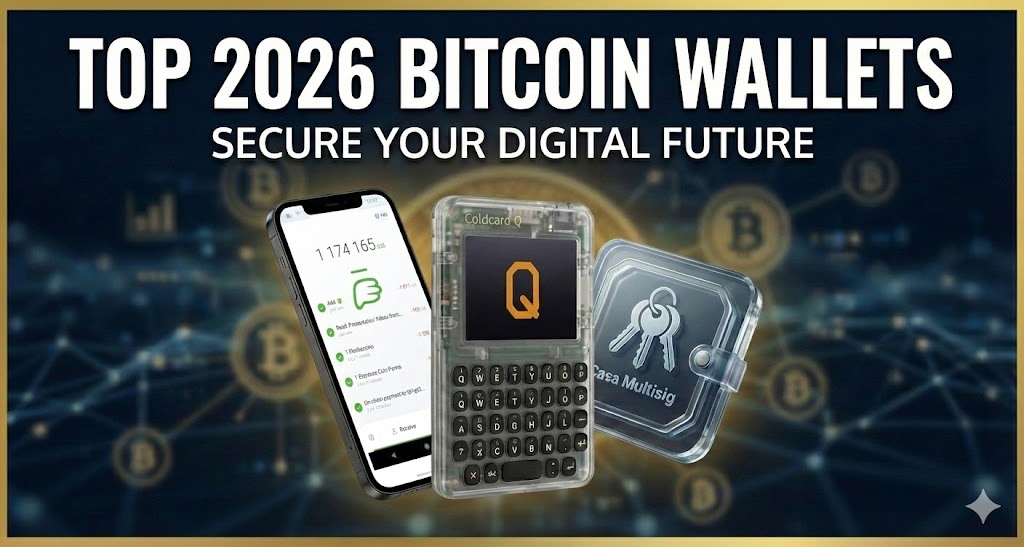
Top Self Custody Bitcoin Wallets for 2026

Bitcoin Magazine Top Self Custody Bitcoin Wallets for 2026 As we stroll past January 3rd, the day Bitcoin was effectively born, an old tradition in the Bitcoin industry passed us by, the “not your keys, not your coins” day, which was celebrated widely for a few years in a row back in 2014. While the news cycle this year was dominated by geopolitics and many Bitcoiners are entering the industry via ETFs, Bitcoin self-custody nevertheless remains a core value proposition of Bitcoin and one that merits a deep dive into the best options available to users to date. To that end, here’s the top mobile, desktop, hardware, seed backup, and multi-signature wallets for Bitcoin-specific users in the market today, as far as I am concerned. Opinions expressed in this article are entirely the author’s and do not necessarily reflect those of BTC Inc. or Bitcoin Magazine. Mobile Bitcoin Wallet Apps The first self-custody wallet everyone should try is probably on a mobile device. The comfort and speed of sending Bitcoin from your phone across the world, be it to a relative abroad or to donate to a special cause, is unparalleled with Bitcoin. The first way people are likely to use the digital currency is also through a mobile wallet. Not all mobile wallets are made equal; however, most software wallets are closed source and contain a bunch of crypto coins, which means they don’t specialize in any of them, often a sign of mediocre user experiences to come. Below is a list of the best Bitcoin-only or Bitcoin-savvy wallets that a discerning user should consider. Phoenix Wallet Leading the charge of the Bitcoin-only mobile world is arguably Phoenix Wallet. At the top of their game from a UI and back-end perspective, Acinq continues to deliver the best optimized experience for Bitcoiners concerned with self-custody. On the on-chain front, they support full self-custody, with on-chain payments at a decent fee rate, letting users make payments to all standard Bitcoin address types. Users can also fund the wallet to an on-chain address, which will automagically load up that balance into a lightning channel. While Phoenix is not the best on-chain wallet by any means, it is, for most purposes, good enough. Where Phoenix shines, however, is on the lightning payments side. It supports a wide range of standards and has one of the best integrated and funded nodes on the network, giving users maximum reliability. The lightning arrangement with Phoenix is one of mixed self-custody, where the user has all the relevant key material, with some dependency on Phoenix and minimum trust. The wallet can be side-loaded into Android via an APK, for those so inclined, and its back end can be run using phoenixd for app developers and node runners. Phoenix requires a minimum of about 10,000 satoshis to be spent the first time the wallet is set up, to cover on-chain fees for Lightning channels and to buy capacity on the Lightning Network. This friction point can be awkward when setting up new users with Lightning. Making it an advanced yet powerful and easy-to-use Bitcoin wallet. Phoenix has a variety of open source tools and software available online. Blockstream Wallet Blockstream Wallet, brought to you by Blockstream Corporation of Adam Back fame, is a reliable Bitcoin wallet with well-rounded support for Bitcoin on-chain transactions, as well as native support for the Liquid Network. Liquid has gained popularity in recent years for supporting a similar user experience as on-chain Bitcoin with comparable speeds to the Lightning Network, and a security model that is probably good enough, leveraging a multinational federation. Blockstream Wallet can hold USDT on top of Liquid, though it does not include a built-in swap interface, introducing significant frictions and exposing users to third-party fees for swapping in and out of the networks and into more popular USDT base chains. Nevertheless, liquid provides users remarkable privacy, as it encrypts amounts at the base layer similar to some of the most popular privacy coins, giving users some of the best privacy available in Bitcoin in exchange for some of the other UI pain points we just discussed. Blockstream Wallet is open source and remains one of the top choices for Bitcoin self-custody today. Bull Bitcoin Wallet A new entrant into the wallet space, Francis Pouliot’s Bull Bitcoin Mobile wallet has left a strong impression among self-custody advocates, with its purist yet pragmatic design philosophy. The wallet is fully open source and on an MIT license. It includes the Bull Bitcoin exchange as an optional service, available in Canada, Europe, Mexico, Argentina, and Colombia, Puerto Rico (bitcoin jungle wallet), letting users buy bitcoin, automate purchases in dollar cost average format, sell bitcoin for local fiat, and even make payments to third parties. The user sends bitcoin, and the recipient gets the local fiat. While the Bull Bitcoin Mobile wallet is designed for new users to have all the payment tools they need to use Bitcoin as money, the wallet also supports a variety of advanced features under the hood. It’s one of the first to implement the async Payjoin protocol, which provides users with great privacy on-chain when using compatible wallets. This Payjoin feature is backwards compatible and invisible to the user, so it introduces no friction, just privacy benefits. The wallet leverages the Liquid network to hold small amounts of bitcoin at rest, while natively supporting the Boltz protocol for swapping out into the Lightning Network, letting users make Lightning payments without issue, as well as receive Lightning payments with minimum trust, since Boltz uses non-custodial atomic swaps, delivering the value to users on a Liquid address. The wallet also has full Bitcoin on-chain support, with NFC tap to pay for hardware wallets like the Coldcard Q, which are designed for deep self-custody, high-value transactions. All and all, Bull Bitcoin Mobile stands to be one of the most promising Bitcoin wallets for 2026, making design decisions that address the everyday needs of the active Bitcoin user. Zeus Wallet Zeus Wallet is a lightning payments app that has made incredible progress in taking Lightning Network self-custody to the limit. Bitcoin’s layer to payment network is very fast and has significant privacy benefits compared to the base on-chain payment rails of Bitcoin, but the downsides are seen when users attempt to take self-custody, as control over funds depends far more on running a lightning node. Zeus makes running a lightning node on a mobile phone easy and mostly automated. Initially created as an interface for managing self-hosted home lightning nodes, it now supports a deep range of tools for advanced users alongside a full onboarding interface for new users, offering a superior onboarding experience to even Phoenix Wallet. The only downside is that it can be a bit slow to open and sync up, and eventually does start to demand users move up the learning curve, for the right person it might be a great choice. Zeus Wallet is also open source. Cake Wallet Cake Wallet has become an increasingly important player in the Bitcoin and crypto privacy space, as it has led the charge, bringing advanced privacy technologies to the mobile platform. They support a variety of privacy initiatives like the Payjoin foundation and were the first major wallet to integrate its protocol as well as the Silent Payments standard. Cake supports coins other than Bitcoin, such as Monero, Ethereum, and various other tokens, including stablecoins. Cake Wallet is also open source. Desktop Wallets Sparrow Wallet On the Desktop front, Sparrow Wallet has emerged as the Swiss Army Knife of Bitcoin wallets. Easy to install, capable of connecting to local nodes as well as without them, with access to the full range of bitcoin address types, multisig, hardware wallet support, etc. Sparrow has, by most standards, reached the kind of “pro” level of feature richness and positive renown that the Electrum wallet has enjoyed for more than a decade. It is, of course, fully open source. Electrum Electrum wallet continues to be a staple of Bitcoin self-custody wallets, capable of connecting to most hardware wallets, with an interface so stable and straightforward that it very much defined user expectations of a desktop wallet, similar to the Bitcoin core QT, but much easier to run and use. Electrum even has a lightning wallet mode, which works surprisingly well, defying the idea that it is a feat for advanced users. Electrum tries to default to its own 12-word standard, which is not compatible with most wallets, a technical decision that, in my opinion, has added unnecessary friction to the onboarding and recovery processes, but it is one that can be opted out of. It is also fully open source and can be run with its back-end companion, electrumX server, which indexes the full Bitcoin blockchain, making it easy to search for user balances, with very strong privacy. Hardware Wallets Coldcard Q The Coldcard Q made a strong impact in the self-custody world in 2025 with its counter-tendency design decisions. Unlike many hardware wallets in the industry, it refuses to add Bluetooth support. NVK, the co-founder and CEO, considers it too risky, given the range and the black box code it depends on. Instead, to serve the rising user experience demands of the market, the Q comes with a high-quality laser scanner for QR codes and NFC antennas, covering both the input of bitcoin transaction data into the device and output, to send transactions onto the network. This flow is particularly useful when signing pre-signed transactions in the construction, for example, of a multisig, and should be easy to integrate with Payjoin privacy schemes LINK. Opting for its hard cypherpunk aesthetic, the device has a transparent shell that lets the user verify the hardware inside, while bringing back the nostalgic Blackberry-style keyboard with comfortable buttons, leaving touch screens in the dust. The device screen rocks an orangy golden font over deep black, the Bitcoin version of the Matrix code color scheme. Finally, the device takes three AA batteries, letting it operate without power cables, entirely unplugged from any machines and de-risking it from battery malfunctions, bricking the devices as has been observed in some hardware wallets with integrated batteries. All in all, the Coldcard Q is undoubtedly the gold standard of Bitcoin hardware wallet security, with all the downsides that its purity entails, such as Bitcoin only support, not even stablecoins are allowed in. The firmware, hardware, and most, if not all, related software are source available under various licenses. Trezor Safe 7 For those more crypto practical, Trezor continues to make excellent hardware wallet products, guided by its over 10 years of experience in the industry; they arguably created the industry, in fact, launching the first hardware wallet, the Trezor One, which still holds out well enough today. Nevertheless, they’ve recently launched a new version of their hardware, the Trezor Safe 7, with a wider screen and a variety of wireless-related user experience upgrades for the professional and active crypto user. Trezor firmware, hardware designs, and a variety of its software tools are open source under various licenses. Multi-Signature Bitcoin Wallets Casa Wallet Casa Wallet, the multi-signature Bitcoin and Ethereum Wallet company led by Jameson Lopp, continues to be the spearhead of user experience and self-custody for those so inclined. The app enables users to leverage two general models of self-custody: 2 of 3 keys needed to sign and 3 of 5. With some variability and advanced settings that let users choose their own path. They support most hardware wallets for key management and offer their recovery key solution by default on both plans, a key pillar of their inheritance solution offering for advanced subscriptions. In recent years, they added Ethereum support, a controversial but realist move which unlocked stablecoin storage in the multisig security model for crypto whales. The company remains defensive of its user data and collects the minimum amount required legally, letting users pay for their subscriptions with Bitcoin, which range from $250 a year up to $2100, depending on the model and services needed. They also offer custom support to individuals who have non-standard threat models, are famous, or are high-net-worth individuals with very specific demands. Casa also offers support and technical guidance at various levels, depending on the user plan, and is known to respond quickly to support emails in general. Jameson Lopp has a deep range of articles covering Bitcoin and crypto security best practices, which can be found at Lopp.net. Nunchuck Wallet Nunchuck Wallet is another multi-signature focused Bitcoin app that has gained significant renown in the industry in recent years. They were born and forged in the fires of COVID drama up in Canada, learning important lessons from the censorship that took place and getting a front seat to how Western governments can go rogue. The app lets users set up a wide range of different multi-signature accounts with a wide range of hardware wallet support, including some of the most advanced Bitcoin smart contracting tools available today, specifically in the form of miniscript support. Nunchuck also offers an inheritance solution via a subscription service, holding a recovery key for emergencies and technical support. Their app is primarily a mobile wallet, considered by some “The Sparrow of Mobile”, given its deep advanced tooling, though the interface keeps things simple enough. Nunchuck Wallet is also open source. Seed Backup CryptoSteel Last but not least, there’s a variety of 12-word backup companies that have emerged over the years to offer Bitcoin hodlers weather and tamper-proof storage solutions to those delicate magic words, which can give someone access to their holdings. Cryptosteel is one of the most renowned companies in this niche and offers a wide range of steel backup tools that let users protect their backup words from events like flooding or fires, and opens up new avenues for hiding and storing this essential recovery information. This post Top Self Custody Bitcoin Wallets for 2026 first appeared on Bitcoin Magazine and is written by Juan Galt.

Cover image for Top Self Custody Bitcoin Wallets for 2026

Bitcoin Price Teeters Near $90,000 as Early-2026 Rally Falters

Bitcoin Magazine Bitcoin Price Teeters Near $90,000 as Early-2026 Rally Falters Bitcoin hovered just below the $91,000 level today, paring recent gains after an explosive start to the new year that briefly pushed prices toward fresh seven-day highs. The bitcoin price was trading around $90,815, down roughly 1% over the past 24 hours, according to market data. Daily trading volume stood near $52 billion, while bitcoin’s total market capitalization slipped to about $1.82 trillion, also down around 1% on the day. The pullback leaves the bitcoin price roughly 3% below its recent seven-day high near $94,700, after prices surged more than 8% in the first days of 2026. That rally carried the bitcoin price above $94,000 earlier this week, fueled by renewed ETF inflows, bullish options positioning and a resurgence of the geopolitical hedge narrative. Bitcoin’s circulating supply now stands at 19.97 million BTC, inching closer to its fixed cap of 21 million coins. The latest move marks a pause after bitcoin broke out of a multi-week consolidation range that capped prices through much of December. The $91,000 level, which previously acted as resistance, has now become a key short-term support zone as traders reassess momentum. Market participants say the retreat reflects profit-taking rather than a decisive shift in trend, particularly after last week’s rapid upside move. From a technical perspective, a sustained break below $91,000 could expose deeper support near $87,000, while a move back above $94,000 would reopen the path toward resistance in the $98,000–$100,000 range. Bitcoin price volatility looms ahead of January 9 Beyond near-term technicals, traders are increasingly focused on macro catalysts — particularly a U.S. Supreme Court ruling scheduled for January 9 on the legality of President Donald Trump’s global tariffs. Prediction markets suggest a high probability the court will strike down the tariffs, a decision that could force the U.S. Treasury to refund as much as $133–$140 billion to importers. Such an outcome could inject volatility across equities, bonds and crypto markets simultaneously. Bitcoin, which has shown heightened sensitivity to macro and policy shocks, could see sharp price swings depending on how markets reprice fiscal risk and liquidity conditions. Despite near-term uncertainty, broader bullish signals remain in place. Bitcoin ETFs recently recorded their strongest daily inflows since October, while options markets continue to show heavy positioning for higher prices later in the year. At the time of writing, the bitcoin price is at $90,860.10. This post Bitcoin Price Teeters Near $90,000 as Early-2026 Rally Falters first appeared on Bitcoin Magazine and is written by Micah Zimmerman.

Cover image for Bitcoin Price Teeters Near $90,000 as Early-2026 Rally Falters

Strategy ($MSTR) Jumps 7% After MSCI Decides Against Excluding Bitcoin Treasury Firms

Bitcoin Magazine Strategy ($MSTR) Jumps 7% After MSCI Decides Against Excluding Bitcoin Treasury Firms Shares of Strategy ($MSTR) surged as much as 7% earlier today after global index provider MSCI concluded its long-running review of digital asset treasury companies and opted not to exclude them from its flagship equity indexes — at least for now. $MSTR was trading above $170 per share in early market trading, before paring gains as bitcoin pulled back into the low $91,000 range. By midday, $MSTR shares had dipped to around $165, up only 4%, tracking weakness in the broader crypto market but still holding a solid advance on the day. The rally followed confirmation from MSCI that it will maintain the current treatment of digital asset treasury companies (DATCOs), including Strategy, meaning firms already included in MSCI indexes will remain eligible so long as they continue to meet existing requirements. The decision alleviated months of uncertainty that had weighed on Strategy’s stock and fueled concerns over forced selling tied to index rebalancing. MSCI had been reviewing whether companies holding a majority of their assets in bitcoin or other digital assets should be classified as “investment-oriented” entities rather than operating companies — a shift that would have rendered them ineligible for inclusion in widely tracked benchmarks such as the MSCI All Country World Index and MSCI Emerging Markets Index. That proposal sparked fierce pushback from Strategy and the broader bitcoin industry. Strategy argued that excluding companies based solely on balance sheet composition was arbitrary and undermined index neutrality. Industry groups warned that removing DATCOs could trigger billions of dollars in passive outflows, destabilizing both equity and crypto markets. Analysts had estimated that Strategy alone could have faced as much as $2.8 billion in forced selling if MSCI proceeded with exclusion, with broader selloffs across bitcoin treasury firms potentially far larger. MSCI’s decision effectively defuses that immediate risk. $MSTR’s conditional regulatory relief Still, the outcome was not an unqualified win. MSCI acknowledged concerns from institutional investors that some digital asset-heavy firms resemble investment funds and said further research is needed to distinguish between operating companies and investment-oriented entities. As part of its interim approach, MSCI said it will not increase index weightings to reflect new share issuance by DATCOs — a move that could limit Strategy’s ability to expand its index footprint as it issues equity to buy more bitcoin. MSCI also signaled that exclusion remains a possibility in the future, noting that its indices are designed to track operating companies and that a broader consultation on non-operating firms is forthcoming. For now, markets focused on the relief. Strategy ($MSTR), which holds nearly $63 billion worth of bitcoin and remains the largest publicly traded corporate holder, saw immediate buying interest as the specter of index removal faded. At the time of writing, bitcoin was trading in the low $91,000 range. This post Strategy ($MSTR) Jumps 7% After MSCI Decides Against Excluding Bitcoin Treasury Firms first appeared on Bitcoin Magazine and is written by Micah Zimmerman.

Cover image for Strategy ($MSTR) Jumps 7% After MSCI Decides Against Excluding Bitcoin Treasury Firms

Dow Jones to Add Polymarket Prediction Data Across WSJ, Barron’s Platforms

Bitcoin Magazine Dow Jones to Add Polymarket Prediction Data Across WSJ, Barron’s Platforms Dow Jones said Wednesday it has entered an exclusive partnership with Polymarket to distribute real-time prediction market data across its consumer news platforms, marking a big and mainstream expansion of alternative market signals into some of the most widely read financial publications in the world. Under the agreement, Polymarket’s prediction data will appear across Dow Jones digital properties, including The Wall Street Journal, Barron’s, MarketWatch and Investor’s Business Daily. The data will be featured through dedicated modules on homepages and market-related pages, as well as select print placements, Dow Jones said. The partnership positions Dow Jones as one of the first major legacy publishers to formally integrate prediction market signals into mainstream financial journalism, offering readers a new and upcoming way to assess market expectations alongside traditional indicators like analyst forecasts. Dow Jones CEO Almar Latour said the move reflects growing demand for real-time insight into how markets collectively price future outcomes. As part of the collaboration, Dow Jones will roll out new consumer-facing features that incorporate prediction market information, including a custom earnings calendar highlighting market-implied expectations for corporate performance. Additional data-driven products are expected to launch over time. The agreement underscores Dow Jones’ broader strategy of expanding its data and analytics offerings amid intensifying competition for investor attention. While financial news outlets have long relied on polls, surveys and analyst consensus to convey expectations, prediction markets offer continuously updated probabilities based on live trading activity. Polymarket’s recent successes Polymarket founder and CEO Shayne Coplan said the partnership brings prediction markets closer to the financial mainstream. “The Dow Jones group, including The Wall Street Journal, are setting a new standard for accessible, data-driven information,” Coplan said. “This partnership combines journalistic insight with real-time market probabilities to create a more comprehensive news experience.” The deal follows a string of recent media and institutional partnerships that have elevated the visibility of prediction markets beyond crypto-native audiences. For Polymarket, the Dow Jones partnership marks its first major media collaboration since relaunching in the U.S. after resolving regulatory issues with the Commodity Futures Trading Commission. The New York-based platform had been barred from U.S. operations in 2022 for offering unregistered derivatives contracts before returning under a regulated framework following the acquisition of a CFTC-licensed exchange. Founded in 2020, Polymarket has grown rapidly by allowing users to trade on the outcomes of real-world events ranging from elections to economic data and corporate earnings. The platform also accepts Bitcoin deposits. This post Dow Jones to Add Polymarket Prediction Data Across WSJ, Barron’s Platforms first appeared on Bitcoin Magazine and is written by Micah Zimmerman.

Cover image for Dow Jones to Add Polymarket Prediction Data Across WSJ, Barron’s Platforms

BTC Inc Standardizes Bitcoin Operations Using BTCPay Server Across Events, Payroll, and Treasury

Bitcoin Magazine BTC Inc Standardizes Bitcoin Operations Using BTCPay Server Across Events, Payroll, and Treasury BTC Inc, the parent company of Bitcoin Magazine and the organizer of major global Bitcoin conferences, has spent the past several years restructuring its internal operations around Bitcoin-native infrastructure, relying heavily on the open-source BTCPay Server to manage its payments, payroll, and treasury functions. The effort reflects a broader push by the company to operate on what it describes as a “Bitcoin standard,” using bitcoin not only as a reserve asset but as a primary medium for internal and external transactions. Executives and engineers involved in the project say the goal was to eliminate dependence on custodial payment processors, reduce cross-border settlement friction, and create a unified system capable of handling live commerce at speed and scale. BTCPay Server, a self-hosted and non-custodial Bitcoin payments platform, emerged as the core infrastructure after BTC Inc evaluated multiple third-party payment solutions. According to the company, custodial processors introduced counterparty risk and regulatory constraints, while off-the-shelf systems lacked the flexibility needed for global events and payroll coordination. Conference payments as the first test case BTC Inc first deployed BTCPay Server at its flagship conferences, where the need for high-throughput, real-time payments was most acute. Events regularly host tens of thousands of attendees and dozens of vendors, often in environments with constrained connectivity and strict operational timelines. Using BTCPay’s web-based point-of-sale system, vendors were able to accept on-chain and Lightning payments directly to their own wallets. BTC Inc also used BTCPay’s “mark as paid” functionality to record cash and card transactions alongside bitcoin payments, allowing vendors to reconcile all sales through a single interface. The system was rolled out across four major events between 2024 and 2025, beginning with Bitcoin Asia in Hong Kong and expanding through conferences in Nashville, Abu Dhabi, and Las Vegas. Each event served as an iteration point, with the operations team refining vendor onboarding, payment flows, and reporting tools. Record-setting deployment in Las Vegas The largest deployment took place at The Bitcoin Conference 2025 in Las Vegas, where BTC Inc integrated BTCPay Server with Lightning-enabled NFC Bolt Cards and optimized point-of-sale infrastructure across the venue. On May 28, 2025, the event set a Guinness World Record for the most cryptocurrency point-of-sale transactions completed in eight hours, recording 4,187 transactions. BTCPay-powered terminals operated alongside traditional Square point-of-sale systems, which had recently added Bitcoin payment support. BTC Inc said the side-by-side deployment demonstrated that Bitcoin-native payment systems could function at the same scale and speed as established fiat infrastructure in high-traffic commercial environments. Across all conferences, BTC Inc reports more than 5,600 in-person Bitcoin transactions, totaling approximately 2.09 BTC in volume. Expanding into BTC Inc payroll and vendor payments Following the conference deployments, BTC Inc extended BTCPay Server into internal finance operations. The company adopted BTCPay’s VendorPay plugin to manage outbound payments to contractors, partners, and employees, many of whom are distributed across multiple jurisdictions. VendorPay allows payments to be batched, scheduled, and tracked, reducing transaction fees and eliminating delays associated with international bank transfers. BTC Inc says it has processed more than $1 million in Bitcoin payouts using the system, without relying on intermediaries or custodial services. As payment volume increased, the company implemented BTCPay’s native multisignature wallet support to add shared approval controls to treasury management. Transactions now require multiple signatures, with hardware wallets integrated through BTCPay Vault, allowing the company to maintain self-custody while distributing authorization across team members. Automating Bitcoin accumulation BTC Inc developed a BTCPay Server plugin known internally as “Bitcoin Stacker” to automatically convert a portion of fiat revenue into bitcoin. The system routes a percentage of Stripe credit card receipts into bitcoin purchases, creating a rules-based dollar-cost averaging process. Since launching the program in January 2025, BTC Inc says it has accumulated more than 6.5 BTC through automated conversions. The company describes the approach as a conservative treasury policy rather than a speculative strategy, designed to build bitcoin-denominated working capital that can be reused for vendor payments and payroll through BTCPay. BTC Inc says BTCPay Server has become a core operational tool across events, finance, and treasury functions, citing reduced payment friction, faster settlement, and consistent self-custodial workflows. The company also contributed operational feedback that informed improvements to VendorPay and multisignature support. While aligned with BTC Inc’s long-term view on Bitcoin adoption, the company says the shift has been driven primarily by operational efficiency. This post BTC Inc Standardizes Bitcoin Operations Using BTCPay Server Across Events, Payroll, and Treasury first appeared on Bitcoin Magazine and is written by Micah Zimmerman.

Cover image for BTC Inc Standardizes Bitcoin Operations Using BTCPay Server Across Events, Payroll, and Treasury

Rumble Launches Crypto Wallet With Tether Allowing Direct Creator Payments in Bitcoin and Crypto

Bitcoin Magazine Rumble Launches Crypto Wallet With Tether Allowing Direct Creator Payments in Bitcoin and Crypto Rumble on Wednesday announced the launch of a new digital wallet built in partnership with stablecoin giant Tether, allowing users and creators to send, receive and store cryptocurrency directly on the video-sharing platform without relying on banks or third-party payment processors. The product, dubbed Rumble Wallet, will enable direct peer-to-peer payments using Bitcoin, Tether’s USDT stablecoin and Tether Gold (XAUt). The company said the wallet is designed to let creators get paid directly by their audiences, reducing fees and limiting the risk of payment restrictions, account freezes or deplatforming by traditional financial intermediaries. Founder, chairman and CEO Chris Pavlovski said the wallet aligns closely with the company’s free-speech mission and its long-running push to build alternatives to Big Tech infrastructure. “Rumble represents free speech and liberty the same way that cryptocurrency and a decentralized internet represent freedom, and Rumble Wallet is the natural combination of those things,” Pavlovski said in a statement. “We are putting more power into the hands of users and creators so they can engage with and financially support the content they like.” BREAKING: Video streaming giant Rumble launches a crypto wallet to enable its audience to tip in #Bitcoin and crypto. MASSIVE pic.twitter.com/RskW3mTDH6 — Bitcoin Magazine (@BitcoinMagazine) January 7, 2026 Bitcoin, crypto, and Rumble as ‘freedom first’ The announcement comes as the company continues to position itself as a “freedom-first” technology platform, appealing to creators and audiences frustrated with censorship, demonetization and opaque moderation policies on mainstream platforms. The wallet is non-custodial, meaning users maintain confirmation of their own digital assets rather than handing control to a centralized provider. The wallet is built using Tether’s Wallet Development Kit, which is designed to help platforms integrate crypto payments directly into their products. CEO Paolo Ardoino said the collaboration reflects the company’s broader focus on decentralization and user autonomy. “At Tether, we champion technologies that break boundaries and promote freedom, decentralization and the fundamental right to free expression,” Ardoino said. “Rumble Wallet brings those ideals together into one product that will give tens of millions of users more control than any platform has offered before, even in the United States.” The two companies already have deep financial ties. Tether holds nearly 104 million shares of Rumble, representing roughly 48% of the company, according to disclosures. MoonPay will power Rumble Wallet’s crypto on- and off-ramps, allowing users to seamlessly convert between digital assets and traditional payment methods such as credit cards, Apple Pay, PayPal and Venmo. “Peer-to-peer payments powered by crypto are the future of the internet economy,” said MoonPay CEO Ivan Soto-Wright. “Rumble is one of the first major platforms to adopt this model, giving creators the ability to get paid instantly in stablecoins or Bitcoin and easily move in and out of fiat.” Shares of Rumble rose 3% following the announcement, reflecting investor optimism around the platform’s expanding crypto strategy and creator monetization tools. This post Rumble Launches Crypto Wallet With Tether Allowing Direct Creator Payments in Bitcoin and Crypto first appeared on Bitcoin Magazine and is written by Micah Zimmerman.

Cover image for Rumble Launches Crypto Wallet With Tether Allowing Direct Creator Payments in Bitcoin and Crypto