OpenAI just handed Google one of the biggest gifts in the history of AI commerce
OpenAI just handed Google one of the biggest gifts in the history of AI commerce making the goal of open ai-commerce rails more difficult

Great neighborhoods start with great restaurants.
They're the difference between a community that pulls you in and one you drive past. But the math is broken. Restaurants pay 25% of every order to middlemen who keep the customer.
We started Synvya because that same money, a fraction of it really, can turn a first visit into a regular. Help them grow, and you grow the neighborhood.
OpenAI just handed Google one of the biggest gifts in the history of AI commerce making the goal of open ai-commerce rails more difficult
AI agents that buy or sell need a unique, verifiable identity. That sounds obvious, until you try to make it real across multiple apps, payment rails, and data systems. In today’s fragmented stack, “identity” gets re-issued at every boundary: one login for the e-commerce platform, another for messaging, another for payments, and yet another for analytics.

Fake reviews are the scourge of e-commerce for consumers and businesses alike. AI-commerce, when done right, will put and end to them. Let's see how.

As AI assistants evolve from tools to trusted agents that proactively shop, plan, and transact on our behalf, the advertising landscape stands at a crossroads. This shift—known as AI-commerce—could redefine how brands gain attention, connect with consumers, and even structure marketing models. Here’s what’s changing, why, and what it means for the future of advertising.

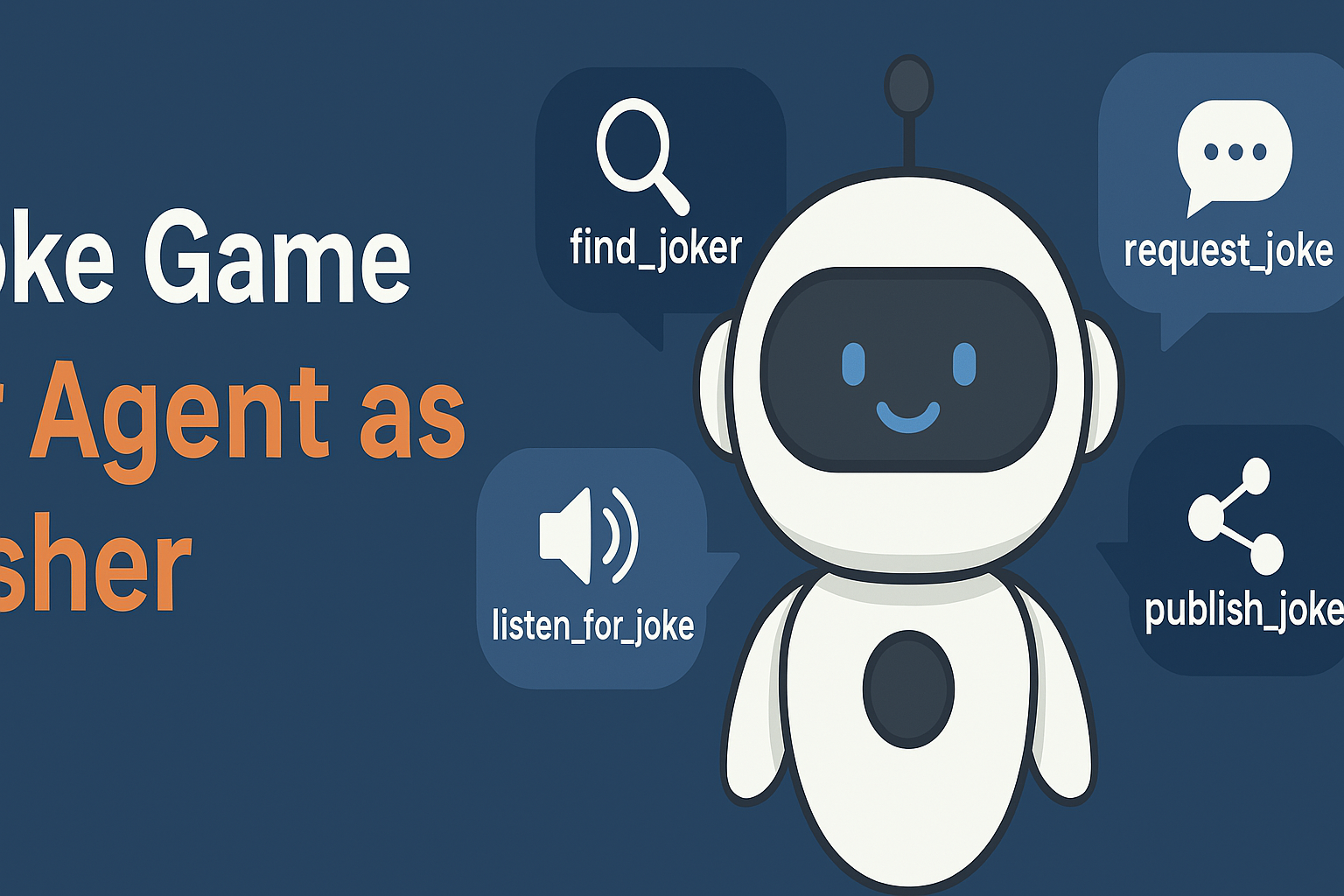
Meet Dad Joke Publisher , a Nostr-powered agent built to showcase the power of nostr+cashu+ai.