Propuesta Colaborativa
Una invitación a co-crear sobre el protocolo Nostr y el ecosistema Lightning. Buscamos personas conscientes, emprendedores y creadores listos para construir comunidad descentralizada, acción compartida y dinero sano.


Eine Sammlung von npubs, die auf Deutsch kommunizieren. Zusammengestellt für alle, die sich vernetzen, Ideen austauschen oder in der Sprache zusammenarbeiten möchten. Diese Liste erleichtert das Finden deutschsprachiger Teilnehmer*innen auf Nostr, egal ob du Diskussionen, Übersetzungen oder Community‑Projekte suchst. Durchstöberen, folgen und mit den npubs interagieren. Diese npubs halten die Unterhaltung auf Deutsch am Laufen. A collection of npubs who converse in German. Gathered for anyone looking to connect, share ideas, or collaborate in the language. This list makes it easy to discover German‑speaking participants across nostr, whether you’re seeking discussions, translations, or community projects. Feel free to browse, follow, and engage with the npubs who keep the conversation flowing in German.
Una invitación a co-crear sobre el protocolo Nostr y el ecosistema Lightning. Buscamos personas conscientes, emprendedores y creadores listos para construir comunidad descentralizada, acción compartida y dinero sano.
Es gibt Menschen, die etwas sehen. Nicht mit den Augen. Nicht durch Nachdenken. Etwas, das sich nicht erklären lässt – das sich nur zeigt. Und danach ist nichts mehr wie vorher.

Some work is finished before it is complete. This piece explores the difference between completing the work itself and seeing the results of that work—and why learning to be satisfied in that gap is essential.

When the pressure to prove something fades, the work does not stop—it becomes clearer and more grounded. This piece reflects on meaningful progress, including recent Continuum releases and foundational improvements, done without striving but not without purpose or responsibility.
Rest is not about stopping activity—it’s about ceasing from striving. This piece explores what it means to continue building, writing, and creating without the burden of pressure, while letting the weight of labor fall away.
Modern tools make it possible to build small sovereign applications extremely quickly, enabling a new model for software development.

Continuum is for people and organizations who need durable authorship, self-custodied identity, and a local-first publishing workflow. It is especially well suited for writers, journalists, researchers, human rights activists, ministries, and developers who want to create, preserve, and publish work without depending entirely on centralized platforms.

At first glance, Continuum may appear unnecessary to people who already write documents locally on their computers. After all, anyone can open Word, Markdown, or a text editor and save files in a folder. But Continuum is not merely a place to store documents. It is a local-first authorship and publishing system built around identity, verifiable authorship, durable archives, and intentional distribution. This article explains why the difference matters.
Zipcar, Uber, and Lyft promise convenience but leave us vulnerable to breakdowns and opaque rules. By imagining a decentralized alternative — built on peer-to-peer listings, portable reputation, and Bitcoin payments — we can see how transportation could become more resilient, transparent, and sovereign.
Wer je mit einem Wähler, egal welcher Couleur, über weniger Staat diskutiert hat, kennt die Frage. Sie kommt verlässlich, meist nach dem dritten Satz: „Aber wer baut dann die Straßen?“ Die Frage klingt vernichtend. Sie impliziert: ohne Staat kein kollektives Gut, ohne kollektives Gut kein Wegenetz, ohne Wegenetz keine Zivilisation. Checkmate. Nur ist die Frage falsch gestellt. Nicht weil Straßen keine Rolle spielen. Sondern weil sie unterstellt, was sie beweisen will: dass nur ein Monopol kollektive Güter bereitstellen kann.

This article was written by investigative journalist Jon Rappoport. He has had a credible insider source whose area of expertise is propaganda. He goes by the fake name of 'Ellis Medavoy'. This article was released in February 2003.
An exploration of how AI can serve as an amplifier for builders and writers without displacing human authority. This article argues for a sovereignty-first approach to AI, where ownership, authorship, and identity remain centered in the individual.

In Part 1, I described the architecture behind a decentralized publishing pipeline using Nostr, GitHub Actions, and GitHub Pages. In this follow-up, I walk through what it actually took to get that same pipeline working again in a new repository — including authentication issues, workflow permissions, and the small but critical details that make it all run automatically.

Last summer, I built a decentralized blog using Nostr, GitHub Actions, and GitHub Pages. I’m now taking that same idea and applying it directly to Continuum — turning tagged articles into a live, automatically updating site with zero manual publishing steps.
Als offen lesbische Frau, die ohnehin eine eher androgyne Erscheinung hatte, fragte sie sich: Wie ist es eigentlich, ein Mann zu sein? Nicht in der Theorie. Nicht als Gedankenexperiment beim Abendessen. Sondern wirklich. Jeden Tag. Achtzehn Monate lang.

Ein Traum über die Erneuerung des Wählerausweises wird zum Spiegel von Zugehörigkeit, Massensystemen und der stillen Freiheit, nicht dazuzugehören.

Die klassische Methode aus dem Advaita Vedanta: Man verneint alles, was man für sich selbst hält. Ich bin der Körper? — *Neti.* Ich bin die Gedanken? — *Neti.* Ich bin die Gefühle? — *Neti.* Ich bin der Beobachter? — *Neti.* Soweit, so bekannt.
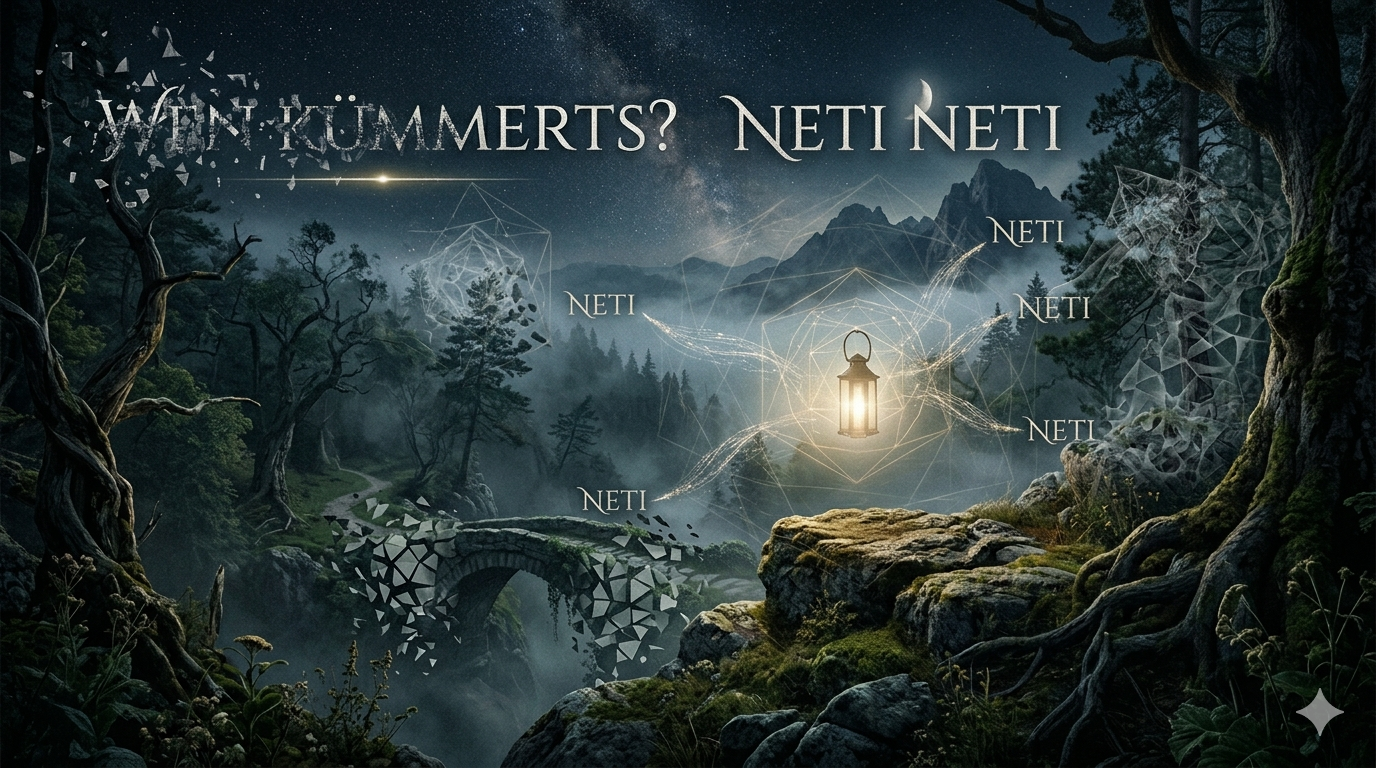
**Habt ihr euch schon mal im Spiegel angeschaut und euch gefragt: „Wer genau ist hier eigentlich der Beobachter?“**

Saifedean writes about value and the difference of physical and non-physical things.
