Deine ersten Schritte mit Bitcoin
Ein sanfter Einstieg in Bitcoin – mit Fokus auf Selbstverwahrung, Privatsphäre und gesundem Geld. Für alle, die richtig starten wollen.


Eine Sammlung von npubs, die auf Deutsch kommunizieren. Zusammengestellt für alle, die sich vernetzen, Ideen austauschen oder in der Sprache zusammenarbeiten möchten. Diese Liste erleichtert das Finden deutschsprachiger Teilnehmer*innen auf Nostr, egal ob du Diskussionen, Übersetzungen oder Community‑Projekte suchst. Durchstöberen, folgen und mit den npubs interagieren. Diese npubs halten die Unterhaltung auf Deutsch am Laufen. A collection of npubs who converse in German. Gathered for anyone looking to connect, share ideas, or collaborate in the language. This list makes it easy to discover German‑speaking participants across nostr, whether you’re seeking discussions, translations, or community projects. Feel free to browse, follow, and engage with the npubs who keep the conversation flowing in German.
Ein sanfter Einstieg in Bitcoin – mit Fokus auf Selbstverwahrung, Privatsphäre und gesundem Geld. Für alle, die richtig starten wollen.
Earth has not fallen. The trains run. The dashboards are green. Compliance feels reasonable. In this Chronicle, a mid-level systems analyst experiences an ordinary day inside a world that still functions — and begins to sense what has quietly departed it.
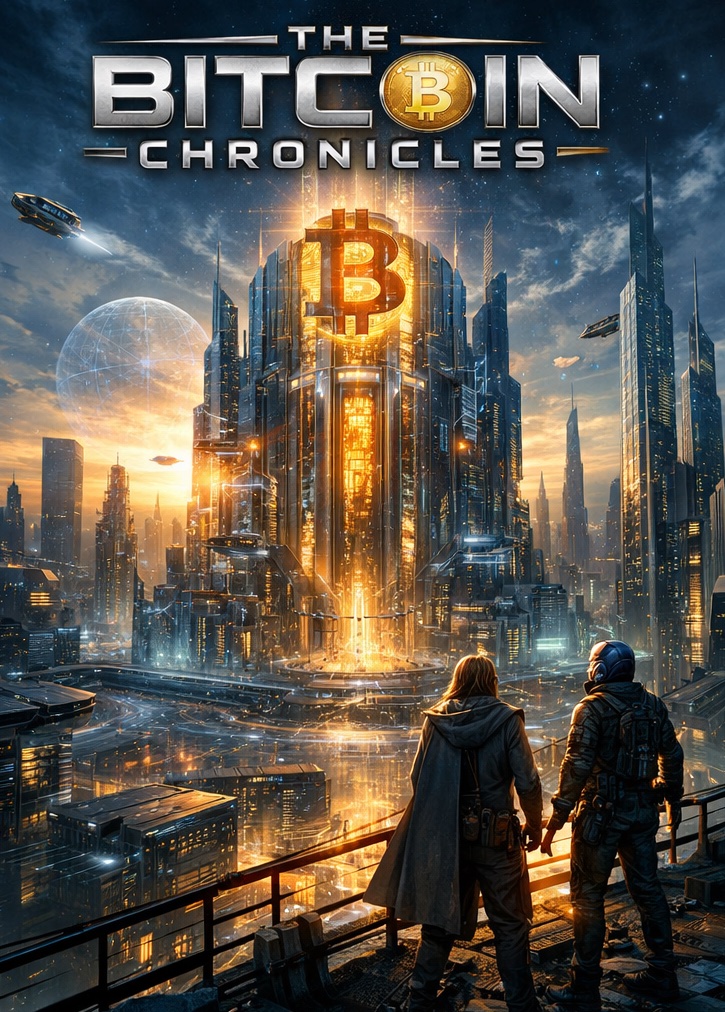
Not everyone leaves when sovereignty moves outward. Some stay — not because they believe, but because leaving is never an option. This Chronicle follows an Earthbound archivist tasked with preserving memory in a world that still functions but no longer leads.
After the long silence settles across the outer settlements, a small group of engineers, archivists, and navigators confront a truth no charter prepared them for: sovereignty does not feel triumphant. It feels quiet. This Chronicle explores the inner lives of those who crossed the point of no return and discovered that freedom often arrives without witnesses.
Most builders assume progress looks like steady growth, rising visibility, and increasing affirmation. In reality, the most durable work follows a very different curve — one marked by silence, loneliness, and long stretches of invisible effort. This essay maps the five phases almost every sovereign builder passes through, explains why the middle is so painful, and names the comparison trap that causes many to quit too early. If you’re building without applause and wondering whether something is wrong, this is a map — not a diagnosis.
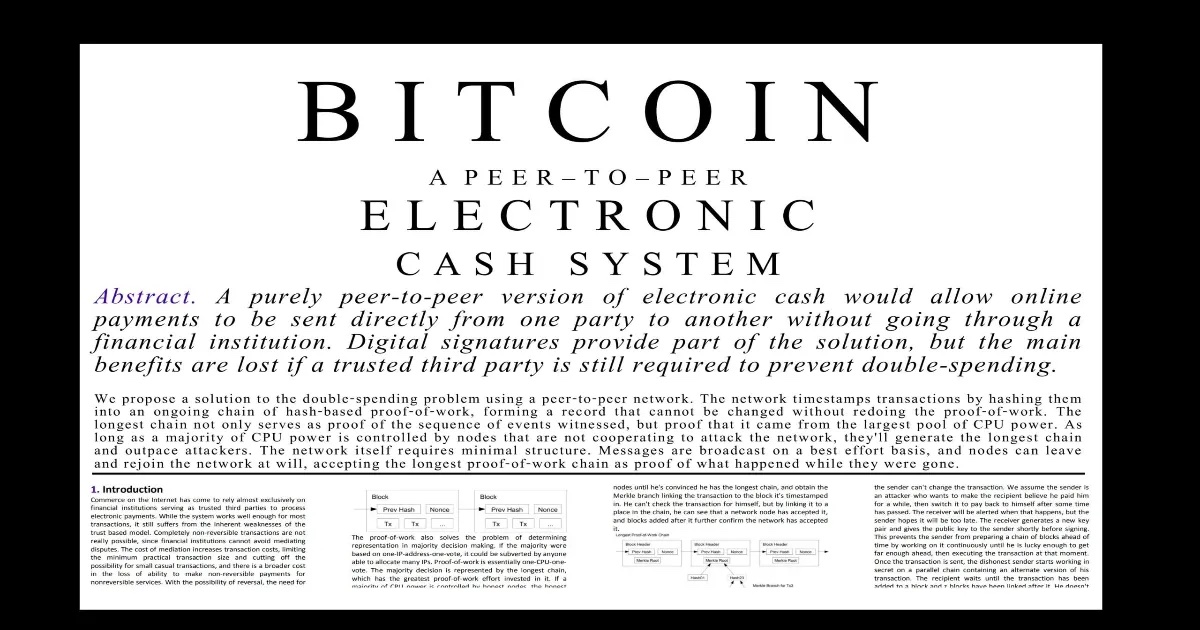
Heart Words #29 – Grund zur Hoffnung

Renewal isn’t resetting your life; it’s resuming with integrity. The danger is “amnesia renewal”—starting over in a burst of motivation and losing the compounding benefits of what you already built. This piece offers a framework for renewal that preserves continuity: archive what matters, close loops, set a single direction for the week, and let compounding do the heavy lifting.
Most apps fail in a subtle way: they perform the work but don’t communicate completion. That missing feedback creates anxiety and mistrust. This piece explores the “confidence layer”—small UI signals like “Refreshing…” → “Refresh Complete” that turn fragile workflows into trustworthy systems. It’s a philosophy of polish, but not vanity polish—stewardship polish.
Sunday is not “catch-up day.” It’s the day you close loops on purpose—spiritually, emotionally, and operationally—so Monday doesn’t start with drag. This piece is a practical theology of completion: why loose ends quietly tax your attention, why “almost done” is a hidden form of debt, and how a small set of Sunday rituals can restore momentum without turning rest into another performance.
You don’t need radical changes or new tools to feel more grounded in your creative work. A handful of small, almost boring habits can quietly shift the balance — making what you create feel calmer, more durable, and more personal.
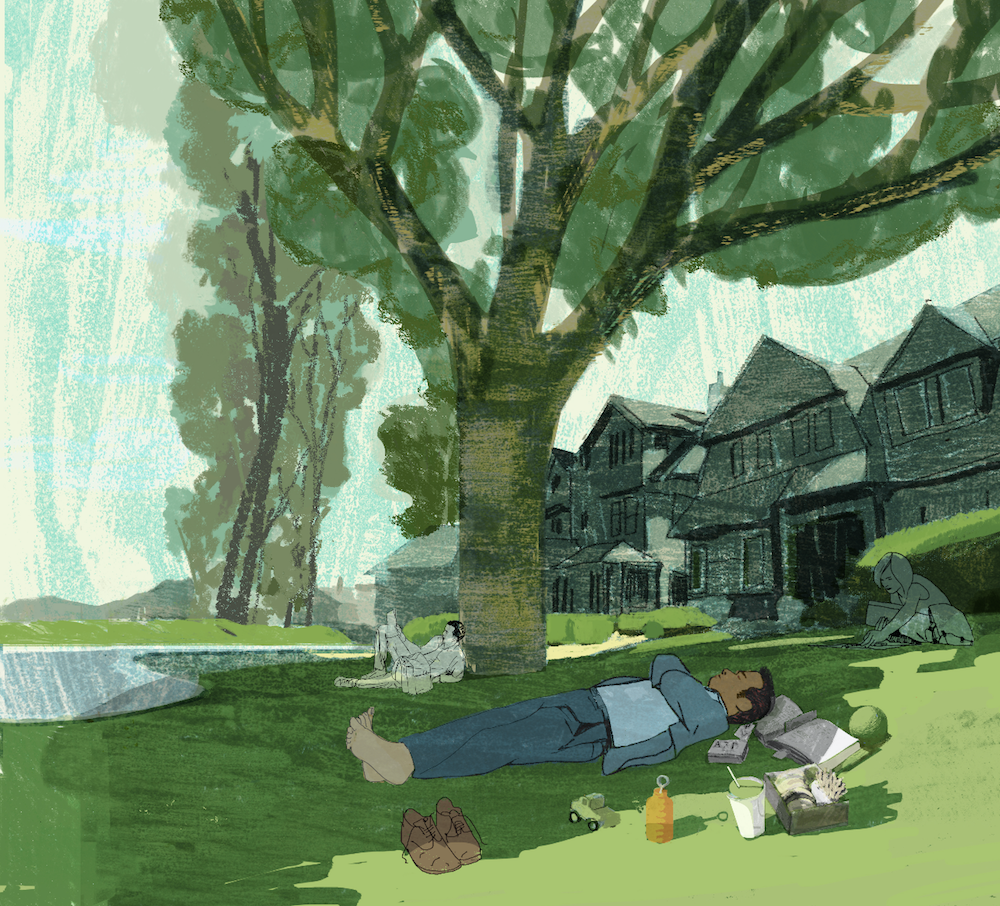
You don’t have to dramatically quit every major platform to build meaningful, durable work. It’s possible to use existing tools while quietly keeping what you create grounded, portable, and truly yours. This piece explores a gentler, more realistic path between total dependence and total exit.
Not everything needs to be measured, improved, or shipped. Some of the most important work happens when we stop adjusting the dials and allow ideas — and ourselves — to rest. This is a reflection on choosing slowness, limits, and unfinishedness, especially when the world keeps nudging us to do more.
Audiences fluctuate. Platforms decay. Timelines endure. This essay explains why a complete, verifiable personal archive is more valuable than any follower count—and why future-you is the most important reader you will ever have.

What happens when your entire publishing system can be erased—and rebuilt—from public memory alone? This essay explores why true durability is not about backups, platforms, or promises of permanence, but about regenerability. Rehydration changes the power dynamics of publishing, identity, and creative ownership in a way most people still don’t see.
Reach is treated as the ultimate success metric for writers and creators—but it is a fiat metric, not a sovereign one. This essay explains why optimizing for reach leads to fragility, burnout, and dependence, and why serious builders are better served by optimizing for continuity, recoverability, and daily output instead.
Sovereign publishing is the practice of creating, preserving, and distributing your work in a way that maintains ownership, identity, and continuity independent of platforms, algorithms, or business models you do not control. In an era dominated by rented attention and subscription-driven content churn, sovereign publishing offers a slower but far more durable path: the creation of intellectual artifacts that outlive platforms and remain legible across time.
The most powerful combination in tech right now. Here is why I’m betting on this stack and how they integrate. 👇 Full Article below.

Christians are often told they must choose between spiritual revival and systemic reform — between changed hearts or changed structures. History suggests this is a false choice. Revival without honest money stalls, and honest money without moral formation hardens. This essay argues that the work ahead requires holding both together, without confusing witness for virtue or systems for salvation.
Bitcoin does not redeem people or sanctify systems. It removes the ability to lie quietly. This essay explores the difference between morality and honesty, why dishonest money enables hidden injustice at scale, and why a system that enforces truth feels threatening to institutions — and individuals — accustomed to moral distance.
Christian revival has changed hearts and ended visible evils like slavery, but it has never fully confronted the monetary systems that quietly reproduce coercion through abstraction and debt. This essay is written for Christians who care about sovereignty and truth, arguing that revival and monetary honesty are not alternatives — and that history shows we have never seriously attempted them together.