Christopher Gillespie

dizziness@outerrimterritories.com

Lutheran Pastor (https://sjrl.org), Coffee roaster (https://gillespie.coffee), Media producer (https://gillespie.media), Podcaster (https://1517.org)

Friend, How Did You Come In?

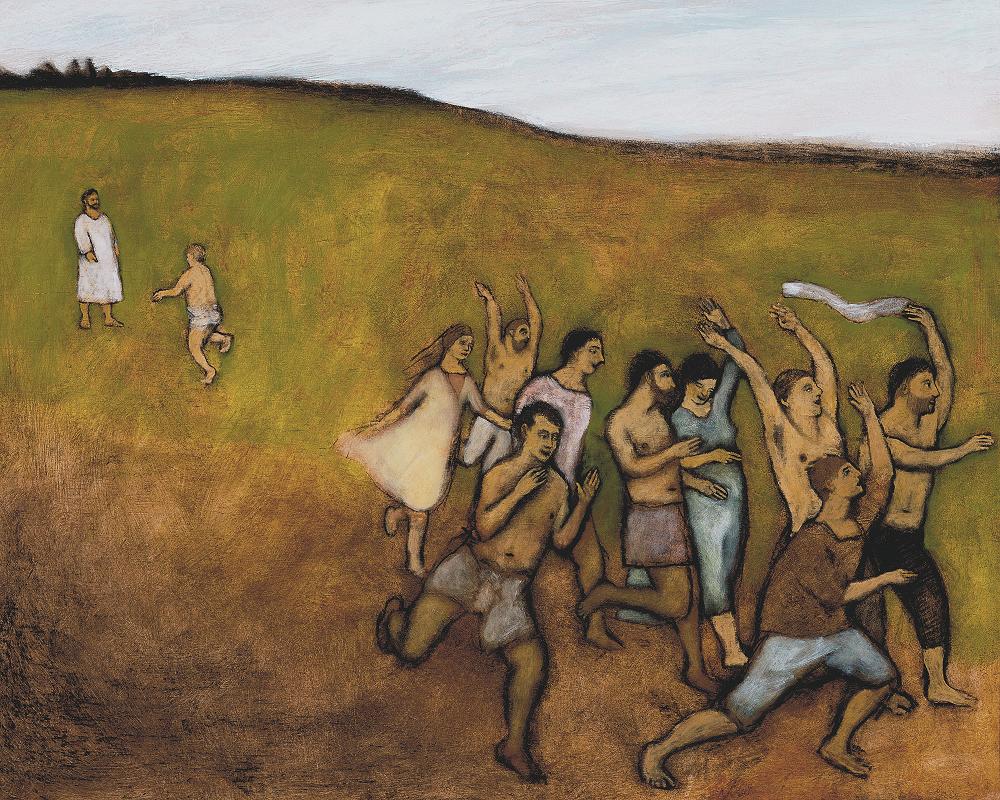
The man the King walks up to is not a scoffer who stayed home. He is the pious man in the pew, dressed in his own clothes, and the Law shuts his mouth. But there is another speechless man in Matthew's Gospel: the Son, who was bound, stripped, and cast into the dark in his place, so that the baptized wear Christ and have their mouths opened to sing.

Cover image for Friend, How Did You Come In?

Built from His Side

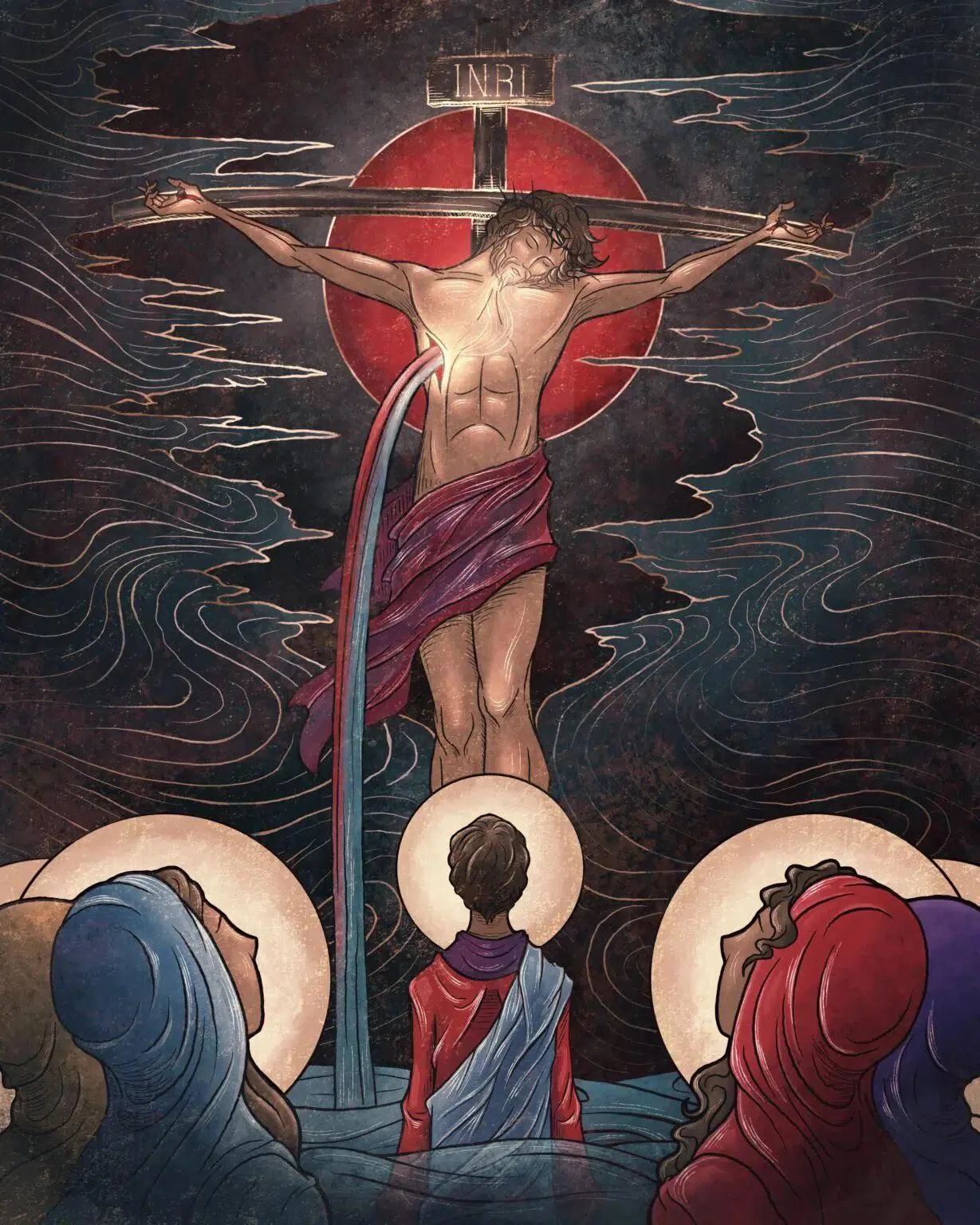
God built Eve from Adam's side while he slept. Christ slept in death on the cross, His side was pierced, and from the water and the blood God built His Bride, the Church. A marriage God builds does not rest on how well the couple builds. It rests on Christ, who gave Himself for them.

Cover image for Built from His Side

Jeremiah Chapter 24

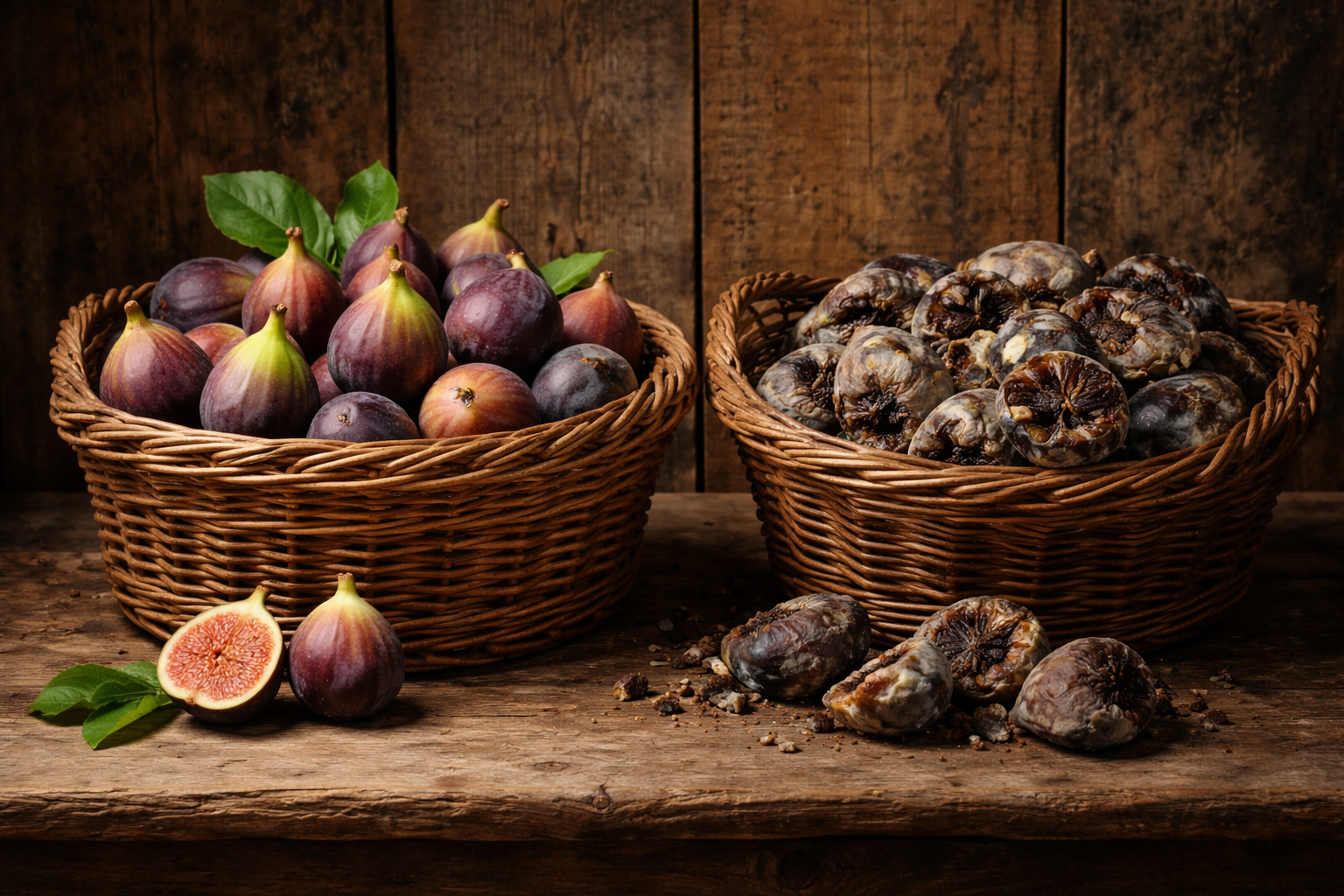
Two baskets of figs sit in front of the temple, one good and one so rotten it can't be eaten. The easy reading is that God keeps the good people and throws out the bad, so be a good fig. That is half right. It misses who lands in which basket, and who does the work. The good figs are the exiles Jerusalem wrote off, and every verb in verses 5 to 7 has God as its subject: "I will give them a heart to know Me."

Cover image for Jeremiah Chapter 24

A Pardon with Your Name on It

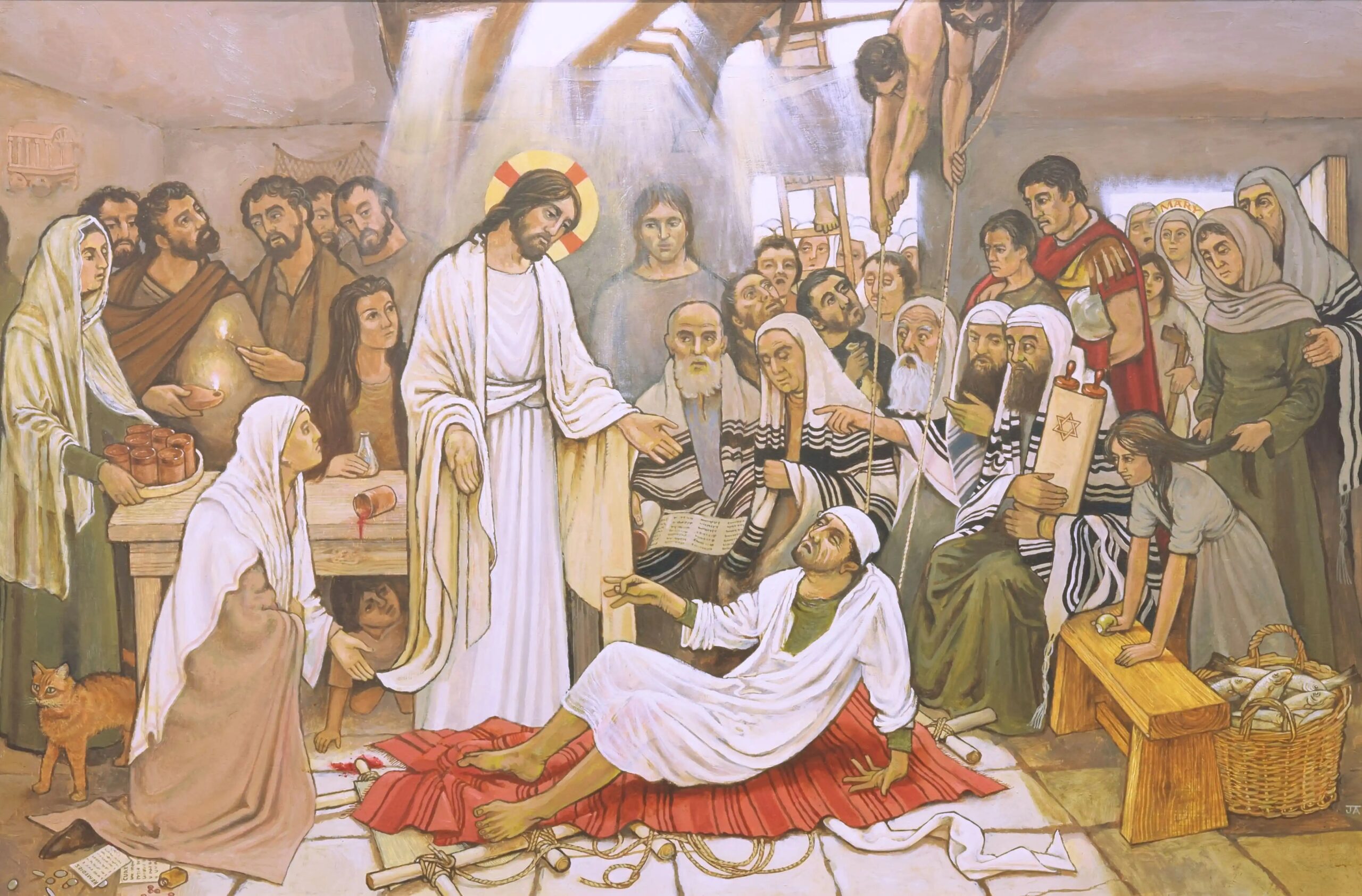
Jesus does not tell the paralytic that God forgives sinners. He says, “Your sins are forgiven you.” A general pardon lets you stay in the crowd; Christ puts the pardon in a man’s mouth, on earth, with your name written on it.

Cover image for A Pardon with Your Name on It

The Least of All the Seeds

The Lord picks a speck of a seed and a woman's hidden leaven, and we grade the kingdom by what we can count. But the seed is Christ Himself, small enough to step on, sown in a garden and hung on a tree. The one who grades, and comes up short, is the bird He has given a place to land.

Cover image for The Least of All the Seeds

Jeremiah Chapter 23

This week the chapter Advent made famous. God turns on the shepherds who scattered His sheep and promises to raise up for David a Righteous Branch, a King who will execute judgment and righteousness in the earth (Jer. 23:5), the very thing chapter 22 demanded and no king did. Then God names Him. Judah's last king was Zedekiah, whose name means "My righteousness is the LORD." He wore the name and lived nothing like it. God gives the true King that name turned around: THE LORD OUR RIGHTEOUSNESS (Jer. 23:6). The rest of the chapter goes after the prophets who preached peace out of their own dreams, and God answers them with His word: Is not My word like a fire? says the LORD, and like a hammer that breaks the rock in pieces? (Jer. 23:29). The hammer comes first. Then the name.

Cover image for Jeremiah Chapter 23

The Little Monk

There is a little monk in all of us who says real service to God is somewhere else, so we look down on the ordinary work God gave us and step over the neighbor at our elbow. Jesus answers the temple lawyer with a kitchen answer: love God, love your neighbor. David's Lord came down, kept both commandments in the carpenter's shop and on the cross for you, and now He sits. Under His wings the diaper, the combine, and the drive to your mother's appointment are done to God.

Cover image for The Little Monk

The Same Pilate

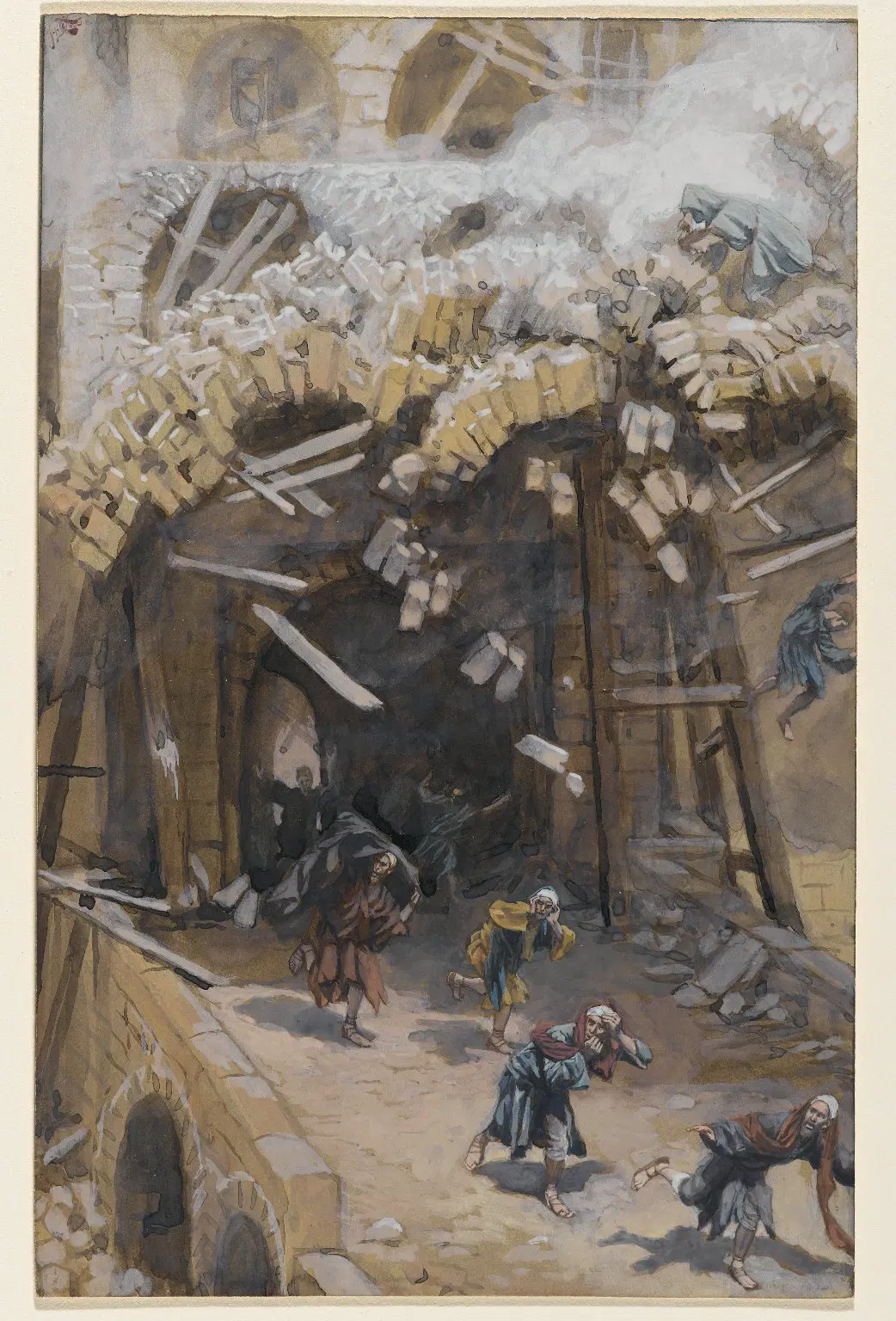
Bad news always gets to church first, and the people who bring it to Jesus have already sorted the dead. Jesus takes away both explanations, Pilate's sword and Siloam's tower, and says twice, "unless you repent." Then the same Pilate asks whether Jesus is a Galilean, and at the cross the blood is the sacrifice itself, poured now into the cup for you.

Cover image for The Same Pilate

The Thirst that Swells

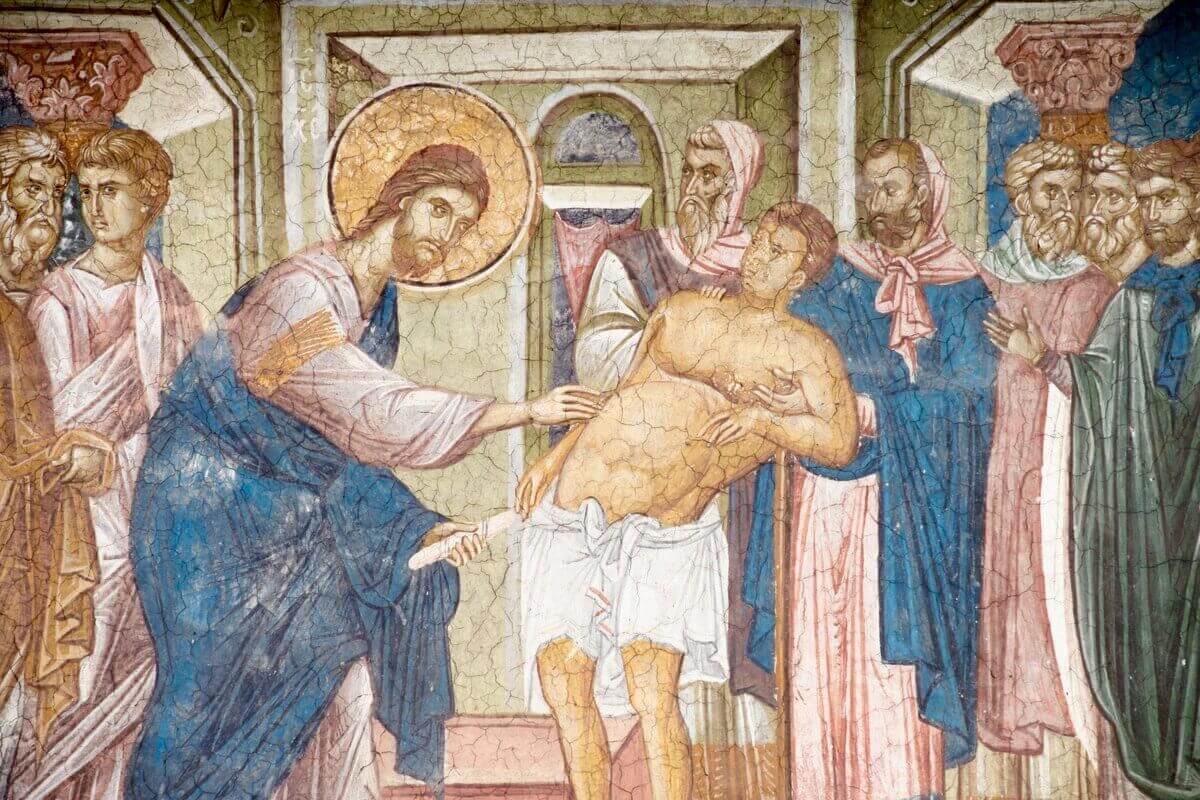
Luke gives you one table on one afternoon: a man with dropsy, drowning in water and still thirsty, and a room full of people swollen with the same thirst for the good seat. You cannot humble your way out of pride any more than he could drink his way out of dropsy. But the Lord who heals took hold of the sick man, took the sickness into Himself, and carried it to the cross, where He cried, “I thirst.” The Host gives the seats by mercy, and the water He gives fills you without swelling you.

Cover image for The Thirst that Swells

When and As He Willed

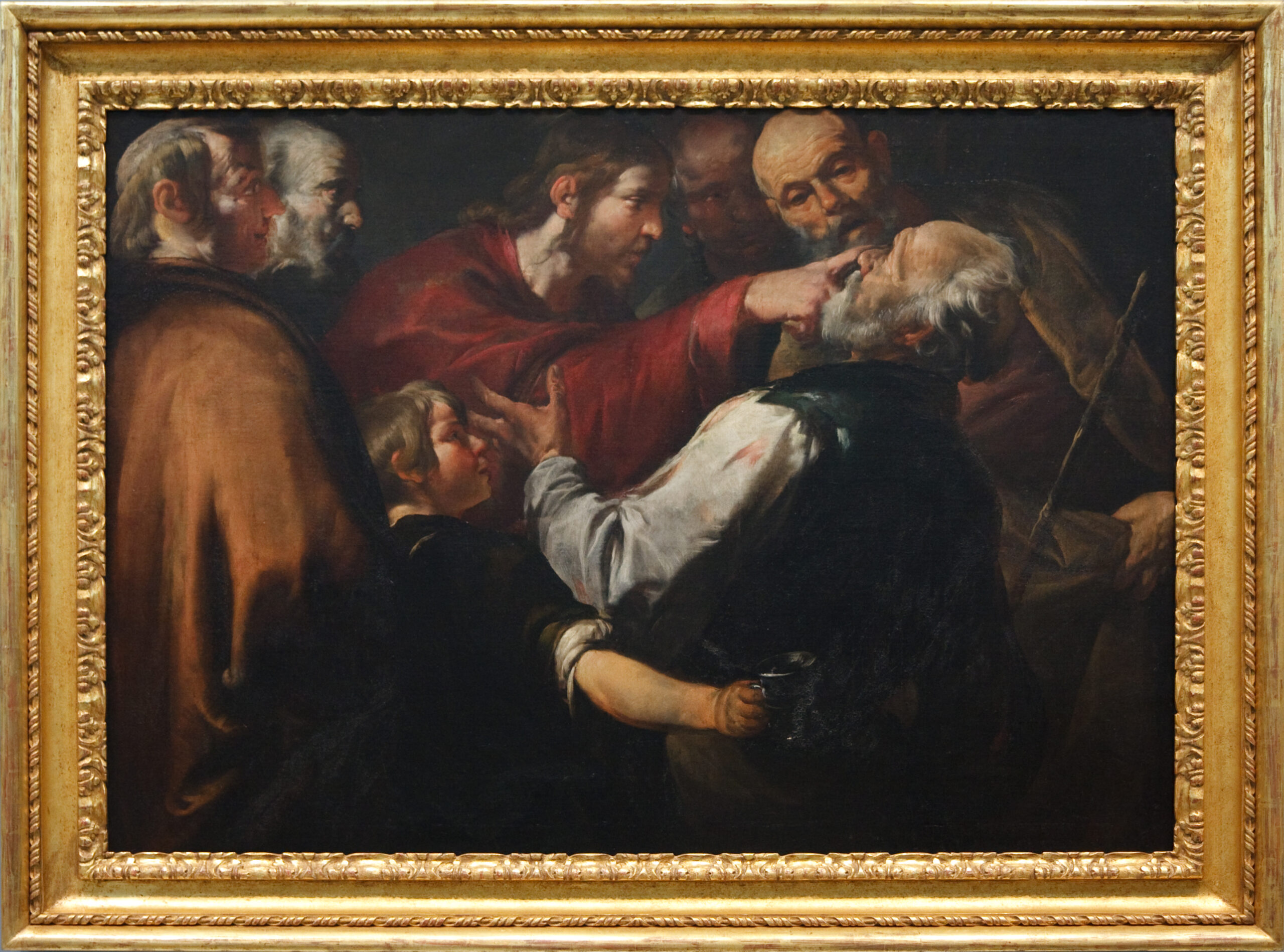
Why did Jesus heal the blind man at Bethsaida with two touches? Not because faith comes in stages, and not because He failed the first time. He showed His majesty when and as He willed, and the spit He put on blind eyes is the spit He took on His own face at the cross. The same hands keep touching you at font and rail, until your body rises and sees everyone clearly.

Cover image for When and As He Willed

Asking the Son for His Papers

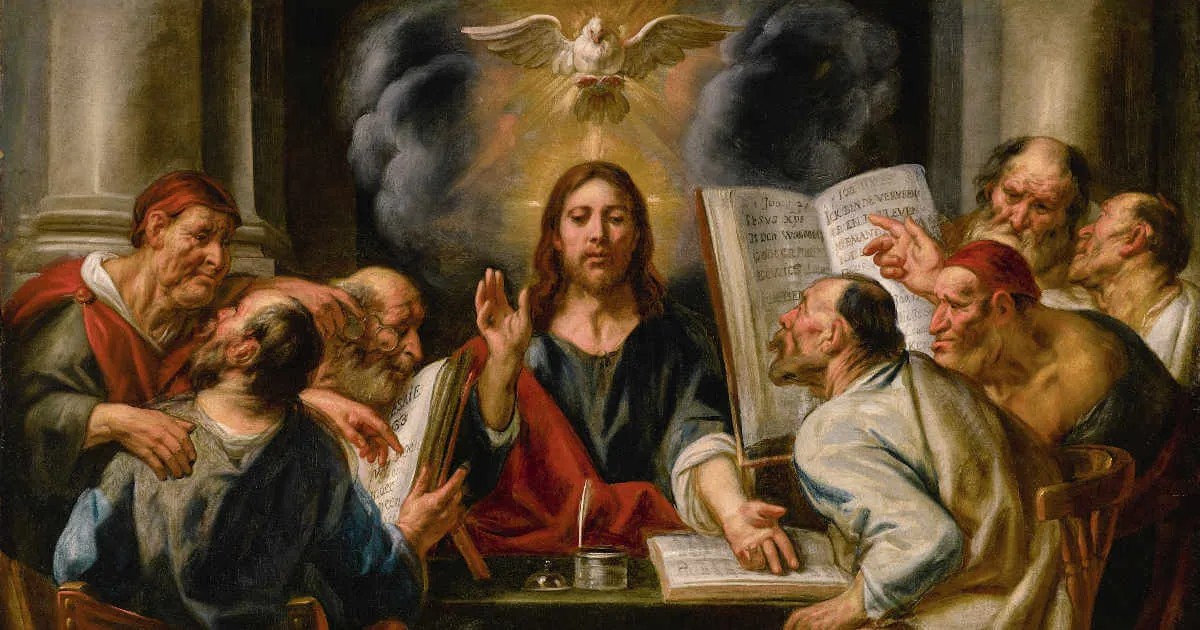
The Sanhedrin's question — by what authority? — is not illegitimate; checking a teacher's call is exactly their office, and our Confessions call that mercy, not bureaucracy. The tragedy is structural: servants in the house have stopped the Son at the door of His own house and demanded His papers. He never produces papers — He produces the house, answering not with a credential but a crucifixion, and naming us the very masonry He set at the font.

Cover image for Asking the Son for His Papers

A Handful of Flour

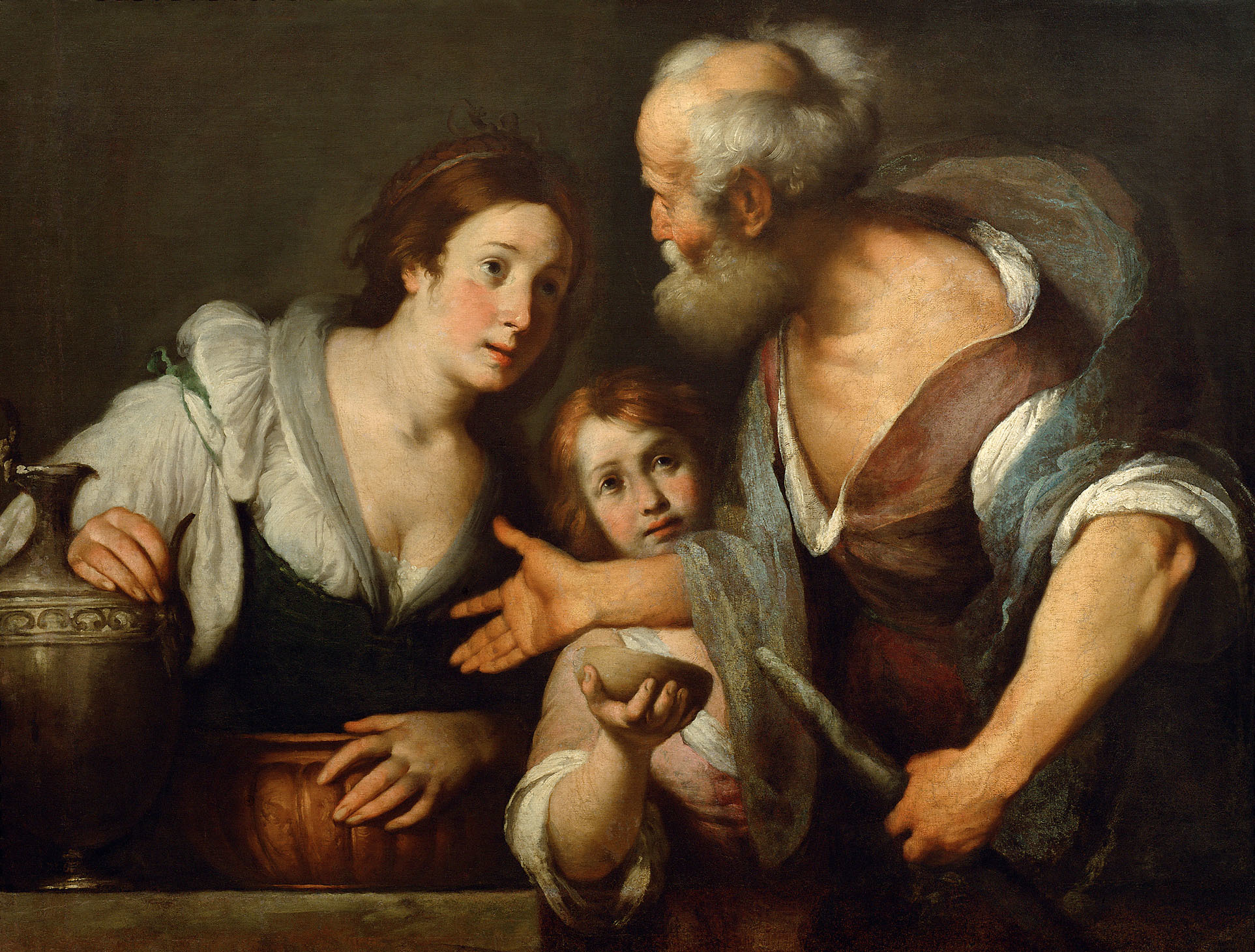
A widow at the gate of Zarephath has a handful of flour, a little oil, two sticks, one son, and a plan to eat it and die. But before she ever picked up a stick, the LORD had already said, "I have commanded a widow there to provide for you." The cake goes to the prophet first because the promise is in the prophet's mouth, and the promise is the one thing in the story that never runs out. Christ came hungry to your gate and went out with wood on His back to make the meal where He died and you get to eat.

Cover image for A Handful of Flour

He Came to Be Your Estate

A man interrupts the sermon to ask about money, and Christ refuses the case: “Who made Me a judge or an arbitrator over you?” He gives a farmer instead — the barns, the succession plan, and then the religious upgrades, the pledge card and the estate gift. Luther’s verdict on all of it is not greed but idolatry, the most common idol on earth. But the appointed reading does not stop at “Fool.” It runs on to the ravens: the one creature in the chapter with no storehouse and no barn is the one God feeds. He will not divide your estate. He came to be your estate.

Cover image for He Came to Be Your Estate

Two Sermons Were Preached That Day

All ten lepers believed Jesus, and all ten were cleansed by nothing but His word on the road. Then the priests preached them a second sermon — only God cleanses leprosy, your obedience did this, don't you dare give the glory to a man from Nazareth — and nine believed that preacher instead, praising God with their tongues while blaspheming Him in Christ. They had a Bible verse, and they thought they did well. "Your faith has saved you" is Christ's ruling handed down against theirs: not the going, not the offering, but faith alone, because Jesus alone was already cleansing before they had walked ten steps.

Cover image for Two Sermons Were Preached That Day

Jeremiah Chapter 20

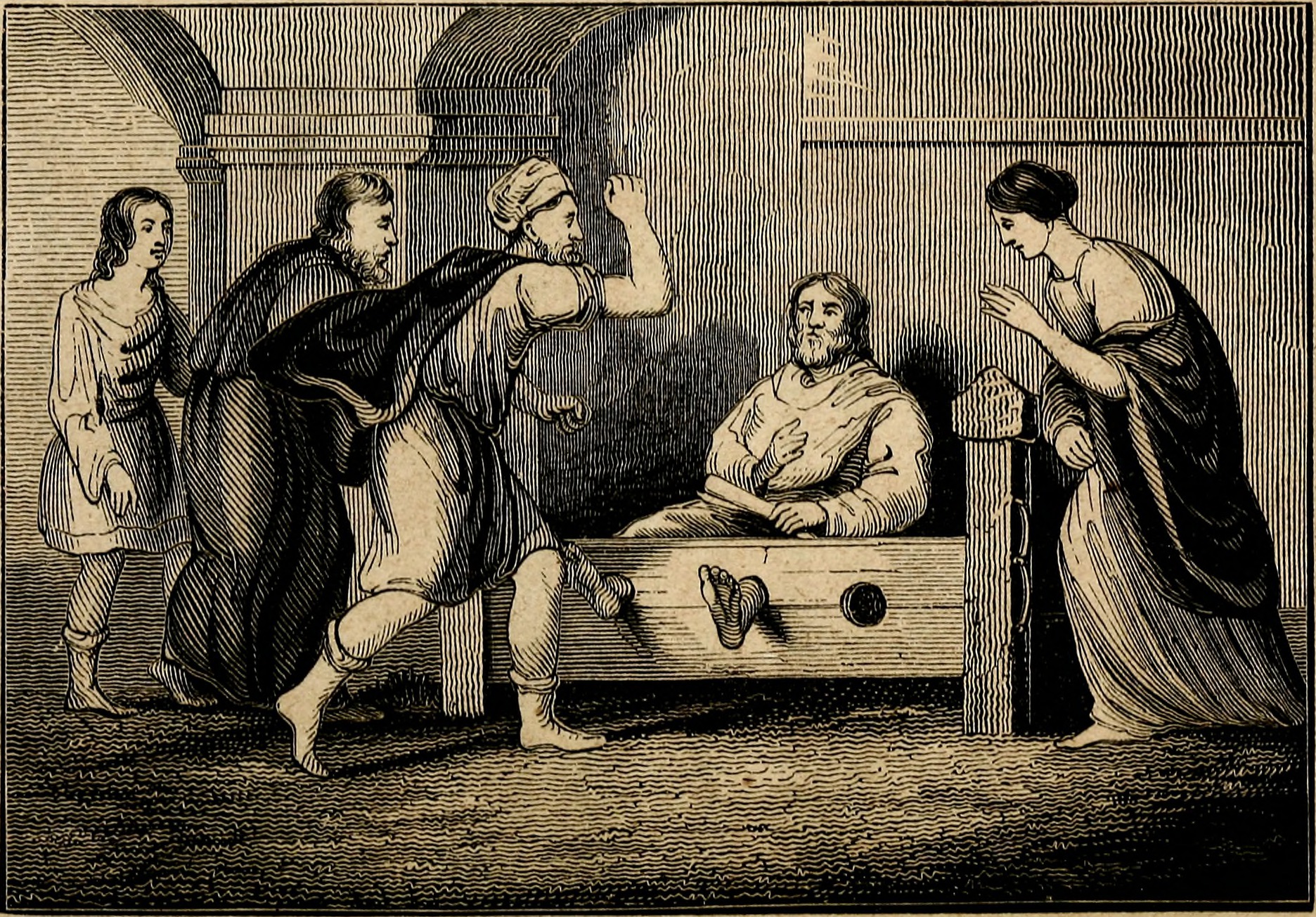
Last week Jeremiah smashed a jar in the garbage valley. This week we find out what it cost him: Pashhur, the chief officer of the temple police, beats him and locks him in the stocks overnight, and Jeremiah opens his mouth and says the worst thing anybody says to God in the Old Testament — O LORD, You induced me, and I was persuaded (Jer. 20:7). Then watch one word walk through the next five verses: God prevailed over him, his friends expect to prevail against him, and they will not — because nineteen chapters back the promise was already standing, they shall not prevail against you (Jer. 1:19). His enemies cannot win against him precisely because God already did.

Cover image for Jeremiah Chapter 20

Strive to Enter but Only through Christ

Jesus commands you to agonize your way through the narrow door, and in the same breath says the many who try will not be strong enough. So the striving He commands cannot be strength. Luke uses that agony word exactly twice — once here, where Christ commands it, and once in a garden, where Christ does it. He did the agonizing, and He heard “Depart from Me” at the shut door, so that the sentence over you is that He knows where you are from: the font.

Cover image for Strive to Enter but Only through Christ

He Had Compassion On You

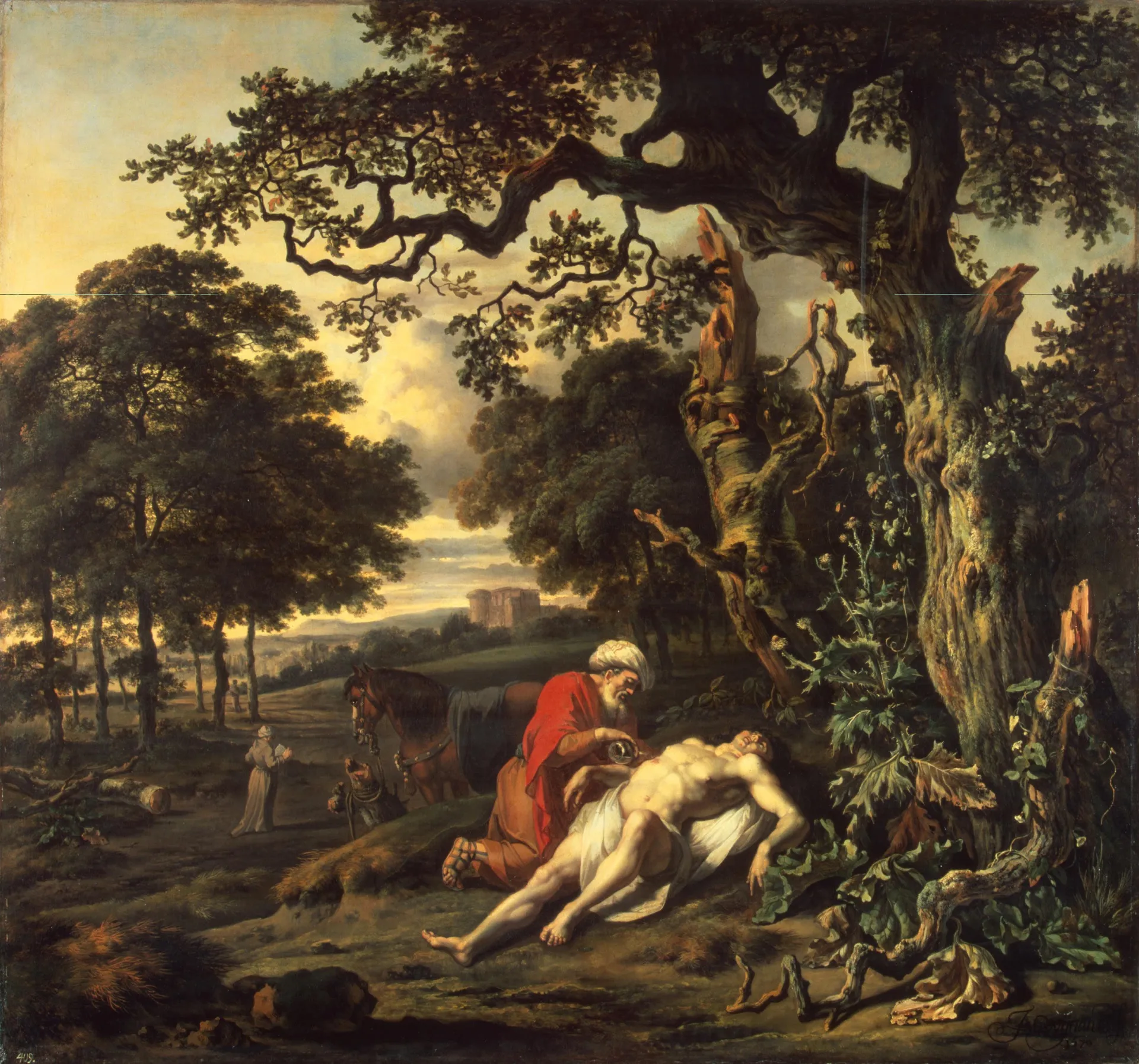
The lawyer answers rightly — love the Lord with all your heart, soul, strength, and mind, and your neighbor as yourself — and then negotiates the second table: Who is my neighbor? Jesus tells of a man stripped, beaten, and left half dead, seen and passed by priest and Levite, and found by a Samaritan whose guts turn with compassion, who pours oil and wine, carries, and leaves a blank check with the innkeeper: whatever more you spend, I will repay when I come again. You are the man in the ditch, and He had compassion — He came where you are, bound you in oil and wine, brought you to the inn, and paid it all.

Cover image for He Had Compassion On You

Jeremiah Chapter 19

Last week the Lord sent Jeremiah to the potter's house to watch wet clay wadded up and made again. This week He sends him to buy a finished flask — fired, narrow-necked, the kind that cannot be mended — and to carry it through the Potsherd Gate to the Valley of the Son of Hinnom, where Judah burned its sons to Baal, a thing God says never came into His mind. Before the elders and the priests he smashes it on the ground, and the word with the shards is that it "cannot be made whole again" — the Hebrew is healed (Jer. 19:11).

Cover image for Jeremiah Chapter 19

Capernaum Needed to Hear ‘For You’

Jesus pronounces woe on Chorazin, Bethsaida, and Capernaum — and says it will be more tolerable for Sodom on the day of judgment. Capernaum was His own town, the place He moved to and lived in; nearness to Christ is exactly what condemned it. What makes that same nearness a mercy at the altar rail is not proximity but the words attached to the bread and the cup: given and shed for you, for the forgiveness of sins.

Cover image for Capernaum Needed to Hear ‘For You’

The Sigh of God

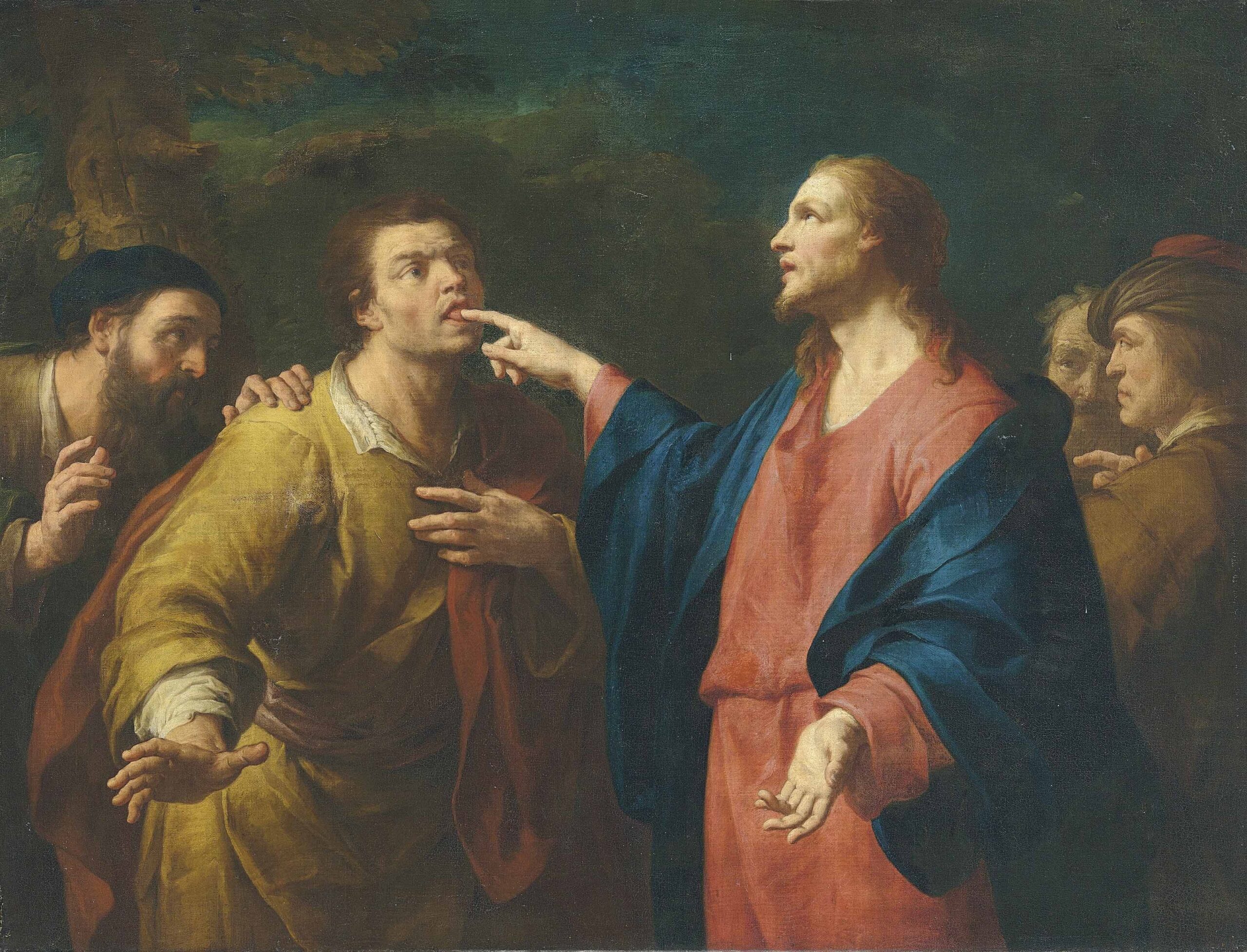
Of everything Jesus does for the deaf man — the fingers, the spit, the word of power — St. Mark writes down the sigh. A sigh is the sound the curse makes coming out of a human being, and ours do nothing: we can't sigh a tumor out of a body, or our dead back to life. Jesus takes the whole weight of it into His own chest and breathes out one word. It cost Him heaven's silence on the cross to say it.

Cover image for The Sigh of God