Christopher Gillespie

dizziness@outerrimterritories.com

Lutheran Pastor (https://sjrl.org), Coffee roaster (https://gillespie.coffee), Media producer (https://gillespie.media), Podcaster (https://1517.org)

Jeremiah Chapter 18

God sends Jeremiah to a shop near the clay pits — a wheel, a kiln, and a heap out back of the pieces that didn't come out right. The Hebrew word for that tradesman is yotzer, the one who forms. It is the same word God uses in verse 11 for what He is making now: a disaster. The Potter is still at the wheel, and the vessel is not fired yet — which is why He says, "Return now every one from his evil way" (Jer. 18:11).
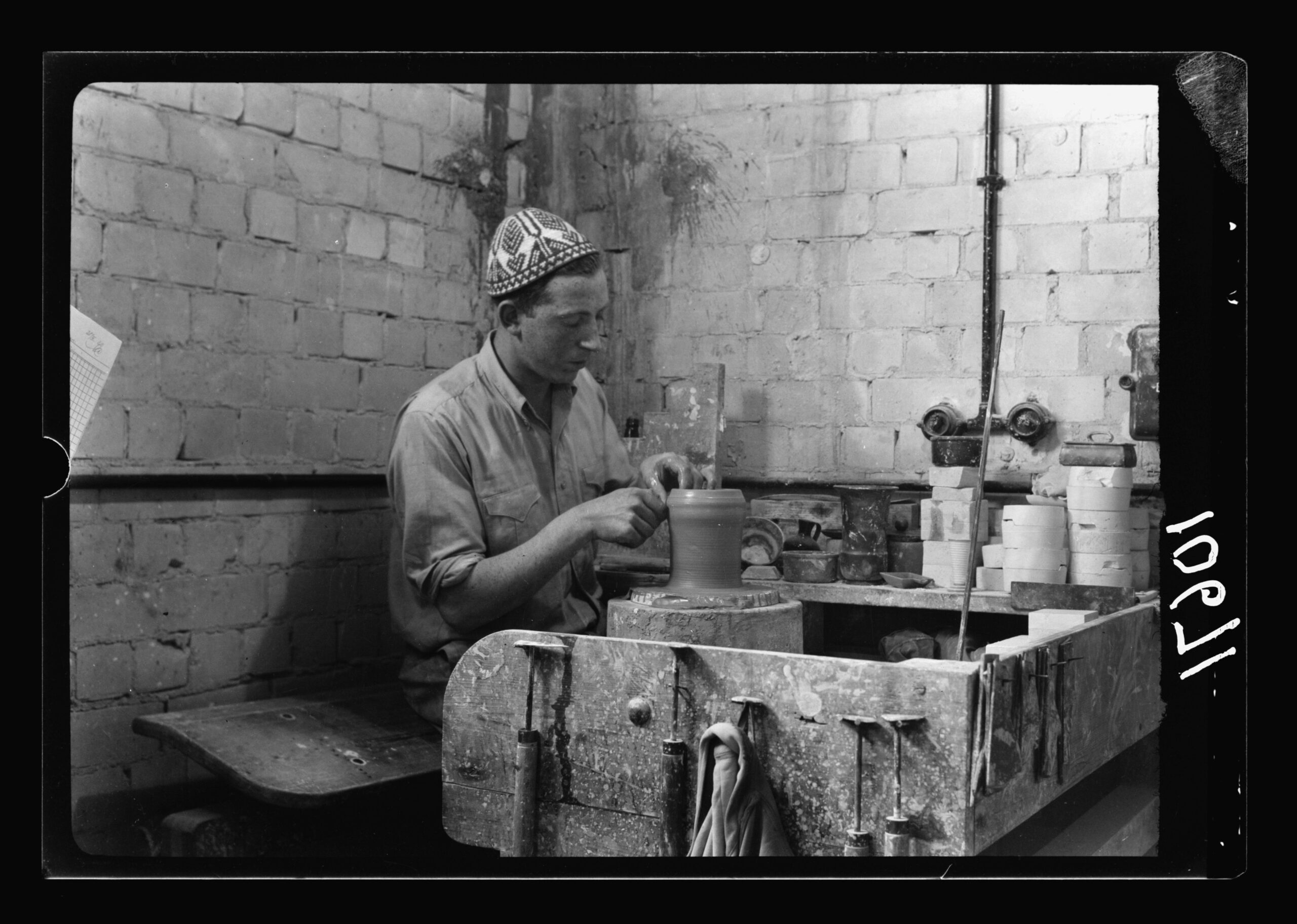
Cover image for Jeremiah Chapter 18

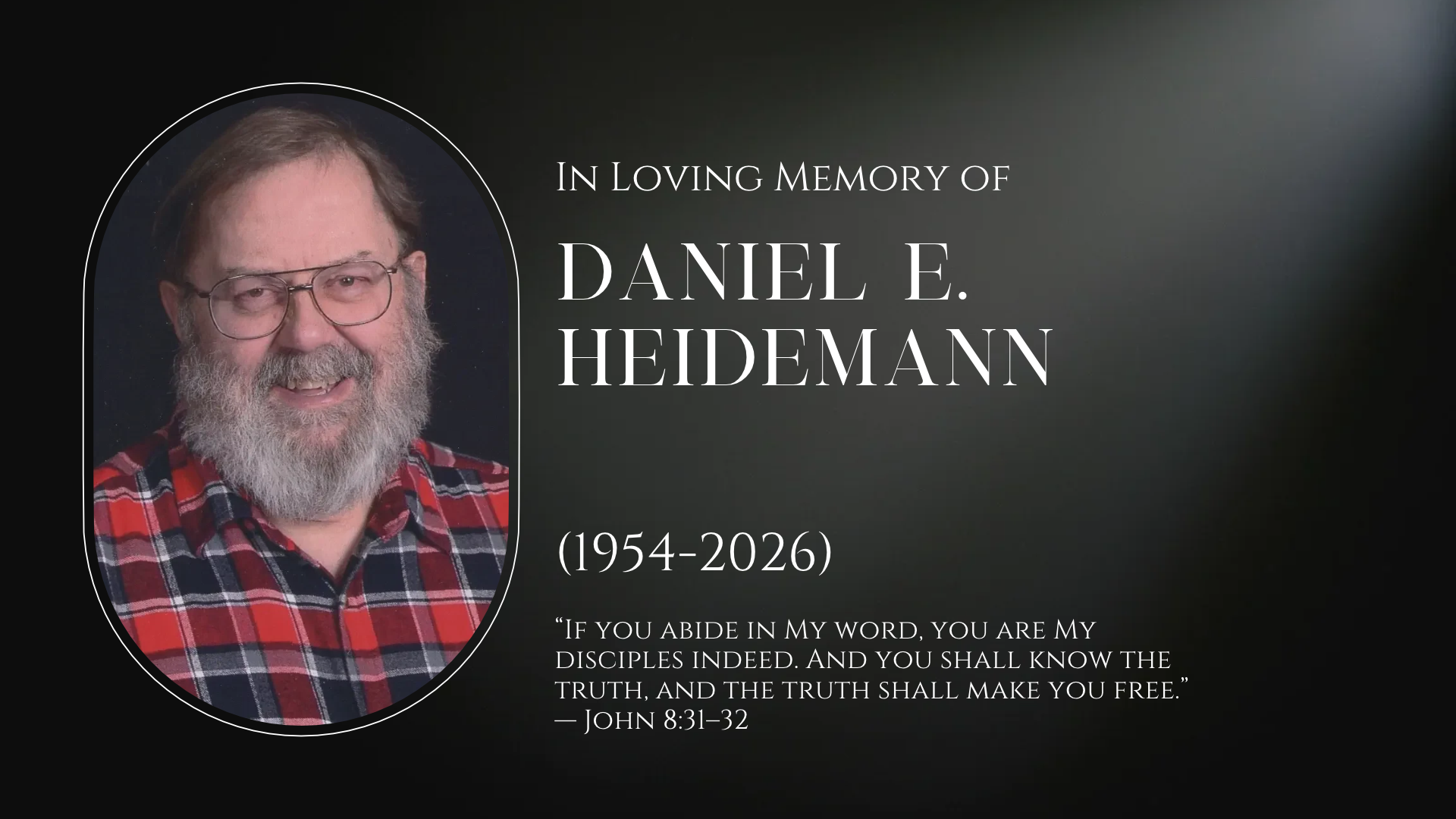
Dan is a Son and He is Home

A fourteen-year-old stood at this altar fifty-eight years ago and was handed a verse to carry home: “If you abide in My word.” Fifty-eight years later, you watched that verse get tested — and learned it was never Dan’s grip on Christ that held him, but Christ’s grip on Dan, sealed in his Baptism as a one-month-old. A slave doesn’t get to stay in the house forever. A son does. Dan is a son. Dan is home.

Cover image for Dan is a Son and He is Home

Where the Eagles Gather

The Pharisees want a date. Jesus won't give one — He takes the question apart and rules out both places we look for the kingdom of God: out there in the headlines, and inside your own chest. So the disciples finally stop asking when and ask the right question: "Where, Lord?" And the answer is wherever the Body is — on this altar, in a piece of bread you couldn't tell from any other.

Cover image for Where the Eagles Gather

Jeremiah Chapters 13–15

God made His people to cling to Him the way a sash clings to a man's waist (Jer. 13:11). A sash that stops clinging rots in a hole by the river and is good for nothing. Then the prophet who preached that ends up praying his people's own words back to God — they say they are called by Your name, and so does he; they say there is no healing for us, and he says my wound is incurable (Jer. 14:9, 19; 15:16, 18) — and he accuses God of being a stream that runs dry. God doesn't defend Himself. He answers with the very thing Jeremiah has been preaching: "If you return, then I will bring you back" (Jer. 15:19). Our Confessions file that line under the Gospel.

Cover image for Jeremiah Chapters 13–15

The Tears of Your Savior Settle It

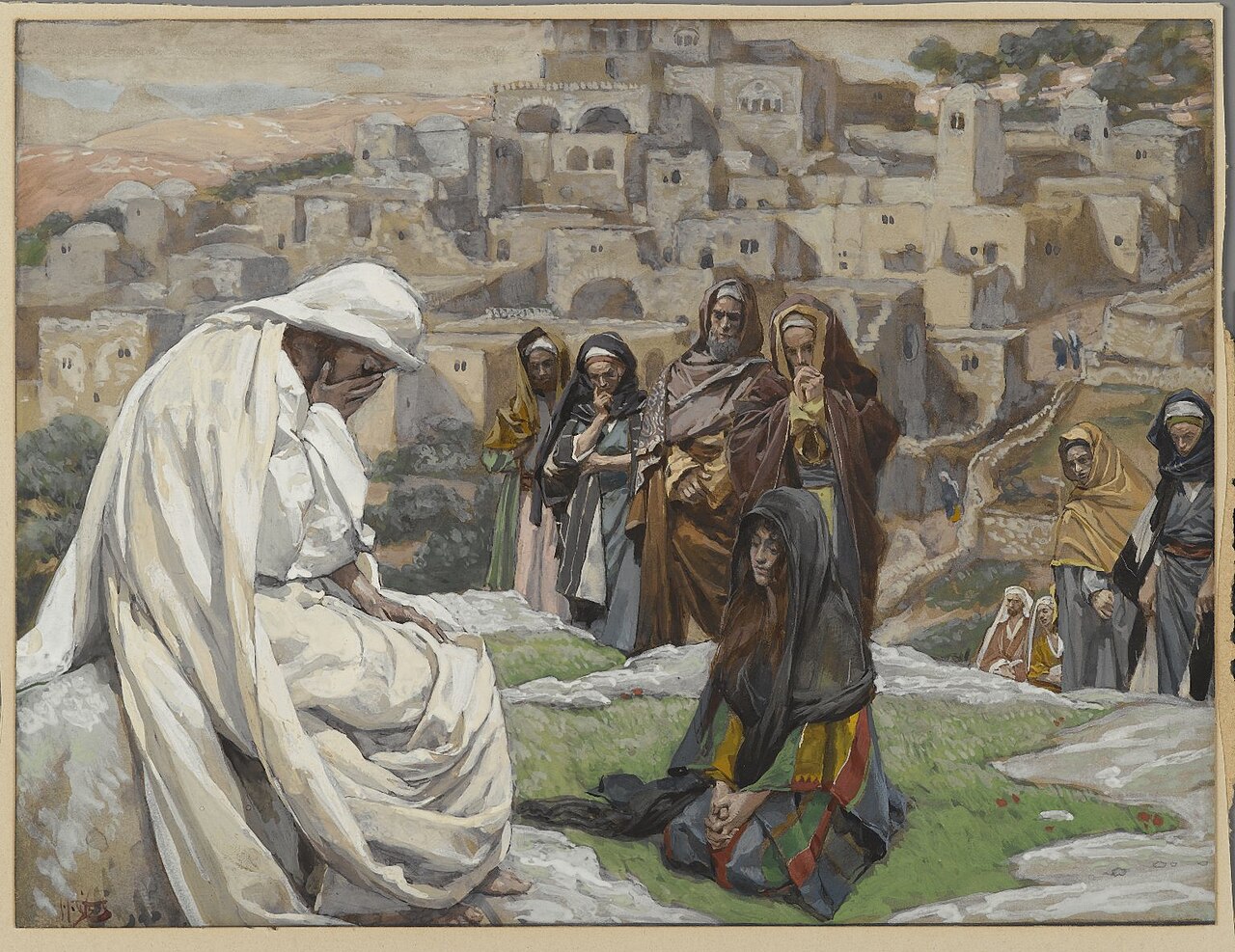
Jesus cries twice in the Gospels — once at a grave, and once outside a church. The grave we understand. The other one is worse, and it is the only thing in that whole city worth crying about. You can read God's oath that He has no pleasure in the death of the wicked and still lie awake wondering whether He meant it about you — but the tears of your Savior settle it.

Cover image for The Tears of Your Savior Settle It

Without Leaving the Others Undone

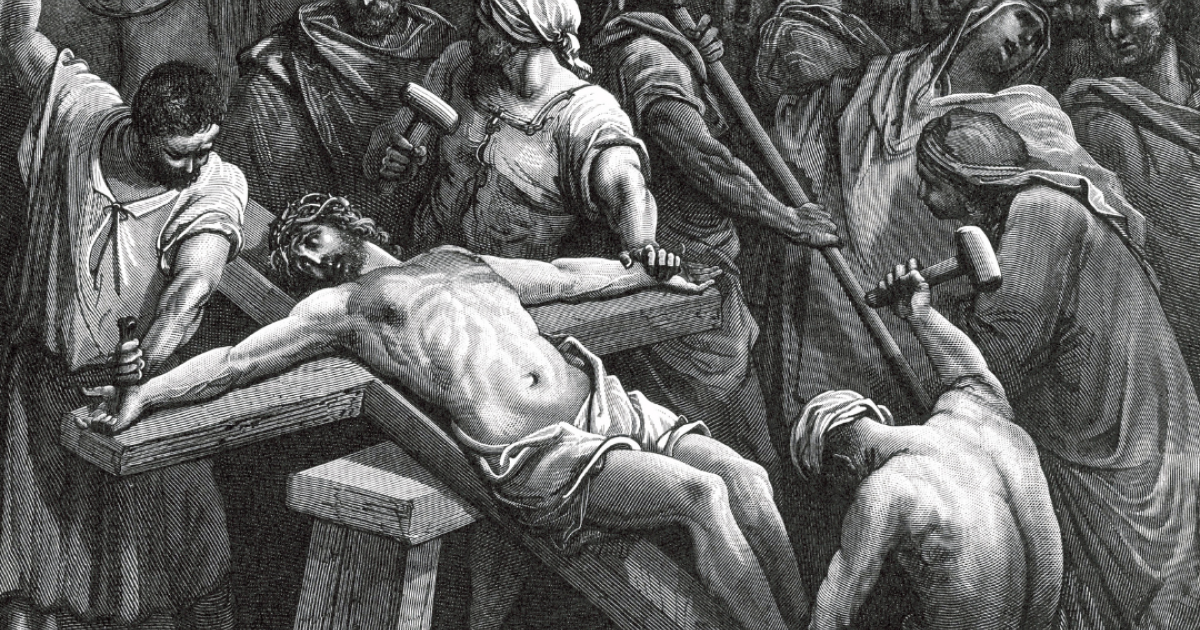
Jesus comes to dinner and will not wash His hands. The mint was never commanded — grain, wine, flock, that is what God said to tithe — but a tenth of the mint costs nothing, and being seen to give it is worth a great deal, so justice gets stepped over on the way to the herb garden. Christ does not cancel the mint; He keeps the weightier matters and the little ones both, and leaves not one undone. He keeps none of it for Himself: the hands He would not wash at that table are the hands they nailed down.

Cover image for Without Leaving the Others Undone

Jeremiah Chapters 11–12

This week the preacher becomes the sufferer. Jeremiah announces the covenant curse (Jer. 11:3) and then learns that the men of his own hometown have marked him for death (Jer. 11:21). Three handings-over run through these chapters: Judah handed over to the curse she chose, Jeremiah handed over like a docile lamb brought to the slaughter (Jer. 11:19), and God's own dearly beloved of My soul handed over into enemy hands (Jer. 12:7). When Jeremiah asks the oldest question, why do the wicked prosper, the answer isn't information. It's a warning that the running gets harder, from the God who has run it Himself.

Cover image for Jeremiah Chapters 11–12

He Was Faithful the Whole Time You Were Not

Jesus tells the parable of the unjust steward immediately after the lost sheep, the lost coin, and the lost son. Johann Gerhard saw why: Christ knows how easily we misuse that teaching for carnal security, taking the sweetest thing God ever said and turning it into a permission slip. Paul answers that man with a desert full of graves. Israel was baptized into Moses, ate the same spiritual food, drank from the Rock that was Christ, and two of them reached the Promised Land. The warning lands on the man who thinks he stands. So does the promise: God is faithful, the way of escape has an address, and the door behind you was never bolted.

Cover image for He Was Faithful the Whole Time You Were Not

Holiness Runs Down from God and Never Back Up

The men haggling in the temple courtyard knew which oaths could be collected on. Swear by the gold and you're bound; swear by the temple and you can walk away. Jesus calls that blindness: holiness runs down from God to the thing and never back up, and the temple is holy only for Him who dwells in it. We do the same arithmetic with our years and our giving, wanting a righteousness we can audit. But the altar was holy before you got here, and the gift on it is Christ's own body and blood.

Cover image for Holiness Runs Down from God and Never Back Up

You Were Carried Through the Door Before You Could Walk

Two cries stand side by side in this Sunday's readings: "Lord, Lord" and "Abba, Father." The first belongs to an applicant outside the office door with his accomplishments in a folder; the second to a child who never wondered whether he was allowed in the house. Jesus doesn't dispute the applicants' resume. He disputes that it ever mattered. What every false prophet wants is to turn sons back into applicants.

Cover image for You Were Carried Through the Door Before You Could Walk

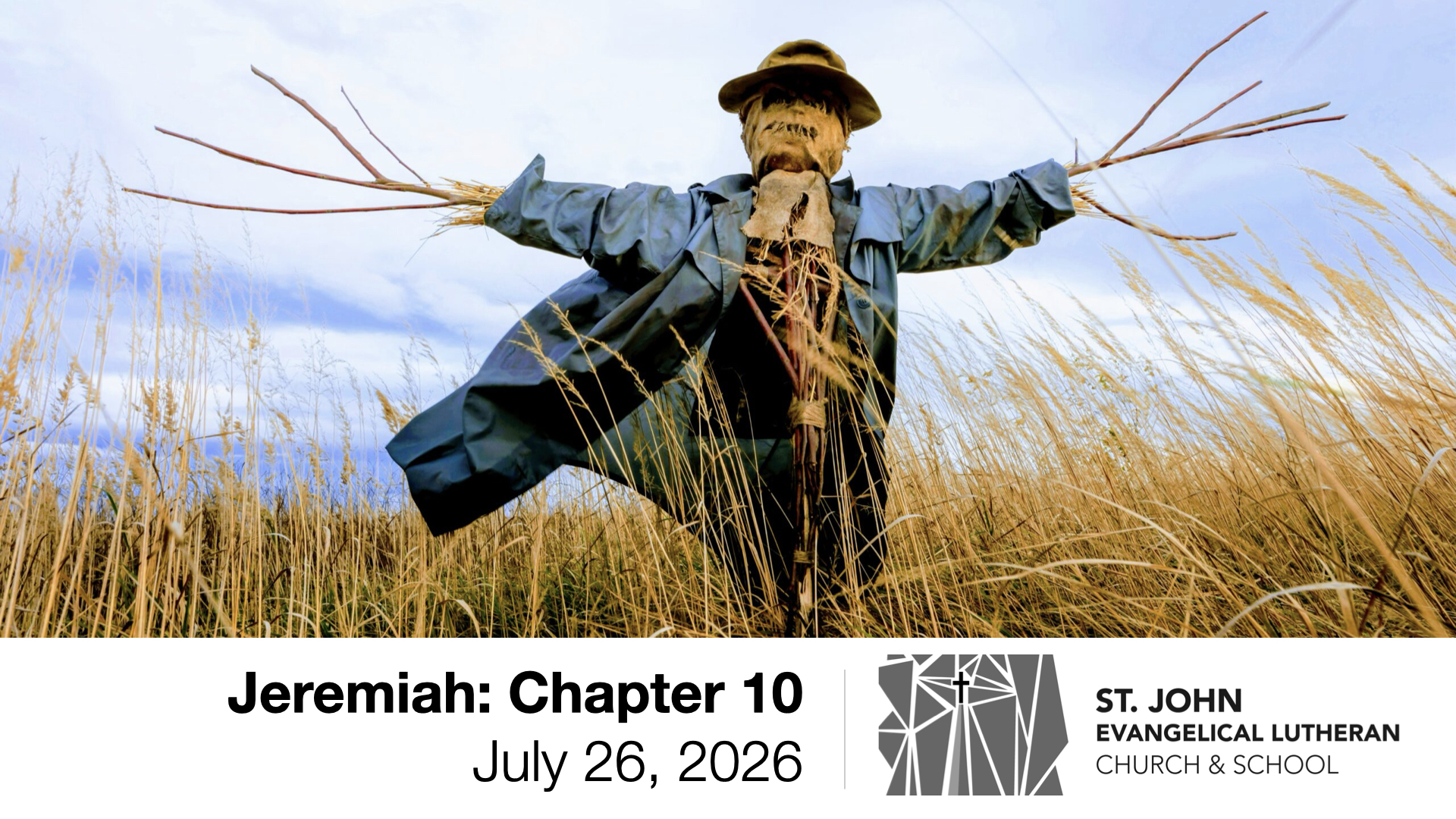
Jeremiah Chapter 10

This week's class takes up Jeremiah 10, the prophet's longest satire on idols: a god cut from a tree, dressed in silver, nailed down so it will not topple (Jer. 10:4), a scarecrow in a cucumber field, carried because it cannot walk. Over against it stands the true God, the living God and the everlasting King (Jer. 10:10), who needs no carrying but carries His people (Isa. 46:3–7). Which direction the carrying runs is the whole difference between idolatry and the Gospel.

Cover image for Jeremiah Chapter 10

They Kept the Husk and Threw the Kernel Away

On the Sabbath, the Pharisees found a rule to keep and lost the mercy it was meant to carry — husk without kernel. James diagnoses the same disease in the church: zeal that hides self-seeking envy. Christ, the One greater than the temple, was Himself crushed like the grain, so that guilty husk-keepers might be fed with mercy instead of judged by the letter.

Cover image for They Kept the Husk and Threw the Kernel Away

You Have Come from Afar

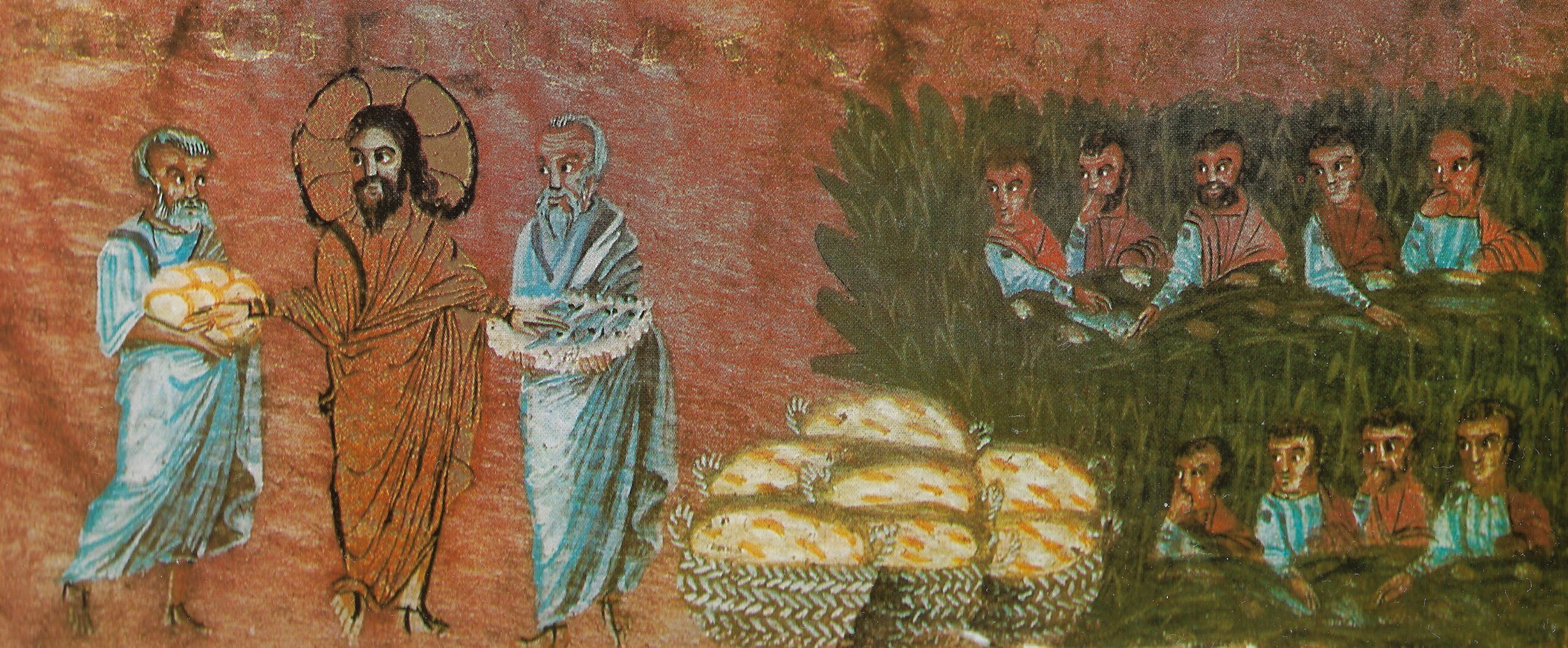
The four thousand Jesus feeds in Mark 8 are Gentiles — outsiders with no claim on the God of Israel. Paul says the same of us: once strangers, far off, until brought near by the blood of Christ. What Christ did on that Gentile shore, He does again in the Sacrament, filling those who have no right to the table with more than enough.

Cover image for You Have Come from Afar

Jeremiah Chapter 9

This week's class takes up Jeremiah 9, where the prophet names the root sickness twice — **"they do not know Me"** (Jer. 9:3, 9:6) — and hands us the one boast that survives it: **"that he understands and knows Me"** (Jer. 9:24). Paul later routes the whole Gospel through that verse: no flesh may boast, unless it boasts in the Lord (1 Cor. 1:31).

Cover image for Jeremiah Chapter 9

He Crossed the Water for This

The Gerasene demoniac was a man no one could bind. James names the wisdom that builds a life like that: earthly, unspiritual, demonic, breeding envy and self-seeking until it makes "every evil thing." Then Jesus crosses the sea to unclean pagan ground for this one man, and with a single word, "Come out," He drowns Legion under the water. The man is left sitting, clothed, in his right mind. That is his Baptism, and ours, where the same word of Christ still drowns what binds us and seats us at His table.

Cover image for He Crossed the Water for This

Jeremiah Chapter 8

Jeremiah 8 is a chapter of missed chances. Judah will not turn back — the stork in the sky knows her seasons, but God's people do not know the time of the LORD's judgment — and the prophets cry 'Peace, peace' where there is no peace. 'The harvest is past, the summer is ended, and we are not saved.' And then the ache that gives the chapter its name: 'Is there no balm in Gilead? Is there no physician there?' — a question the whole Gospel rises up to answer.

Cover image for Jeremiah Chapter 8

Christ's clean heart is reckoned to you

Jesus stops the worshiper at the altar: first be reconciled to your brother. The Fifth Commandment reaches the heart — anger, 'Raca,' the grudge nursed since Easter — so no one comes with clean hands, and God will not accept half a sacrifice. But this altar faces the other way: God left His throne and reconciled us by Christ's blood while we were still His enemies. So the righteousness that exceeds the scribes and Pharisees is not one we scrub up in ourselves

Cover image for Christ's clean heart is reckoned to you

Jeremiah Chapter 7 Bible Study — July 5, 2026

This Sunday Jeremiah stands in the gate of the temple and preaches against the one thing Judah trusted most — the building itself. "The temple of the LORD, the temple of the LORD," they chanted, certain God would never let His own house fall, even while they stole, murdered, and burned incense to Baal. But the house is no shelter for the people who profane it. The Lord names what it has become — a den of robbers — the very words Jesus would carry into that same temple, overturning the tables and driving out those who had made His Father's house a market.

Cover image for Jeremiah Chapter 7 Bible Study — July 5, 2026

The freedom no country can give you

Beneath all our Fourth-of-July talk of freedom lies a deeper freedom no fireworks can give and no tyrant can take away. Out on the open sea Simon Peter thought himself free — his own boat, his own water, his own catch, answerable to no one — and pulled up empty nets all night long. Then Christ climbs uninvited into the boat, the nets tear with the catch, and Peter falls down terrified: "Depart from me, for I am a sinful man." The Lord does the one thing the open sea never can: He does not depart, but catches the sinner alive — "Do not be afraid. From now on you will catch men."

Cover image for The freedom no country can give you

Clouds Without Water

St. Jude will not let us grow comfortable: the Lord saved a people out of Egypt and then destroyed those who would not believe. Faith can die, and a baptized man can become a cloud without water — all the look of a Christian with no rain in him. But the same Lord who judged the unbelieving in the wilderness comes down the mountain to a demon-tormented boy and a father who can barely pray, and He is faithful where our faith is little. Our safety is not the strength of our grip on Christ but His grip on us.

Cover image for Clouds Without Water